
Quiet Tourism Destinations – Why Travelers Are Seeking Peaceful Places Away From Crowds and Noise
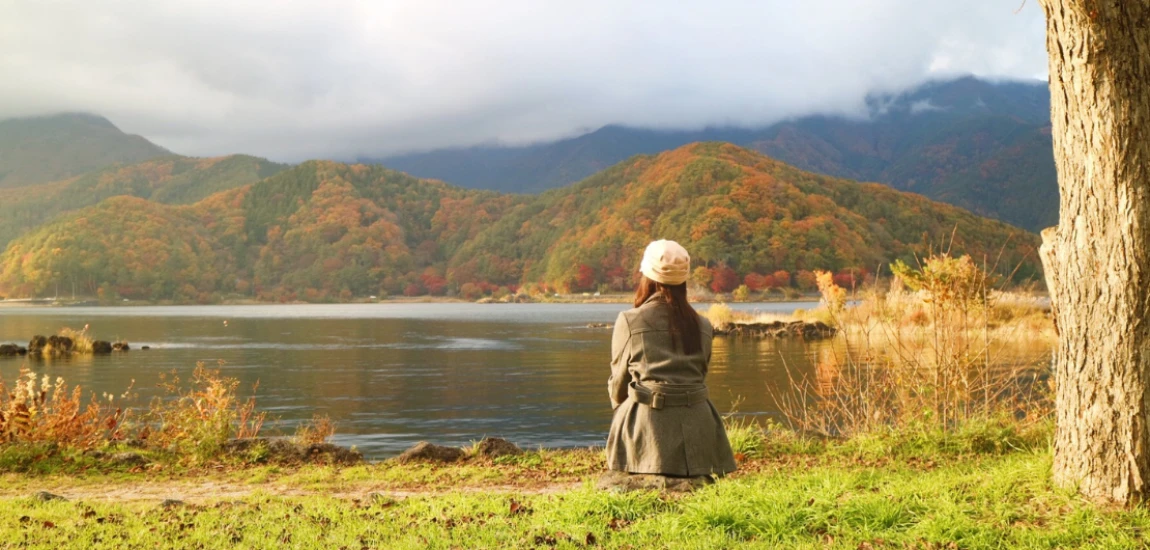
Modern tourism has traditionally focused on famous landmarks, busy city centers, major attractions, and destinations capable of attracting millions of visitors. Social media has intensified this trend by encouraging travelers to visit places that are highly photographed and widely recognized. However, another travel movement is developing alongside traditional tourism: the growing desire to escape crowds, noise, congestion, and constant stimulation.
This shift is creating greater interest in Quiet Tourism Destinations, where travelers can enjoy peaceful surroundings, slower experiences, natural landscapes, and a stronger sense of personal space. Instead of asking how many attractions they can visit, travelers are increasingly asking how a destination makes them feel.
Quiet tourism does not necessarily mean traveling to an isolated location with absolutely nothing to do. A peaceful destination can be a small coastal village, a forest retreat, a quiet mountain town, a rural community, a low-density island, or even a less crowded neighborhood within a major city. What connects these places is their ability to offer visitors an escape from excessive noise, crowds, and fast-paced tourism.
The growing interest in quiet travel is also connected with slow tourism, mindful travel, nature-based tourism, wellness travel, restorative travel, and low-stimulation experiences. Travelers may want to read beside a lake, walk through a forest, enjoy a quiet meal, explore a small cultural community, or simply spend several hours without following a demanding itinerary.
For destinations, this trend creates an opportunity to rethink tourism development. Instead of competing only to attract more visitors, destinations can develop experiences that prioritize quality, comfort, environmental protection, local communities, and emotional well-being.
Why Travelers Are Searching for Quiet Tourism Destinations

Escaping Everyday Noise and Pressure
Daily life in many urban environments can involve traffic, construction, crowded public spaces, digital notifications, demanding work schedules, and constant communication. Travel is often seen as an opportunity to step away from this environment, yet popular tourist destinations can sometimes recreate the same pressures.
Busy attractions, crowded public transportation, long queues, loud entertainment districts, and congested streets can make vacations feel surprisingly stressful.
Quiet tourism offers an alternative. Travelers can deliberately choose destinations where the pace is slower and public spaces are less crowded. The goal is not necessarily complete isolation but a reduction in unnecessary stimulation.
A quiet environment can give travelers more opportunities to notice their surroundings. Instead of rushing from one attraction to another, they can appreciate landscapes, architecture, food, sounds, and local interactions at a slower pace.
This can change the emotional character of a trip. A vacation becomes less about escaping into another busy environment and more about creating genuine space for rest.
The Search for Personal Space
Personal space has become increasingly valuable to modern travelers. Visitors may prefer smaller hotels, private accommodation, uncrowded beaches, quiet walking routes, and less congested attractions.
This does not mean travelers dislike social interaction. Many still want meaningful conversations and cultural experiences. However, they may prefer choosing when and where those interactions happen.
Quiet tourism allows travelers to control the intensity of their experience. They can spend the morning exploring a local community, enjoy lunch at a small restaurant, and then retreat to a peaceful natural setting.
Moving Beyond Conventional Tourism
Traditional tourism often encourages visitors to follow a list of famous attractions. Quiet tourism changes the focus toward atmosphere and experience.
A small village may not have dozens of major landmarks, but it could offer beautiful walking routes, traditional food, local crafts, natural scenery, and authentic interactions.
This encourages travelers to value the overall feeling of a destination rather than simply counting attractions.
The Connection Between Quiet Travel and Well-Being

Creating Opportunities for Mental Rest
Quiet environments can create opportunities for travelers to slow down and take a break from constant stimulation. A peaceful natural setting can encourage visitors to spend time walking, reading, observing, or simply sitting without a demanding schedule.
This is one reason quiet tourism overlaps with wellness tourism. Travelers increasingly recognize that a successful vacation does not have to be exhausting.
A restorative journey can involve fewer activities but deeper experiences. Instead of trying to maximize every hour, visitors can create space for rest and reflection.
This approach can also make travel feel more sustainable from a personal perspective. Travelers return home with memories of meaningful experiences rather than memories of rushing between reservations.
Reducing Sensory Overload
Crowded destinations can expose visitors to continuous noise, bright lights, traffic, large groups, and unpredictable movement. Some travelers find this exciting, but others may find it overwhelming.
Quiet tourism destinations can provide low-stimulation alternatives. Nature trails, gardens, peaceful waterfronts, rural landscapes, quiet museums, libraries, and small cultural venues can offer environments where visitors can slow down.
Destination planners can support this by creating designated quiet areas and providing clear information about crowd levels.
The idea is not to eliminate energy from tourism. Instead, destinations can provide different levels of stimulation so travelers can choose what feels comfortable.
Supporting Slow and Mindful Travel
Quiet travel naturally complements slow tourism. Visitors may spend several days in one destination rather than constantly moving between locations.
This allows travelers to understand local life more deeply. They might visit the same café more than once, walk the same neighborhood at different times, learn about local traditions, or build relationships with community members.
Slow travel can make a destination feel less like a checklist and more like a place to experience.
Nature as the Foundation of Quiet Tourism

Forests, Mountains, and Coastal Landscapes
Natural environments are among the most valuable assets for quiet tourism. Forests, mountains, lakes, rivers, beaches, wetlands, and rural landscapes can create peaceful settings away from heavily developed tourism zones.
Nature-based destinations can offer activities that do not depend on crowds. Hiking, birdwatching, photography, stargazing, fishing, nature walks, and scenic observation can all be organized at relatively low intensity.
Travelers can experience these environments without needing large entertainment complexes or crowded attractions.
Designing Nature Experiences Responsibly
The growing popularity of peaceful natural destinations also creates risks. If too many travelers discover a previously quiet location, the destination can quickly become overcrowded.
Responsible destination management is therefore essential.
Authorities can introduce visitor limits, designated trails, seasonal access rules, environmental education, and careful infrastructure planning.
Quiet tourism should not simply redirect mass tourism toward fragile natural areas. Its purpose should be to create lower-impact experiences that protect the qualities that make a place attractive.
The Value of Silence and Natural Sound
Sound can be an important part of destination identity. The sound of waves, birds, wind through trees, flowing water, or distant wildlife can contribute to the sense of peace travelers seek.
Destinations can protect these soundscapes by controlling unnecessary traffic, limiting excessive amplified music in sensitive areas, and designing pedestrian-friendly environments.
Sound-conscious tourism could become an increasingly interesting element of destination design.
Rather than treating silence as an absence of entertainment, destinations can present natural sound as an experience in itself.
How Destinations Can Create Quieter Travel Experiences

Managing Visitor Crowds
Crowd management is one of the most important components of quiet tourism. Destinations can distribute visitors across different locations and times rather than allowing everyone to gather around the same attractions.
Timed-entry systems, alternative routes, less-promoted attractions, neighborhood tourism, and off-season experiences can help reduce pressure.
Real-time visitor information can also help. Tourism platforms could inform travelers when an attraction is particularly crowded and suggest nearby alternatives.
This creates a more comfortable visitor experience while helping destinations manage tourism more effectively.
Developing Quiet Zones
Cities and resorts can create designated areas where visitors can enjoy lower levels of noise and activity.
Quiet zones could include parks, gardens, waterfront promenades, cultural spaces, walking paths, reading areas, and wellness environments.
Hotels can introduce similar spaces through quiet lounges, rooftop gardens, meditation rooms, libraries, and peaceful outdoor areas.
These spaces give travelers an opportunity to change the intensity of their experience without leaving the destination entirely.
Rethinking Urban Tourism
Quiet tourism is not limited to rural destinations. Large cities can also create peaceful tourism experiences.
Urban planners can develop pedestrian streets, green corridors, pocket parks, car-free areas, shaded walking routes, and quieter cultural districts.
A visitor exploring a large city could therefore experience both its energy and its peaceful side.
The future of urban tourism may depend partly on this balance. Travelers do not necessarily want cities to become silent; they want the ability to escape excessive noise when needed.


Kate McCulley, the voice behind "Adventurous Kate," provides travel advice tailored for women. Her blog encourages safe and adventurous travel for female readers.
Kate McCulley

Prev Post

Next Post