
Post-Overtourism Destination Design – How Popular Places Could Redesign Tourism Around Quality, Balance, and Local Life
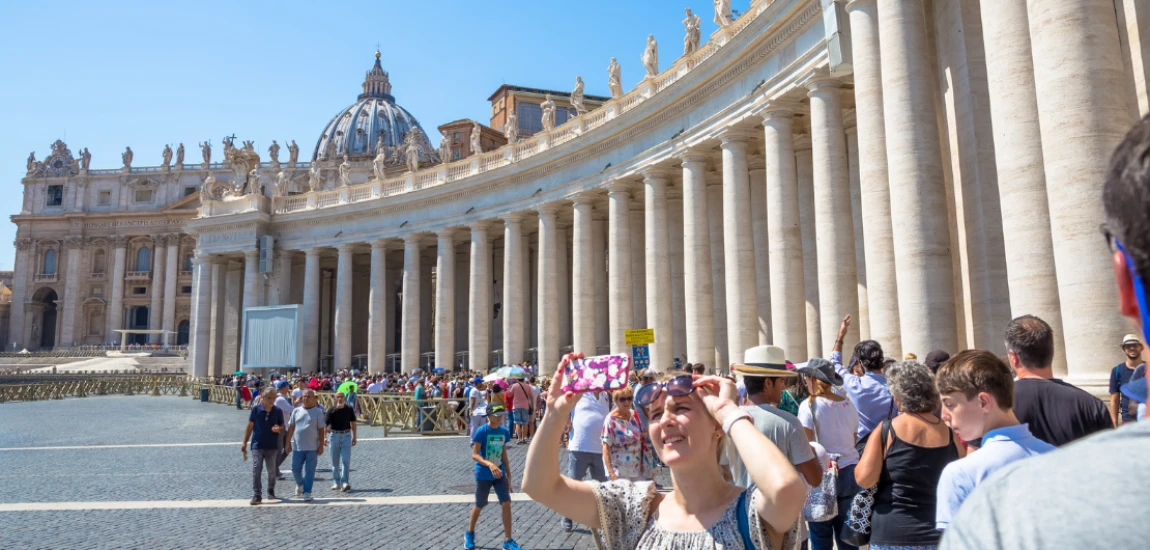
For many years, tourism success was measured by one simple question: How many visitors can a destination attract? More arrivals often meant more hotel bookings, restaurant sales, transportation demand, employment, and tourism revenue. But as global travel expanded, many popular destinations discovered that unlimited visitor growth can create serious challenges.
Overtourism can produce crowded streets, overloaded transportation, rising housing costs, pressure on natural resources, noise, waste, damaged heritage sites, and frustration among residents. Visitors can also suffer when famous attractions become so crowded that the experience no longer matches their expectations.
This has created the need for a different approach: Post-Overtourism Destination Design.
Rather than asking how destinations can attract more people, post-overtourism planning asks how destinations can create better experiences while protecting local quality of life. The focus shifts from volume to value, from concentration to distribution, and from short-term visitor growth to long-term destination resilience.
Future tourism destinations could use timed entry, visitor-capacity planning, neighborhood tourism, dynamic pricing, improved public transportation, local business support, and real-time visitor data to manage demand. Instead of directing everyone toward the same famous attraction, tourism systems could encourage travelers to explore lesser-known neighborhoods, regional towns, cultural experiences, parks, markets, and local businesses.
The goal is not necessarily to stop tourism. Tourism provides important economic opportunities for many communities. The challenge is to redesign it so that visitors and residents can coexist more comfortably.
Post-overtourism destination design therefore represents a shift toward quality, balance, local life, sustainability, and thoughtful visitor management.
Understanding Post-Overtourism Destination Design

Moving Beyond Visitor Numbers
Post-overtourism destination design begins by questioning the assumption that more visitors automatically mean better tourism.
A destination may receive millions of visitors yet struggle with congestion, environmental damage, infrastructure pressure, and resident dissatisfaction. Meanwhile, a destination with fewer visitors but longer stays, higher local spending, and stronger community benefits may generate greater long-term value.
This means tourism performance needs to be measured differently.
Destinations can consider indicators such as visitor satisfaction, resident satisfaction, average length of stay, local economic benefits, environmental pressure, public-space quality, and cultural preservation.
Designing for Quality Instead of Quantity
Quality tourism focuses on creating meaningful experiences rather than maximizing visitor volume.
A traveler who stays for several days, uses local transportation, eats at community-owned restaurants, visits smaller attractions, and participates in cultural experiences may contribute more to the local economy than a short-term visitor who arrives for one famous landmark and leaves.
Destination design can encourage these longer and deeper stays through diverse experiences and better connections between tourism areas.
Making Local Life Part of Tourism Planning
Residents should not be treated as an afterthought.
A destination is not simply a tourism product. It is a place where people live, work, raise families, operate businesses, and maintain cultural traditions.
Tourism planning should therefore consider housing, transportation, public spaces, noise, waste, infrastructure, and access to community services.
A successful post-overtourism destination should remain a good place to live even when tourism demand is high.
Redistributing Visitors Beyond Famous Attractions

Creating Multiple Tourism Centers
One of the biggest causes of overtourism is concentration.
A city may have hundreds of attractions, but visitors often gather around a small number of famous landmarks.
Destinations can address this by developing multiple tourism centers throughout the wider area.
Neighborhood markets, local museums, parks, craft districts, food streets, cultural centers, waterfronts, and community events can become part of broader visitor itineraries.
This creates a more balanced tourism geography.
Promoting Lesser-Known Experiences
Digital travel platforms can help travelers discover alternatives to overcrowded attractions.
Instead of repeatedly recommending the same famous landmark, intelligent tourism systems could suggest experiences based on interests, location, availability, and current visitor density.
A traveler interested in food could be directed toward a local culinary district. Someone interested in architecture might explore a historic neighborhood away from the main tourist zone.
This can reduce pressure while creating new economic opportunities.
Connecting Tourism Areas With Better Mobility
Visitor redistribution only works when travelers can easily reach alternative areas.
Reliable buses, trains, cycling routes, pedestrian paths, shared transportation, and clear wayfinding can connect different parts of a destination.
Transportation planning should therefore be closely connected to tourism planning.
When mobility is convenient, travelers are more likely to explore beyond the central attraction zone.
Designing Tourism Around Local Quality of Life

Protecting Residential Neighborhoods
Overtourism can place significant pressure on residential areas.
Large numbers of visitors can create noise, traffic, waste, short-term rental pressure, and reduced access to public spaces.
Post-overtourism destination design should establish clear boundaries between tourism activity and residential needs where appropriate.
Policies around accommodation, tour buses, visitor groups, nightlife, and public-space use can help maintain neighborhood livability.
Supporting Local Businesses
Tourism can become more valuable to communities when visitor spending reaches locally owned businesses.
Destinations can promote independent restaurants, family-owned shops, local guides, artisans, farmers, cultural organizations, and community-based tourism operators.
This creates a stronger economic connection between tourism and local life.
Visitors should have opportunities to spend money within the communities they are visiting rather than relying exclusively on large tourism chains.
Preserving Everyday Culture
One of the risks of overtourism is that everyday community life can become transformed into a performance for visitors.
Local traditions, markets, food, festivals, and public spaces may lose their original function when tourism becomes dominant.
Responsible destination design should protect the right of communities to maintain cultural practices for themselves.
Tourism can observe and participate where appropriate, but local identity should not be sacrificed to visitor demand.
Using Smart Technology to Manage Visitor Pressure

Real-Time Crowd Monitoring
Technology can help destinations understand where visitors are gathering.
Sensors, ticketing systems, transportation data, anonymized mobility patterns, and attraction reservations can provide information about visitor density.
Destination managers could use this information to identify crowded areas and redirect visitors toward alternatives.
This creates a more responsive approach than relying entirely on historical tourism statistics.
Timed Entry and Dynamic Management
Popular attractions can use timed entry systems to distribute visitors throughout the day.
Instead of allowing everyone to arrive simultaneously, reservations can create more predictable visitor flows.
Dynamic management can also respond to weather, events, transportation disruptions, or unexpected increases in demand.
The objective is not simply to restrict people but to create a smoother experience for both visitors and residents.
Personalized Visitor Recommendations
AI-powered tourism platforms could potentially use real-time conditions to recommend less crowded experiences.
A traveler could receive suggestions based on interests, location, opening hours, current crowd levels, and available transportation.
This makes visitor redistribution more personalized.
Instead of telling everyone to visit the same “alternative attraction,” the system could provide different options for different travelers.


Gary Arndt operates "Everything Everywhere," a blog focusing on worldwide travel. An award-winning photographer, Gary shares stunning visuals alongside his travel tales.
Gary Arndt
Prev Post

Next Post