
Heritage Skills Tourism – How Traditional Crafts, Farming, Cooking, and Construction Could Become Immersive Travel Experiences
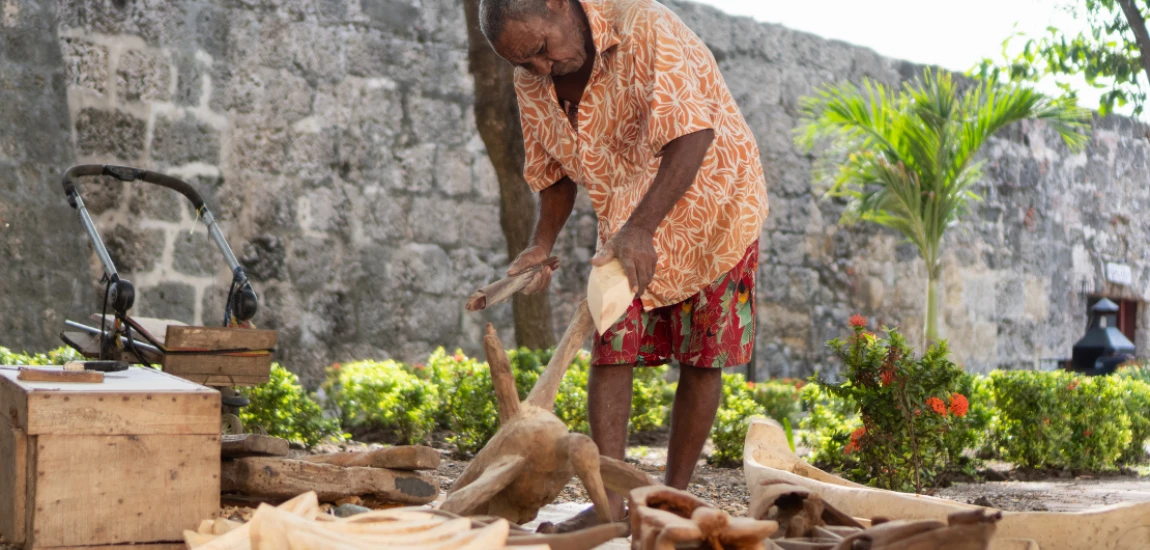
Travel has traditionally been associated with visiting famous landmarks, photographing historic buildings, tasting local food, and exploring scenic destinations. Yet some of the most valuable parts of a culture cannot be found inside a museum. They exist in the skills people practice every day: weaving textiles, shaping wood, preparing traditional dishes, cultivating crops, building homes, making pottery, preserving food, and passing knowledge from one generation to the next.
This creates an exciting opportunity for Heritage Skills Tourism, a form of immersive cultural travel that allows visitors to learn directly from the people who maintain traditional knowledge and practical skills. Instead of simply observing cultural heritage, travelers can participate in carefully designed experiences where they learn how things are made, grown, cooked, repaired, or constructed.
Heritage skills tourism can provide meaningful experiences while creating economic opportunities for craftspeople, farmers, cooks, builders, artists, and community organizations. It can also contribute to the preservation of traditional knowledge that might otherwise disappear as younger generations move toward different occupations and lifestyles.
The concept is particularly relevant to the future of sustainable tourism. Travelers increasingly want authentic experiences that connect them with local communities rather than simply visiting crowded attractions. Learning a traditional skill can create a deeper relationship with a destination because visitors understand the work, knowledge, history, and environment behind everyday cultural practices.
However, heritage skills tourism should be developed responsibly. Traditional knowledge should not be treated as a commodity without community consent. Local practitioners should receive fair compensation, cultural boundaries should be respected, and tourism activities should support rather than disrupt traditional practices.
When designed with communities, heritage skills tourism can transform ordinary activities into meaningful educational experiences while helping keep living heritage alive.
Understanding Heritage Skills Tourism

What Is Heritage Skills Tourism?
Heritage Skills Tourism focuses on travel experiences built around traditional knowledge and practical skills. These may include pottery, weaving, embroidery, woodworking, metalworking, farming, fishing, food preparation, natural dyeing, traditional architecture, and other locally significant practices.
Rather than simply watching a demonstration, travelers can participate in workshops, guided sessions, farm activities, cooking experiences, or community projects.
The educational element is central. Visitors learn from practitioners who possess knowledge developed through years of experience.
This makes the experience different from conventional sightseeing. Travelers are not simply looking at an object or building; they are discovering the process behind it.
Why Living Skills Matter
Cultural heritage is often associated with monuments, historic sites, and artifacts. However, knowledge and skills are equally important.
A traditional textile is valuable, but understanding how the fibers are prepared, colors are produced, patterns are created, and techniques are passed between generations provides a much deeper cultural perspective.
The same applies to traditional food, farming, and construction.
Skills represent living connections between people, environments, histories, and communities.
Creating Meaningful Cultural Connections
Participating in a traditional activity can encourage travelers to slow down and interact directly with local people.
A visitor learning to make pottery may discover why particular clay is used. Someone participating in traditional farming may learn how local weather and soil influence crops. A cooking workshop may reveal how recipes developed through generations.
These experiences can make cultural travel more personal and memorable.
Traditional Crafts as Immersive Travel Experiences

Learning From Local Artisans
Traditional crafts offer some of the strongest opportunities for heritage skills tourism.
Travelers can participate in weaving, pottery, basket-making, carving, embroidery, ceramics, leatherwork, jewelry-making, or other locally important crafts.
The experience should be led by skilled local practitioners who can explain the cultural and practical significance of the craft.
Visitors may create a small object themselves, but the real value lies in understanding the knowledge behind the process.
Understanding Materials and Techniques
Craft workshops can teach travelers where materials come from and how they are prepared.
A weaving experience could introduce natural fibers and traditional patterns. A pottery workshop might explain local clay and firing methods. Woodworking could demonstrate how local timber is selected and shaped.
This creates an environmental and cultural connection.
Travelers begin to understand that traditional objects are not simply souvenirs. They are products of local ecosystems, knowledge, creativity, and labor.
Supporting Craft Economies
Tourism can provide additional income for artisans when experiences are fairly structured.
Visitors may pay for workshops, purchase locally made products, or support cooperative craft centers.
This can help traditional crafts remain economically viable.
However, mass production and imitation products can undermine artisan livelihoods. Heritage skills tourism should therefore emphasize authentic, fairly compensated local production rather than cheap replicas.
Farming and Agricultural Heritage Tourism

Experiencing Traditional Farming
Agriculture is deeply connected to culture. Farming practices influence food, festivals, landscapes, family traditions, and local economies.
Travelers can participate in seasonal farming activities such as planting, harvesting, preparing soil, caring for animals, or learning traditional irrigation methods.
These experiences can help visitors understand where local food comes from and how communities have adapted agriculture to their environments.
Learning About Local Food Systems
Farm-based tourism can connect travelers with regional food traditions.
Visitors may learn about heritage crops, traditional preservation techniques, local spices, seed varieties, or sustainable agricultural practices.
A simple farm experience can become an educational journey through ecology, history, and cuisine.
This can also encourage travelers to value local food systems rather than viewing food as something disconnected from its origins.
Supporting Rural Communities
Agricultural tourism can diversify rural income.
Farmers can earn additional revenue by offering workshops, farm tours, meals, accommodation, or seasonal experiences.
This can create incentives to maintain traditional agricultural landscapes and knowledge.
When managed carefully, tourism can complement farming rather than replacing it. Visitor activities should fit within agricultural operations and respect the needs of farmers and local ecosystems.
Traditional Cooking as Cultural Heritage Tourism

Learning Authentic Local Recipes
Food is one of the most accessible ways for travelers to connect with culture.
Cooking workshops can teach visitors how traditional meals are prepared, including ingredient selection, preparation methods, cooking techniques, and serving traditions.
The experience becomes much more meaningful when local cooks explain the history behind the recipes.
Travelers may discover that a dish reflects migration, climate, agriculture, religion, trade, family traditions, or historical events.
Exploring Traditional Ingredients
Cooking tourism can also introduce travelers to ingredients they may never encounter at home.
Visitors might learn about local grains, herbs, fruits, vegetables, spices, fermented foods, or traditional cooking oils.
A market visit followed by a cooking class can create a complete food heritage experience.
Travelers can learn how ingredients are selected and why particular combinations are important to local cuisine.
Preserving Culinary Knowledge
Traditional recipes can disappear when younger generations stop preparing them.
Tourism can provide an economic reason to preserve culinary skills.
If local cooks can earn income through workshops, food tours, community restaurants, and cultural events, traditional cuisine may remain economically relevant.
The goal should not be to freeze cuisine in the past. Traditional food can evolve naturally while retaining important cultural techniques and knowledge.


Operating "The Blonde Abroad," Kiersten Rich specializes in solo female travel. Her blog provides destination guides, packing tips, and travel resources.
Kiersten Rich

Prev Post

Next Post