
Mindful Travel: How Slower Journeys Can Improve Well-Being and Create Deeper Experiences
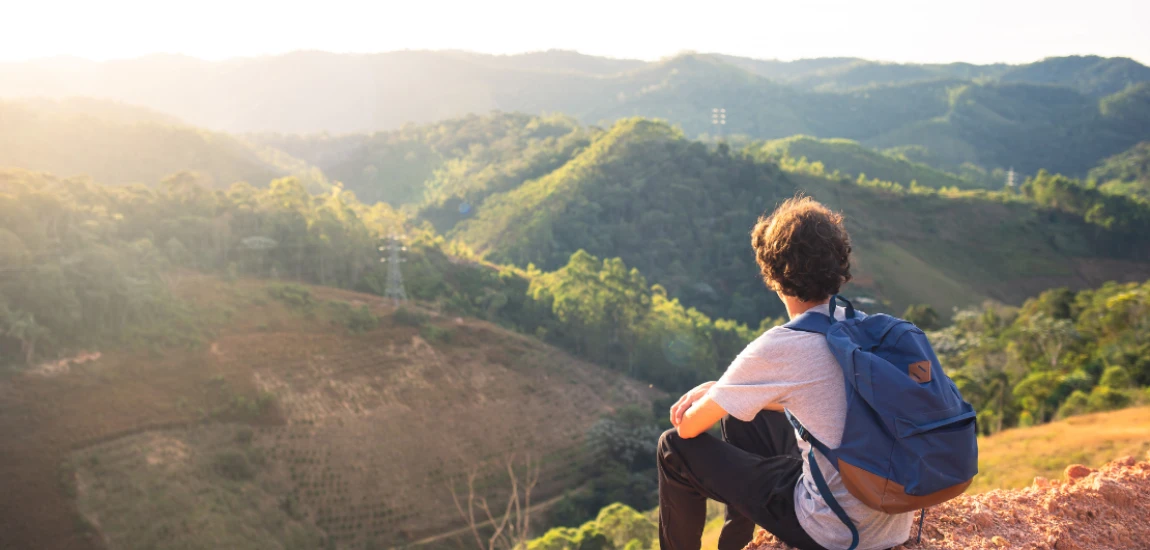
Travel is often associated with excitement, discovery, and escape. Yet modern tourism can sometimes feel surprisingly exhausting. Tight schedules, crowded attractions, long transportation connections, constant photography, digital notifications, and the pressure to experience everything can turn a vacation into another demanding routine. Instead of returning home refreshed, travelers may find themselves needing a break from their break.
This is where mindful travel offers a different perspective. Rather than focusing on how many destinations can be visited in a limited amount of time, mindful travel encourages people to pay attention to the quality of the journey. It is about slowing down, being present, appreciating surroundings, connecting with people, and allowing experiences to unfold naturally.
Slower travel can also support personal well-being. Spending more time in one destination can reduce transportation stress, encourage deeper cultural experiences, and create opportunities for rest and reflection. Instead of rushing from one attraction to another, travelers can notice small details: the sound of a local market, the taste of a traditional meal, the rhythm of neighborhood life, or the changing landscape outside a train window.
As interest in wellness travel, slow tourism, meaningful travel, and experiential tourism continues to grow, mindful travel provides an approach that can make journeys more rewarding for both travelers and destinations.
What Is Mindful Travel?

Traveling With Greater Awareness
Mindful travel means approaching a journey with greater awareness of the present moment. Rather than constantly thinking about the next activity, travelers give themselves permission to experience where they are right now.
This could mean sitting quietly in a public garden, enjoying breakfast without checking a phone, walking through a neighborhood without rushing, or spending time observing local life. These simple activities can become meaningful experiences when travelers are fully engaged with them.
Mindfulness does not require a complicated routine. It is primarily an attitude toward travel. The objective is to replace constant rushing with curiosity, attention, and appreciation.
Moving Beyond the Tourism Checklist
Traditional travel planning can sometimes become a checklist of attractions. Travelers may feel that they have failed if they do not visit every famous landmark, restaurant, museum, or viewpoint.
Mindful travel challenges this mindset. Visiting fewer places can actually lead to richer experiences because travelers have more time to understand their surroundings.
Instead of asking, “How much can I see?” mindful travelers can ask, “What can I experience deeply?”
This shift can reduce travel pressure while creating opportunities for spontaneous discoveries.
Making Space for Personal Reflection
Travel naturally creates opportunities to step outside familiar routines. Mindful journeys use this change of environment as an opportunity for reflection.
A quiet walk, scenic train ride, peaceful morning, or conversation with a local resident can encourage travelers to think differently about their priorities and everyday lives. The journey becomes more than physical movement; it becomes a chance to reconnect with oneself.
How Slower Journeys Support Well-Being

Reducing Travel-Related Stress
Fast-paced itineraries often involve constant packing, unpacking, transportation, navigation, and time management. Although each activity may seem manageable individually, together they can create mental fatigue.
Slow travel reduces this pressure by allowing travelers to stay longer in fewer destinations. Having fewer scheduled activities creates breathing room between experiences.
A slower itinerary can also make unexpected changes easier to handle. If a train is delayed or the weather changes, travelers with flexible schedules are less likely to feel that their entire trip has been ruined.
Creating Opportunities for Rest
Well-being requires rest, but travelers sometimes treat rest as something that happens only after all attractions have been visited.
Mindful travel reverses this idea. Rest becomes part of the itinerary rather than an interruption.
A slow morning at a café, an afternoon reading near the water, or an evening walk can provide valuable recovery time. These moments may not produce the most impressive social media photographs, but they can become some of the most memorable parts of a journey.
Reconnecting With the Present Moment
Everyday life can involve multitasking and constant digital stimulation. Travel can either increase this stimulation or provide an opportunity to step away from it.
Mindful travelers can intentionally reduce screen time, silence unnecessary notifications, and spend periods of the day without documenting everything.
Being present allows travelers to notice sensory details and emotional responses that might otherwise be overlooked. This can make the journey feel more immersive and personally meaningful.
Why Slow Travel Creates Deeper Experiences

Spending More Time in One Place
Staying longer in a destination allows travelers to move beyond its most recognizable attractions. After several days, visitors may begin to understand the rhythm of a neighborhood, discover independent businesses, recognize familiar streets, and interact with residents more naturally.
This creates a stronger sense of place.
Rather than collecting destinations, travelers begin to build relationships with them. A small bakery visited each morning or a local park explored repeatedly can become more meaningful than a long list of attractions visited once.
Discovering Everyday Local Life
Authentic travel experiences are not always found at major tourist attractions. They can exist in ordinary moments: shopping at a local market, taking public transportation, eating a family-style meal, attending a community event, or walking through a residential neighborhood.
Slow tourism creates the time needed to experience these moments.
Travelers can observe how people live rather than simply observing what has been prepared for tourists. This can encourage greater cultural understanding and respect.
Allowing Spontaneous Experiences
Overly structured itineraries leave little room for unexpected discoveries. A traveler rushing toward the next scheduled activity may walk past an interesting bookstore, local festival, scenic trail, or small restaurant without stopping.
Slower journeys create flexibility.
Leaving some time unscheduled allows travelers to follow curiosity. These unplanned experiences can become the stories they remember most clearly after returning home.
Mindful Travel and Cultural Connection

Learning From Local Communities
Meaningful cultural experiences require time and openness. Mindful travelers approach local communities as people to learn from rather than attractions to consume.
Learning a few local phrases, understanding cultural etiquette, asking respectful questions, and listening to local stories can make interactions more meaningful.
Travelers should also recognize that they are guests in someone else's home environment. Respecting local customs is essential to responsible and mindful tourism.
Supporting Local Businesses
Mindful travel can also strengthen local economies. Travelers can choose locally owned accommodations, restaurants, independent shops, community-based tours, and local transportation services.
Spending directly with local businesses helps keep more tourism revenue within the destination. It can also create more personal interactions between travelers and residents.
Instead of purchasing mass-produced souvenirs, visitors can look for locally made crafts, regional foods, and products that reflect the destination's cultural identity.
Respecting Authenticity
Travelers should avoid expecting communities to perform culture solely for visitors. Cultural traditions deserve respect even when they are not packaged as tourist experiences.
Mindful tourism recognizes that authentic cultural exchange is based on mutual respect. Visitors can observe, listen, learn, and participate appropriately without demanding access to every aspect of local life.


Derek Baron, also known as "Wandering Earl," offers an authentic look at long-term travel. His blog contains travel stories, tips, and the realities of a nomadic lifestyle.
Derek Baron

Prev Post

Next Post