
Climate-Smart Destinations: How Cities and Resorts Are Reengineering Tourism Around Heat, Water, and Resource Security
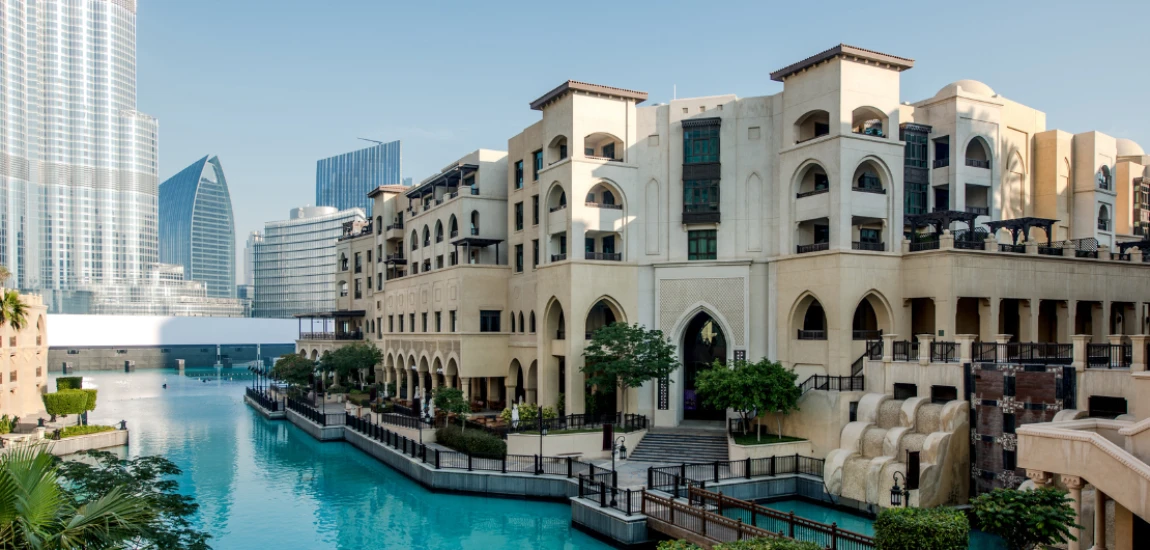
Tourism has always depended on the natural and built environments of destinations. People travel to beaches, mountains, historic cities, forests, islands, and resorts because of the experiences these places provide. But climate change is increasingly challenging the conditions that make many destinations attractive and comfortable.
Rising temperatures, prolonged heatwaves, water shortages, extreme storms, droughts, wildfires, flooding, and pressure on energy systems are forcing tourism destinations to rethink how they operate. A resort that once relied on abundant water may face increasing shortages. A city designed for moderate temperatures may struggle during extreme heat. Coastal destinations may need to prepare for rising sea levels and stronger storms.
This is creating a new concept in tourism: climate-smart destinations.
Climate-smart tourism is not simply about reducing carbon emissions. It is also about preparing destinations for the environmental conditions they are likely to experience in the future. Cities and resorts are beginning to consider how buildings, transportation, water systems, energy infrastructure, public spaces, landscaping, and tourism activities can become more resilient.
The goal is to create destinations that remain comfortable, functional, economically productive, and environmentally responsible even as climate conditions change.
For travelers, this could mean cooler public spaces, more reliable water systems, better-designed hotels, shaded attractions, resilient transportation, and safer tourism experiences.
For local communities, climate-smart planning can protect essential resources and reduce the risks associated with climate disruption.
The future of tourism may therefore depend not only on where people want to travel, but also on how prepared destinations are for the climate they will experience.
Why Climate-Smart Destinations Are Becoming Essential

Tourism is increasingly exposed to climate risks
Tourism is particularly sensitive to environmental change because many popular destinations depend on predictable weather and natural resources.
Beach tourism can be affected by coastal erosion and extreme storms. Mountain tourism can face changing snowfall patterns. Urban tourism can become uncomfortable during extreme heat. Island destinations may experience water shortages and rising climate-related infrastructure costs.
These challenges can affect both travelers and residents.
A destination that becomes too hot, experiences frequent water restrictions, or faces repeated infrastructure disruptions may become less attractive to visitors.
Climate-smart planning can help destinations prepare before these problems become severe.
Moving from reaction to preparation
Traditional tourism planning often responds to problems after they occur.
Climate-smart destination design takes a more proactive approach.
Cities and resorts can identify future risks and redesign infrastructure accordingly. This may include expanding shaded areas, improving drainage, diversifying water sources, protecting natural ecosystems, and strengthening energy systems.
Preparing early can be more effective than repeatedly repairing infrastructure after extreme events.
Protecting tourism and local communities together
Tourism should not be resilient at the expense of residents.
A hotel that secures its own water supply while surrounding communities experience shortages would create an unequal system.
Climate-smart tourism should therefore consider the entire destination.
Water, energy, transportation, housing, public spaces, and emergency systems should benefit both visitors and residents.
This creates a more balanced form of tourism resilience.
Reengineering Destinations for Extreme Heat

Designing cooler public spaces
Extreme heat is becoming an increasingly important tourism challenge.
Cities can respond by creating shaded streets, tree-lined walkways, cooling centers, water features, reflective surfaces, and comfortable public spaces.
Tourist attractions can also provide shaded waiting areas and rest zones.
These improvements can make destinations more comfortable while also improving everyday life for residents.
Rethinking hotel and resort design
Hotels and resorts can use climate-responsive architecture to reduce indoor heat.
Buildings can incorporate shading, insulation, natural ventilation, reflective materials, efficient cooling systems, green roofs, and strategically positioned windows.
Outdoor areas can use native trees and vegetation to create cooler environments.
Instead of depending entirely on mechanical air conditioning, climate-smart properties can combine technology with passive design.
This can improve comfort while reducing energy demand.
Changing tourism schedules
Climate adaptation can also influence when travelers participate in activities.
During extremely hot periods, destinations may encourage sightseeing during cooler morning and evening hours.
Outdoor attractions can provide flexible schedules, shaded routes, and heat-awareness information.
This represents an important change in tourism design: destinations begin adapting experiences to environmental conditions rather than expecting travelers to adapt completely to uncomfortable conditions.
Building Water-Secure Tourism Destinations

Reducing pressure on freshwater
Water is one of the most important resources for tourism.
Hotels use water for guest rooms, kitchens, laundry, swimming pools, landscaping, cleaning, and cooling.
Climate-smart destinations can reduce pressure through efficient fixtures, smart irrigation, water monitoring, rainwater collection, and responsible landscaping.
Hotels can also reduce unnecessary laundry and encourage guests to participate in water-saving programs.
Small operational changes can become significant when implemented across large tourism systems.
Using water-efficient landscapes
Traditional resort landscaping can require substantial irrigation.
Climate-smart resorts can replace water-intensive plants with native or drought-resistant species.
Native landscapes can also support biodiversity and reduce maintenance requirements.
Gardens can be designed around local rainfall patterns rather than relying on constant artificial irrigation.
This creates landscapes that are more appropriate for the destination's climate.
Reusing water responsibly
Water recycling can also become part of future tourism infrastructure.
Depending on local regulations and safety requirements, treated wastewater may be reused for landscaping, certain cleaning applications, or other appropriate non-potable purposes.
Advanced monitoring systems can help identify leaks and unusual consumption.
Water management should become an ongoing part of hotel and destination planning rather than a temporary response during droughts.
Securing Energy and Other Essential Resources

Expanding renewable energy
Climate-smart tourism also requires more resilient energy systems.
Hotels and resorts can use solar power, energy-efficient equipment, battery storage, smart building systems, and other appropriate renewable technologies.
On-site renewable energy can reduce dependence on centralized systems and potentially improve resilience during disruptions.
Energy efficiency remains equally important because the cleanest energy system is one that avoids unnecessary consumption in the first place.
Creating smarter tourism infrastructure
Technology can help destinations understand how resources are being used.
Smart meters and building management systems can monitor electricity, water, temperature, and equipment performance.
Hotels can use this information to identify inefficient systems and respond quickly to problems.
Destination-wide data can also help tourism authorities understand seasonal resource demand.
This allows infrastructure planning to become more responsive.
Strengthening local resource systems
Climate resilience should not depend entirely on importing resources from outside.
Destinations can strengthen local food systems, renewable energy generation, water management, recycling infrastructure, and supply chains.
Supporting local production can also create economic opportunities for residents.
A climate-smart destination is therefore not simply one with advanced technology. It is one with strong and adaptable local systems.


Ben Schlappig runs "One Mile at a Time," focusing on aviation and frequent flying. He offers insights on maximizing travel points, airline reviews, and industry news.
Ben Schlappig

Prev Post
Next Post