
Next-Generation Sustainable Destinations: How Technology, Local Communities, Nature, and Human-Centered Design Could Shape the Future of Travel
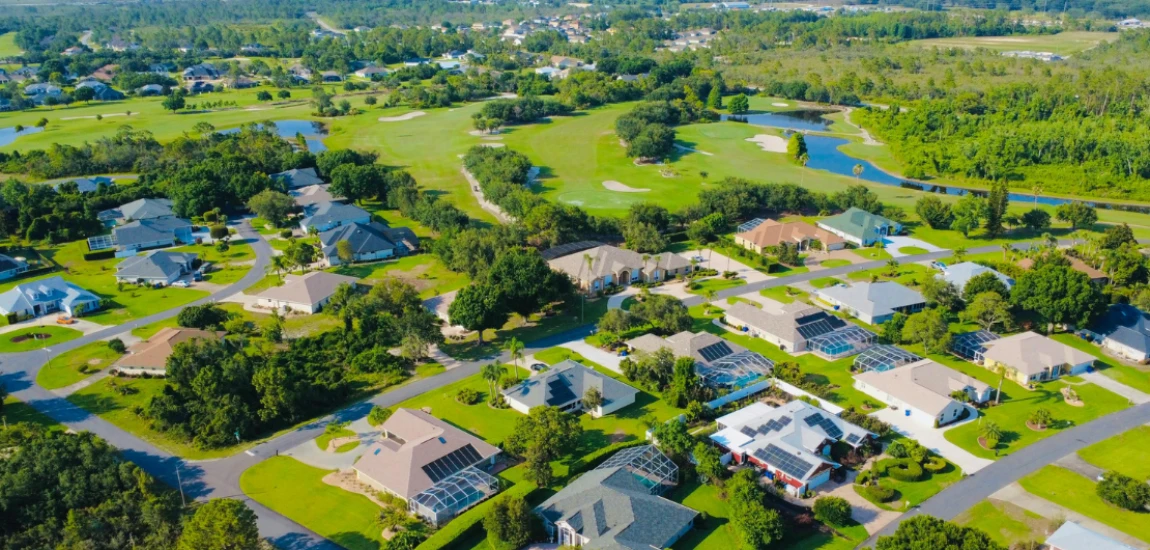
The future of tourism will not be shaped by technology alone. It will depend on how technology works together with nature, local communities, culture, infrastructure, and the needs of travelers. As destinations face climate change, overcrowding, biodiversity loss, resource shortages, and changing traveler expectations, traditional tourism models are increasingly being challenged.
Next-generation sustainable destinations offer a different vision. These destinations could use artificial intelligence, smart infrastructure, renewable energy, digital tools, ecological restoration, local entrepreneurship, and human-centered design to create tourism systems that benefit both visitors and residents.
The objective is not simply to attract more tourists. A future-ready destination should consider how many visitors an area can support, where tourism revenue goes, how natural resources are managed, how communities participate in tourism decisions, and whether visitors leave with a deeper appreciation for the destination.
Technology could help cities predict visitor flows and manage resources. Local communities could play a stronger role in tourism ownership and cultural storytelling. Nature could become an essential part of destination planning rather than something protected only after development occurs. Human-centered design could ensure that tourism remains accessible, comfortable, inclusive, and meaningful.
Together, these approaches could transform destinations from places designed primarily for visitor consumption into living systems designed around long-term environmental, social, and human well-being.
Building Sustainable Destinations Around Technology

Using Smart Destination Intelligence
Technology could become an important foundation of future sustainable tourism. Smart destination systems can potentially collect and analyze information about visitor numbers, transportation, energy consumption, water use, weather conditions, and infrastructure capacity.
Artificial intelligence could help destination managers understand where crowds are forming and recommend alternative attractions before popular areas become overwhelmed. This could distribute visitors more effectively and improve the experience for both travelers and residents.
For example, instead of directing thousands of visitors toward one famous attraction, a smart tourism platform could recommend nearby cultural sites, parks, local restaurants, or less crowded neighborhoods that match travelers' interests.
Improving Resource Management
Smart sensors and connected infrastructure could help destinations manage essential resources more efficiently. Hotels, airports, public buildings, and attractions could monitor electricity and water consumption in real time.
Data could identify leaks, unusual energy use, waste patterns, and periods of excessive demand.
This can help destinations reduce unnecessary resource consumption while potentially lowering operating costs.
Creating More Responsive Travel Systems
Future tourism platforms could combine real-time information with personalized recommendations. Travelers could receive updates about weather, transportation, crowd levels, attraction capacity, and local events.
This creates a more flexible travel experience while helping destinations manage demand.
However, technology should remain a tool rather than the ultimate objective. Smart tourism should improve sustainability and quality of life instead of simply creating more digital interactions.
Putting Local Communities at the Center

Making Residents Active Participants
A truly sustainable destination cannot be designed only around tourists. Local residents are the people who live with tourism's long-term effects.
Future destination planning should give communities meaningful opportunities to influence tourism policies, development projects, visitor management, and cultural representation.
Community participation can help identify problems that tourism data alone may not reveal.
Residents may know which neighborhoods experience excessive visitor pressure, which cultural traditions require protection, or which local businesses need greater support.
Strengthening Local Economies
Tourism can become more sustainable when more economic value remains within the destination.
Travelers can support locally owned hotels, restaurants, guides, farms, artisans, cultural organizations, and independent businesses.
Destination managers can strengthen this process through local procurement programs, small-business support, entrepreneurship training, community tourism initiatives, and better access to digital marketplaces.
This can help tourism create broader economic opportunities rather than concentrating revenue among a small number of large companies.
Protecting Local Culture
Culture should not be treated simply as a tourism product.
Future sustainable destinations can support local languages, crafts, food traditions, architecture, music, storytelling, festivals, and community practices while allowing residents to determine how their culture is presented.
Responsible cultural tourism should encourage learning and exchange rather than turning every tradition into a commercial performance.
When communities have greater control over cultural tourism, visitors can often experience more authentic and meaningful connections with the destination.
Making Nature a Core Part of Destination Planning

Moving From Conservation to Regeneration
Sustainable tourism often focuses on protecting natural environments. Next-generation destinations could move further toward regenerative tourism, where tourism contributes to ecological restoration.
Hotels, parks, attractions, and public spaces could incorporate native vegetation, wetlands, urban forests, pollinator habitats, wildlife corridors, and restored ecosystems.
These natural systems can support biodiversity while also improving the visitor experience.
Designing With Natural Systems
Future destinations could use nature-based solutions to address environmental challenges.
Wetlands can help manage stormwater. Urban trees can provide shade and reduce heat. Restored coastal ecosystems can help protect vulnerable areas. Green roofs can support biodiversity and improve building performance.
Rather than treating nature as separate from infrastructure, destination planners can integrate ecological systems into the design of roads, buildings, public spaces, hotels, and transportation networks.
Protecting Tourism's Natural Foundations
Many tourism destinations depend directly on healthy ecosystems.
Beaches, forests, mountains, coral reefs, rivers, wildlife habitats, and agricultural landscapes attract visitors while supporting local livelihoods.
Protecting these assets is therefore both an environmental and economic priority.
Destinations can establish visitor limits, conservation zones, responsible wildlife policies, ecological monitoring, and restoration programs to ensure tourism does not undermine the natural resources on which it depends.
Designing Destinations Around Human Needs

Creating More Comfortable Travel Experiences
Human-centered design asks a simple question: What does the traveler actually need?
Future destinations could be designed around comfort, accessibility, safety, clarity, rest, connection, and discovery.
Wayfinding systems can become easier to understand. Public spaces can provide shade and seating. Transportation can become more accessible. Tourist information can be available in multiple formats.
These improvements benefit both visitors and residents.
Reducing Travel Stress
Tourism can become stressful when travelers face complicated transportation, overcrowding, long queues, confusing directions, noise, and excessive decision-making.
Smart systems can reduce some of these problems by providing real-time guidance and alternative options.
Destinations can also create quiet zones, pedestrian areas, green spaces, flexible itineraries, and better public transportation connections.
A sustainable destination should not only reduce environmental pressure; it should also improve the human experience.
Designing for Different Travelers
Future tourism should recognize that travelers have different ages, abilities, budgets, cultural backgrounds, interests, and comfort preferences.
Universal design can make attractions, transportation, accommodation, and public spaces more accessible.
Inclusive tourism can also create economic opportunities for a broader range of travelers while ensuring that destination experiences are not designed around only one type of visitor.


Gilbert Ott, the man behind "God Save the Points," specializes in travel deals and luxury travel. He provides expert advice on utilizing rewards and finding travel discounts.
Gilbert Ott

Prev Post

Next Post