
Local Tourism Wealth Networks – Strengthening Economic Benefits for Local Communities
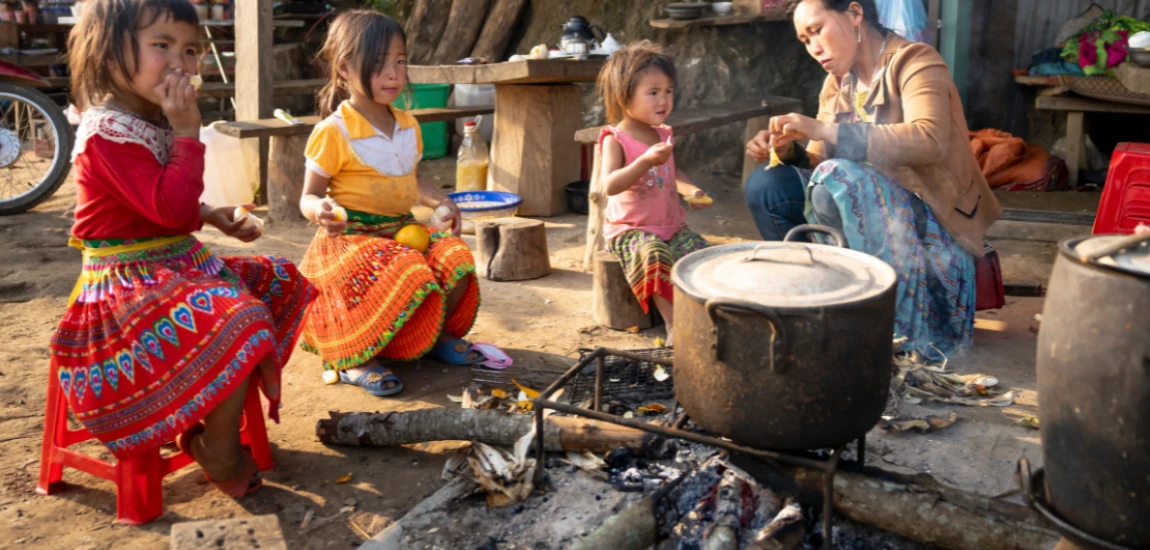
Tourism can generate significant economic opportunities for destinations, but visitor spending does not automatically benefit local communities. A traveler may stay at a hotel, eat at restaurants, purchase transportation, join tours, and buy souvenirs, yet a substantial portion of the money can leave the destination through external companies, imported products, international booking platforms, or businesses headquartered elsewhere.
This challenge has increased interest in tourism models that focus on keeping more economic value within communities. Local Tourism Wealth Networks provide one approach to achieving this goal. These networks connect local tourism businesses, workers, producers, farmers, artisans, community organizations, cultural groups, accommodation providers, transportation operators, and destination managers so that tourism spending can circulate more effectively within the local economy.
The idea is broader than simply promoting local businesses. A tourism wealth network examines how money moves through a destination and identifies opportunities to strengthen connections between different parts of the local economy.
For example, a hotel can purchase food from local farmers, hire local guides, use local transportation providers, promote community-owned experiences, and purchase locally made products. The farmer then spends income on local services, the guide supports local businesses, and the tourism revenue continues circulating.
This creates a network effect.
Local tourism wealth networks can also support employment, entrepreneurship, cultural preservation, community investment, and destination resilience. Instead of measuring tourism success only through visitor numbers, destinations can examine how effectively tourism creates and retains local economic value.
Understanding Local Tourism Wealth Networks

What Local Tourism Wealth Networks Mean
Local Tourism Wealth Networks are connected systems of businesses, workers, communities, suppliers, and organizations that help tourism revenue circulate within a destination.
The network can include hotels, guesthouses, restaurants, farmers, food producers, artisans, guides, transportation providers, event organizers, cultural organizations, attractions, retailers, and community enterprises.
The objective is to strengthen relationships between these participants.
For example, a locally operated hotel could purchase vegetables from nearby farms, employ local staff, recommend local restaurants, work with community guides, and purchase handmade products for its guest facilities.
Each relationship creates an economic connection.
Why Tourism Revenue Leakage Matters
Tourism revenue leakage occurs when visitor spending leaves the destination instead of remaining within the local economy.
Leakage can occur when businesses are owned externally, products are imported, workers are recruited from outside the region, or tourism services depend heavily on external companies.
Reducing leakage does not mean eliminating outside investment. External investment can contribute important capital, expertise, infrastructure, and employment.
The goal is to identify areas where stronger local participation can increase the economic value retained by communities.
From Tourism Spending to Local Wealth Creation
Tourism spending becomes more valuable to communities when it creates repeated economic activity.
A visitor spending money at a local restaurant provides income to the restaurant. The restaurant then purchases food from local producers and pays local workers. Those workers spend part of their income on local services.
This circulation can create a multiplier effect.
Local Tourism Wealth Networks aim to strengthen these connections intentionally.
Strengthening Local Businesses and Entrepreneurs

Supporting Community-Based Tourism Businesses
Small and community-owned businesses can play an important role in local tourism economies.
Community-based tourism may include local guesthouses, food experiences, cultural tours, craft workshops, farm visits, walking tours, nature experiences, and locally operated transportation.
These businesses can give visitors direct access to local products and knowledge while keeping more tourism revenue within the community.
Destination managers can support them through training, marketing assistance, digital skills programs, business development services, and access to tourism networks.
Creating Opportunities for Local Entrepreneurs
Tourism can create opportunities for entrepreneurs to develop new products and services.
A destination may have talented cooks, artists, farmers, guides, designers, photographers, drivers, and cultural practitioners who can become tourism entrepreneurs.
However, having skills is not always enough. Entrepreneurs may also need financing, digital marketing knowledge, business planning support, licensing assistance, and connections to tourism businesses.
Local Tourism Wealth Networks can provide these connections.
For example, a destination could establish a platform connecting local entrepreneurs with hotels, tour operators, event organizers, and visitors.
Improving Visibility of Local Businesses
Small businesses often struggle to compete with large tourism companies because they have smaller marketing budgets and less digital visibility.
Destinations can help by developing local business directories, community tourism platforms, visitor maps, digital marketplaces, and promotional campaigns.
Hotels and tourism operators can also recommend local businesses directly to visitors.
Improved visibility can increase visitor spending within the local economy.
Building Strong Local Tourism Supply Chains

Connecting Tourism Businesses With Local Producers
Hotels, restaurants, resorts, and attractions purchase large quantities of food, beverages, furniture, decorations, cleaning products, construction materials, and other supplies.
Whenever possible, local suppliers can become part of these tourism supply chains.
For example, hotels can source vegetables from local farms, restaurants can purchase regional ingredients, and tourism shops can stock locally produced crafts.
This creates stronger relationships between tourism and other sectors of the local economy.
Developing Local Food Tourism Networks
Food is a particularly powerful connection between tourism and local economies.
Local farmers, fishermen, food producers, chefs, restaurants, markets, and culinary guides can work together to create distinctive food experiences.
Farm-to-table restaurants, food festivals, farmers' markets, cooking classes, food tours, and local product stores can connect visitors directly with regional producers.
These experiences can create additional revenue opportunities while promoting local food identity.
Reducing Dependence on External Suppliers
Local sourcing can reduce dependence on external supply chains, although complete localization may not always be practical.
Some products may need to be imported because they are unavailable locally or because local production cannot meet demand.
The objective is to identify realistic opportunities for local procurement.
Tourism businesses can conduct supply-chain assessments to determine which products could be sourced locally without compromising quality, reliability, safety, or affordability.


Ben Schlappig runs "One Mile at a Time," focusing on aviation and frequent flying. He offers insights on maximizing travel points, airline reviews, and industry news.
Ben Schlappig

Prev Post

Next Post