
Circular Tourism Infrastructure Models – Designing Tourism Facilities Around Reuse, Recovery, and Resource Efficiency
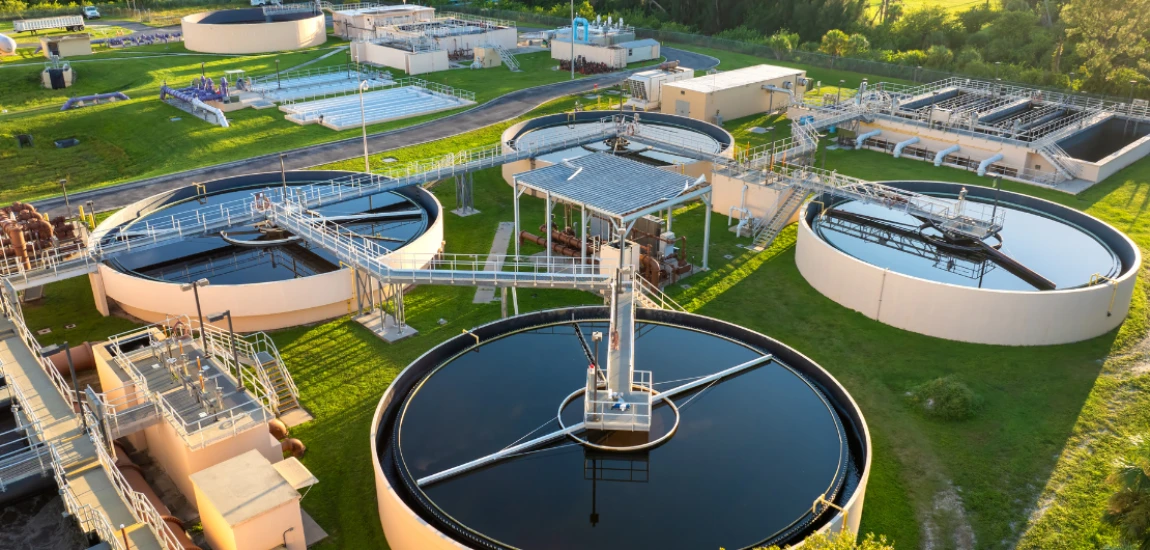
Tourism depends on extensive physical infrastructure. Hotels, resorts, restaurants, airports, transportation facilities, visitor centers, attractions, recreational areas, and public spaces all require materials, energy, water, food, and other resources. Traditionally, many tourism facilities have followed a linear model: resources are extracted, products are manufactured, used, and eventually discarded.
This approach can create large amounts of waste and increase pressure on natural resources.
Circular Tourism Infrastructure Models offer a different approach. Instead of designing tourism facilities around continuous consumption and disposal, circular models focus on keeping materials and resources in use for as long as possible through reuse, repair, refurbishment, recycling, recovery, and efficient resource management.
A circular hotel, for example, could use modular furniture that can be repaired or replaced by individual components rather than discarded. A resort could capture and reuse water, recover organic waste for composting, generate renewable energy, and source building materials with future reuse in mind.
Circular infrastructure is therefore more than waste management. It is a complete approach to designing, constructing, operating, maintaining, renovating, and eventually deconstructing tourism facilities.
The objective is to reduce resource consumption while maintaining high-quality visitor experiences.
As tourism continues to grow, destinations need infrastructure that can support visitors without creating unnecessary environmental pressure. Circular tourism infrastructure can help achieve this by connecting construction, operations, energy, water, food, waste, and material systems.
Understanding Circular Tourism Infrastructure Models

What Circular Tourism Infrastructure Means
Circular tourism infrastructure refers to tourism facilities and systems designed according to circular economy principles.
The focus is on reducing the use of virgin resources, extending the life of products and buildings, recovering valuable materials, and minimizing waste.
Traditional infrastructure often follows a linear pattern:
Extract → Produce → Use → Dispose
Circular infrastructure aims to create a different cycle:
Design → Use → Maintain → Reuse → Recover → Regenerate
This approach can be applied to hotels, resorts, restaurants, transportation facilities, attractions, public spaces, and destination infrastructure.
Why Tourism Needs Circular Infrastructure
Tourism can consume substantial amounts of water, energy, food, construction materials, packaging, furniture, textiles, and other resources.
When these resources are used once and discarded, destinations face higher costs and environmental pressures.
Circular infrastructure can reduce these pressures by creating systems that retain resources within the tourism economy.
For example, wastewater can become a resource for irrigation, food waste can become compost, old furniture can be refurbished, and construction materials can be recovered during renovation.
Designing for Long-Term Resource Efficiency
Circularity should begin during the design stage.
Architects and developers can consider how buildings will use energy and water, how materials can be repaired, and how components can eventually be reused.
This is more effective than attempting to introduce circular practices after a facility has already been constructed.
Circular design therefore creates a long-term foundation for sustainable tourism infrastructure.
Designing Tourism Facilities for Reuse and Durability

Selecting Reusable and Durable Materials
Material selection is central to circular infrastructure.
Tourism facilities can prioritize durable materials that have long service lives and can be repaired or reused.
Furniture, flooring, lighting systems, fixtures, construction components, and interior materials can be selected based on durability, maintenance requirements, and future recovery potential.
Durable materials can reduce replacement frequency and operational waste.
Designing for Repair and Maintenance
A circular facility should be easy to maintain.
Instead of replacing an entire system when one component fails, modular designs can allow individual parts to be repaired or replaced.
For example, modular furniture can be repaired rather than discarded. Lighting systems can use replaceable components. Building systems can be designed with accessible maintenance points.
This extends product life and reduces material consumption.
Designing Buildings for Future Adaptation
Tourism demand changes over time.
A building that serves as a hotel today may need to be converted, expanded, renovated, or repurposed in the future.
Flexible building designs can support these changes.
Movable partitions, modular structures, adaptable floor plans, and reusable components can allow facilities to evolve without requiring complete demolition.
This creates infrastructure that can remain useful for longer periods.
Building Circular Water and Energy Systems

Creating Water Reuse Systems
Water is one of the most important resources in tourism.
Hotels, resorts, restaurants, pools, landscaping, and recreational facilities can consume large quantities of water.
Circular water infrastructure focuses on reducing consumption and reusing water wherever appropriate.
Rainwater harvesting can collect water for landscaping and other suitable applications. Greywater systems can treat water from sinks and showers for reuse where regulations allow. Smart monitoring can detect leaks and identify excessive consumption.
These systems can reduce pressure on local water resources.
Recovering Energy and Increasing Efficiency
Circular infrastructure should also consider energy as a resource.
Energy-efficient buildings can reduce demand through insulation, natural ventilation, efficient lighting, smart controls, and passive design.
Renewable energy systems can provide additional power while reducing dependence on fossil fuels.
Some facilities can also recover waste heat from equipment and use it for other purposes.
The objective is to reduce energy loss and maximize the usefulness of every unit of energy consumed.
Integrating Smart Resource Monitoring
Digital technologies can make circular systems more effective.
Smart meters and sensors can monitor water, energy, temperature, waste, and equipment performance.
Hotels can identify unusual consumption patterns and respond quickly.
Data can also help managers determine whether circular infrastructure investments are delivering measurable savings.
This turns resource efficiency into a continuously monitored management process.


Dave Lee runs "GoBackpacking," a blog that blends travel stories with how-to guides. He aims to inspire backpackers and offer them practical advice.
Dave Lee

Prev Post
Next Post