
Invisible Infrastructure Tourism – How Hidden Systems Like Water, Waste, Energy, and Mobility Shape Modern Destinations
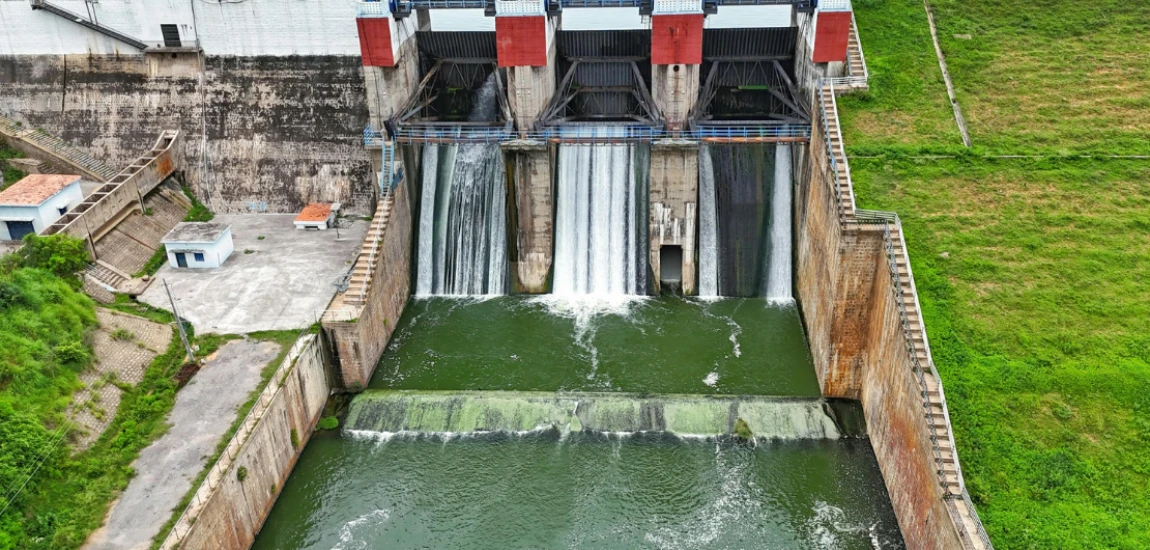
When travelers arrive at a beautiful destination, they usually notice what is visible: hotels, beaches, historic buildings, restaurants, attractions, parks, streets, and cultural landmarks. What they rarely see is the complex infrastructure operating behind the scenes to make tourism possible.
Every shower in a hotel depends on water infrastructure. Every restaurant depends on energy and waste systems. Every attraction depends on transportation networks. Every hotel room, airport terminal, public restroom, and tourist district relies on systems that quietly deliver essential services.
These systems can be described as invisible infrastructure because they are often unnoticed when they work correctly. Yet when they fail, their importance becomes immediately obvious. A water shortage can disrupt hotels and restaurants. A power outage can stop tourism businesses from operating. Poor waste management can damage landscapes and public spaces. Transportation congestion can reduce visitor satisfaction and create problems for local residents.
This creates an important opportunity for Invisible Infrastructure Tourism. The concept encourages tourism planners, businesses, and communities to recognize the hidden systems that support modern destinations and consider how these systems can be made more sustainable, resilient, efficient, and adaptable.
Future tourism destinations may increasingly depend on smart infrastructure systems that monitor demand, predict problems, conserve resources, and respond to changing visitor patterns. Water networks could use sensors to detect leaks. Energy systems could combine renewable generation with smart storage. Waste networks could optimize collection based on demand. Mobility systems could adjust transportation according to visitor flows.
Understanding these systems is essential because sustainable tourism is not only about what tourists see. It is also about what makes tourism possible.
Understanding Invisible Infrastructure Tourism

What Is Invisible Infrastructure?
Invisible infrastructure includes the essential systems that operate behind the visible tourism experience. These can include water supply, wastewater treatment, electricity networks, waste collection, telecommunications, transportation systems, drainage, heating and cooling, digital networks, and emergency services.
Travelers rarely think about these systems while enjoying a vacation. However, tourism destinations depend on them every day.
A large hotel, for example, can consume significant amounts of water for guest rooms, kitchens, swimming pools, laundry, landscaping, and cleaning. It also produces wastewater and solid waste while requiring continuous electricity for lighting, cooling, refrigeration, elevators, technology, and other services.
The infrastructure supporting these activities must therefore be capable of handling tourism demand without compromising services for residents.
Why Hidden Systems Matter
Infrastructure becomes particularly important when destinations experience seasonal tourism peaks. A small community may have enough capacity for its permanent population but struggle when thousands of visitors arrive.
This can place pressure on water supplies, roads, public transportation, electricity grids, sewage systems, waste collection, and emergency services.
Invisible infrastructure tourism encourages planners to consider this hidden demand when developing tourism strategies.
Making the Invisible More Sustainable
The goal is not necessarily to make every infrastructure system visible to tourists. Instead, destinations can make their performance more intelligent and sustainable.
Smart meters, sensors, renewable-energy systems, water-recycling technology, efficient transportation, and digital monitoring can help destinations understand how tourism affects infrastructure.
By improving these hidden systems, destinations can create better experiences for visitors while also improving quality of life for residents.
Water Infrastructure and the Future of Tourism

Tourism's Dependence on Water
Water is one of the most important resources in tourism. Hotels, restaurants, attractions, golf courses, swimming pools, spas, laundries, and public facilities all depend on reliable water supplies.
In water-stressed destinations, tourism can create significant pressure on local resources. A destination may have abundant tourism demand but limited freshwater availability.
This creates a major challenge for sustainable tourism development.
Future destinations will need to think carefully about how tourism growth affects local water systems. Water efficiency can become an important part of hotel design, destination planning, and tourism policy.
Smart Water Management
Smart technology could help tourism destinations manage water more efficiently. Sensors can monitor consumption, detect leaks, measure storage levels, and identify unusual patterns.
Hotels could use smart systems to identify excessive water consumption in individual facilities. Destination authorities could monitor demand across neighborhoods and tourism districts.
These systems could allow problems to be addressed before they become major disruptions.
Water-saving fixtures, rainwater collection, greywater systems, wastewater treatment, and water-efficient landscaping can further reduce demand.
Protecting Local Water Resources
Sustainable tourism should not simply reduce water consumption inside hotels. It should consider the broader watershed.
Wetlands, rivers, groundwater systems, lakes, and coastal ecosystems can all be affected by tourism development.
Destination planners can protect these resources through responsible land-use planning, wastewater treatment, conservation programs, and limits on development in environmentally sensitive areas.
A destination that protects its water resources is also protecting its long-term tourism future.
Waste Systems Behind Modern Tourism Destinations

The Hidden Waste Challenge
Tourism generates many forms of waste, including food waste, packaging, plastic, wastewater, construction materials, and general household waste.
Hotels and restaurants can generate particularly large amounts of food and packaging waste. Popular attractions may experience sudden increases in waste during peak periods.
If waste infrastructure cannot keep pace with visitor numbers, destinations can experience overflowing bins, unpleasant public spaces, pollution, and environmental damage.
These problems can negatively affect both residents and tourists.
Smart Waste Management
Technology can make waste management more responsive. Smart bins equipped with sensors can monitor fill levels and communicate when collection is needed.
Instead of collecting every bin on a fixed schedule, waste-management systems could prioritize locations that are filling quickly.
This could reduce unnecessary collection trips, lower transportation emissions, and improve operational efficiency.
Tourism businesses can also use digital monitoring to identify where waste is generated and develop strategies for reducing it.
Building Circular Tourism Systems
The future of tourism waste management could move beyond disposal toward circular systems.
Food waste could potentially be composted or redirected to appropriate local programs. Organic materials could support agriculture. Recyclable materials could enter local recycling systems. Hotels and restaurants could reduce single-use products and purchase goods with reusable or recyclable packaging.
A circular tourism economy can create environmental benefits while also supporting local businesses and employment.
Energy Infrastructure and Sustainable Hospitality

Powering Tourism Destinations
Tourism is highly dependent on reliable energy. Hotels require electricity for lighting, air conditioning, heating, refrigeration, elevators, kitchens, laundry, digital systems, and entertainment.
Attractions and transportation systems also require substantial energy.
In destinations experiencing rapid tourism growth, energy demand can rise significantly during peak seasons.
This can place pressure on local electricity networks and increase dependence on fossil fuels if renewable capacity is insufficient.
Renewable Energy Integration
Future tourism destinations could increasingly integrate solar, wind, geothermal, and other renewable energy sources where locally appropriate.
Hotels may install solar panels on rooftops. Tourism facilities could use energy-efficient lighting and smart climate-control systems. Charging stations could support electric mobility.
Renewable energy can help reduce emissions while increasing energy resilience.
However, renewable generation should be planned alongside storage, grid capacity, and local energy needs.
Smart Energy Management
Smart energy systems can help tourism businesses understand when and where energy is being consumed.
Automated systems can adjust heating, cooling, and lighting according to occupancy and environmental conditions.
Hotels could reduce energy use in unoccupied rooms while maintaining guest comfort.
Destination-level energy management could also help authorities understand how tourism affects electricity demand and plan future infrastructure investments.


Ben Schlappig runs "One Mile at a Time," focusing on aviation and frequent flying. He offers insights on maximizing travel points, airline reviews, and industry news.
Ben Schlappig

Prev Post
Next Post