
Intelligent Visitor Distribution Systems – Balancing Tourist Movement Across Destinations and Attractions
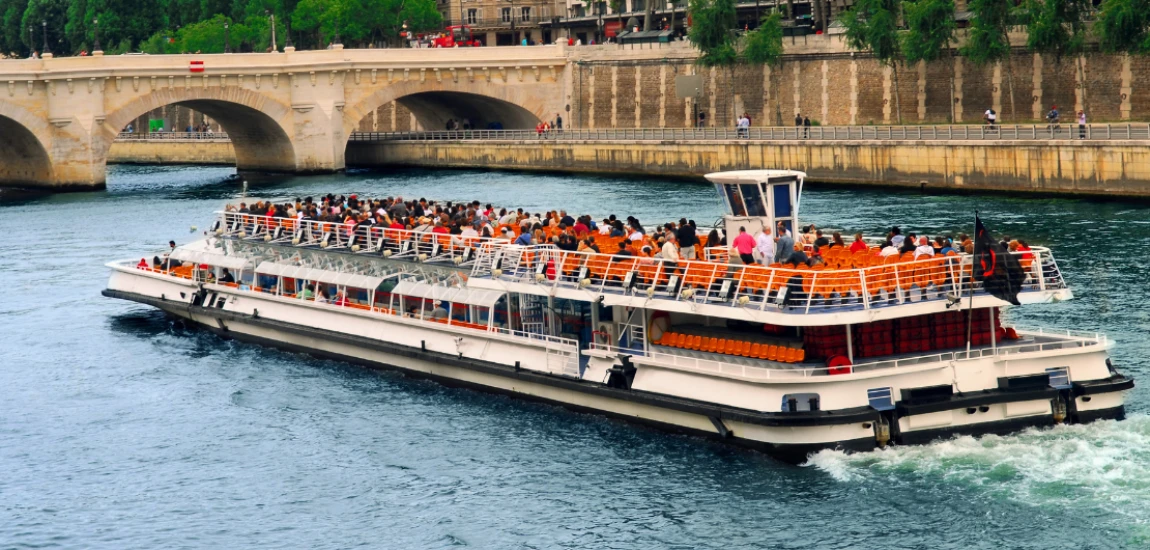
Tourism destinations often face an unusual challenge: some places attract too many visitors while nearby attractions remain relatively quiet. A famous landmark may experience long queues, crowded streets, traffic congestion, and pressure on local resources, while less-known destinations struggle to attract sufficient visitor activity. This imbalance can affect visitor satisfaction, resident wellbeing, infrastructure performance, environmental conditions, and the distribution of tourism revenue.
Intelligent Visitor Distribution Systems provide a technology-supported approach to addressing this challenge. These systems use tourism data, visitor behavior analytics, real-time information, demand forecasting, digital platforms, transportation data, and destination management strategies to understand and influence how visitors move between attractions and locations.
The objective is not simply to move tourists away from popular attractions. Instead, intelligent visitor distribution aims to create a more balanced tourism system in which visitors can discover suitable alternatives while destinations reduce excessive pressure on individual sites.
For example, if a major attraction is approaching its preferred capacity, a digital tourism platform could recommend another nearby attraction based on visitor interests, travel time, available capacity, weather, or current crowd levels. Transportation systems could also adjust routes or schedules to support alternative destinations.
This approach can create benefits for visitors, local businesses, residents, and destination managers. Visitors can experience more places with less congestion, businesses in emerging areas can receive additional economic activity, and sensitive attractions can receive greater protection.
The following sections explore how Intelligent Visitor Distribution Systems work, the technologies that support them, and practical strategies destinations can use to balance tourist movement across attractions and regions.
Understanding Intelligent Visitor Distribution Systems

Intelligent Visitor Distribution Systems are integrated approaches for monitoring, analyzing, and influencing tourist movement across destinations. They combine data and management strategies to understand where visitors are going and identify opportunities to distribute tourism activity more effectively.
Understanding Visitor Concentration
Tourist concentration occurs when large numbers of visitors gather in a small number of attractions or locations.
Popular landmarks, historic districts, beaches, shopping streets, and cultural sites can become highly concentrated during peak periods.
High visitor concentration can create congestion, noise, waste, resource pressure, long queues, and reduced visitor satisfaction.
Intelligent visitor distribution begins by identifying these concentration patterns. Data can show where visitors are gathering, how long they stay, when demand peaks, and how they move between locations.
Moving From Observation to Action
Simply knowing that an attraction is crowded is not enough. A distribution system should help destination managers respond.
Responses can include digital recommendations, timed entry, alternative attractions, transportation adjustments, event scheduling, pricing mechanisms where appropriate, and visitor communication.
The objective is to make the destination more responsive to real-world visitor conditions.
Creating Balanced Destination Experiences
Visitor distribution is not only about reducing overcrowding. It is also about helping travelers discover a broader range of experiences.
Many destinations contain lesser-known cultural sites, local neighborhoods, natural attractions, markets, trails, museums, and community businesses that may have available capacity.
Intelligent systems can connect visitor interests with these alternatives, creating a more diverse tourism experience.
Using Data to Understand Tourist Movement

Data provides the foundation for intelligent visitor distribution. Destinations need information about where visitors go, when they travel, how long they stay, and what influences their movement.
Collecting Visitor Flow Data
Visitor flow information can come from ticketing systems, transportation networks, attraction attendance, hotel data, visitor surveys, mobile applications, sensors, and other appropriate sources.
These data sources can reveal patterns in tourist movement.
For example, a destination might discover that visitors arrive at one attraction between 10 a.m. and noon and then move toward nearby restaurants before visiting another attraction in the afternoon.
Understanding these patterns can help managers coordinate services and distribute demand.
Identifying Peak Periods
Tourist demand varies by hour, day, season, holiday, event, and weather conditions.
Visitor analytics can identify the periods when specific locations are most likely to become crowded.
This information can support advance communication. Visitors could be encouraged to visit certain attractions earlier, later, or on alternative days.
Combining Multiple Data Sources
The most useful visitor distribution systems combine different types of information.
Demand forecasts can be combined with transportation data, weather conditions, attraction capacity, event schedules, accommodation information, and visitor preferences.
This creates a broader understanding of the factors influencing tourist movement and allows destination managers to develop more informed distribution strategies.
Using Smart Technology to Balance Visitor Flows

Technology can make visitor distribution more dynamic. Digital systems can respond to changing conditions and provide travelers with timely information.
Real-Time Visitor Information
Visitors increasingly use smartphones and digital platforms during their trips. Destinations can use these channels to communicate current information about crowd levels, attraction availability, transportation, and alternative experiences.
If an attraction is experiencing high demand, a visitor platform could suggest another suitable location.
Real-time information allows travelers to make decisions based on current conditions rather than relying only on static travel guides.
Artificial Intelligence and Recommendations
Artificial intelligence can analyze visitor preferences and destination conditions to recommend attractions.
For example, a traveler interested in local culture may receive recommendations for museums, craft markets, heritage sites, or community experiences with available capacity.
AI-based recommendations can consider factors such as distance, opening hours, visitor volume, weather, interests, accessibility, and travel time.
This creates a more personalized approach to visitor distribution.
Smart Transportation Systems
Transportation has a major influence on visitor flows.
Smart transportation platforms can provide real-time information about congestion, public transportation schedules, parking availability, walking routes, cycling paths, and alternative mobility options.
Connecting transportation information with visitor distribution systems can help destinations guide tourists toward areas that have capacity while improving mobility throughout the destination.
Distributing Visitors Across Attractions and Communities

An intelligent visitor distribution strategy should create benefits across the destination rather than simply moving congestion from one location to another.
Promoting Lesser-Known Attractions
Many destinations have attractions that receive relatively few visitors despite offering valuable experiences.
These may include local museums, cultural centers, nature trails, community markets, historic neighborhoods, galleries, farms, viewpoints, and smaller attractions.
Digital recommendations, destination maps, themed routes, and coordinated marketing can increase awareness of these locations.
However, promotion should be matched with appropriate capacity and infrastructure. Sending large numbers of visitors to a fragile or unprepared site can create new problems.
Creating Multi-Attraction Routes
Destinations can create connected routes that include several attractions rather than directing visitors toward a single famous site.
A cultural route might connect a museum, historic street, local restaurant, artisan workshop, and cultural center.
A nature route might connect several parks, trails, viewpoints, and community businesses.
These routes distribute visitor activity while giving travelers a richer experience.
Supporting Local Economic Distribution
Visitor distribution can also influence where tourism income is generated.
When tourists visit only a small number of commercial areas, economic benefits may become concentrated.
Encouraging visitors to explore different neighborhoods and communities can create opportunities for local restaurants, shops, guides, artisans, and accommodation providers.
This makes visitor distribution an important part of broader destination economic planning.


Shivya Nath authors "The Shooting Star," a blog that covers responsible and off-the-beaten-path travel. She writes about sustainable tourism and community-based experiences.
Shivya Nath

Prev Post

Next Post