
Inclusive Travel Infrastructure Systems – Designing Travel Environments Accessible to Diverse Visitors
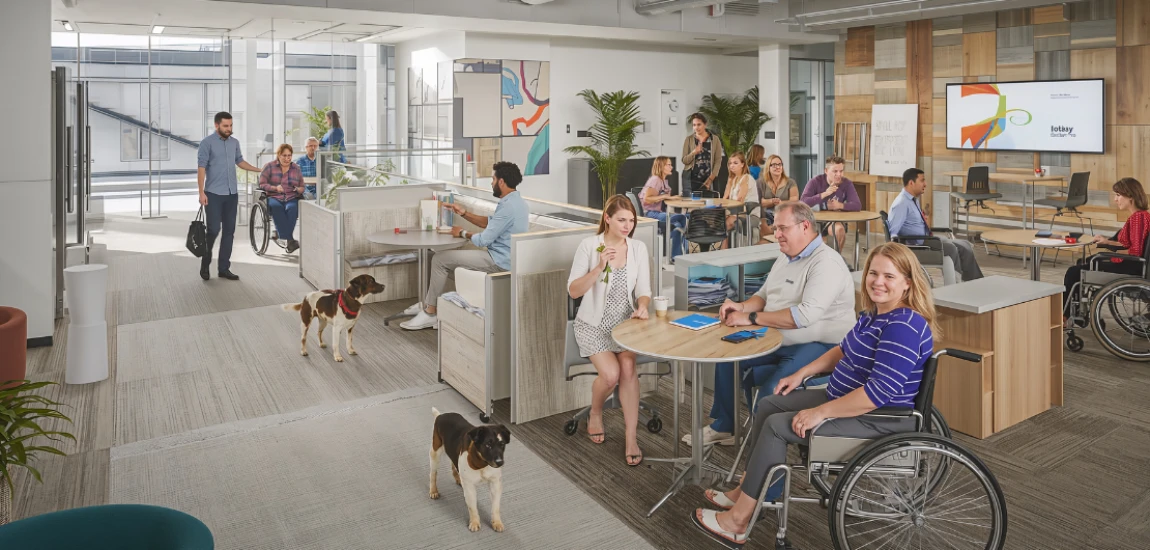
Travel should provide opportunities for people with different abilities, ages, mobility requirements, sensory preferences, communication needs, and personal circumstances. Yet many destinations still contain barriers that can make transportation, accommodation, attractions, public spaces, and tourism services difficult to access.
Inclusive Travel Infrastructure Systems focus on designing tourism environments that can be used by a wider range of visitors. Instead of treating accessibility as a separate feature added after construction, inclusive infrastructure considers diverse visitor needs from the beginning of destination planning.
Accessible tourism involves much more than wheelchair ramps. Travelers may need step-free entrances, elevators, accessible transportation, tactile pathways, visual information, hearing assistance, accessible bathrooms, quiet spaces, clear signage, digital accessibility, seating areas, and straightforward navigation.
Families traveling with young children can also benefit from inclusive infrastructure. Older travelers may appreciate seating, smooth pathways, accessible transportation, and shorter walking distances. Visitors with temporary injuries can benefit from many of the same features.
Inclusive destination design can therefore improve the experience for a broad population.
The development of accessible travel infrastructure also benefits tourism destinations economically and socially. When visitors can move comfortably through a destination, they may stay longer, visit more attractions, use more tourism services, and experience greater independence.
The objective is to create environments where accessibility is integrated into transportation, public spaces, accommodation, attractions, information systems, and digital services.
Understanding Inclusive Travel Infrastructure Systems

Inclusive Travel Infrastructure Systems create connected environments that allow diverse visitors to participate more independently in tourism. Accessibility should be considered across the complete visitor journey rather than at only one location.
A traveler may encounter accessibility barriers before even arriving at a destination. Booking websites may not provide accurate accessibility information. Airports and stations may have complicated navigation. Roads may lack suitable pedestrian crossings. Hotels may advertise accessibility without explaining the actual facilities available.
A truly inclusive system connects these different stages.
Moving Beyond Basic Accessibility
Traditional accessibility planning often focuses on individual features such as ramps, elevators, or accessible parking.
These features are important, but they represent only one part of inclusive travel infrastructure.
A destination also needs accessible transportation, understandable signage, suitable public toilets, comfortable waiting areas, accessible attractions, and reliable information.
The entire travel chain should work together.
For example, an accessible hotel is less useful if visitors cannot reach it using accessible public transportation or navigate the surrounding streets safely.
Designing for Diverse Visitor Needs
Inclusive infrastructure should recognize that travelers have different requirements.
Visitors with mobility disabilities may need step-free routes and accessible vehicles. Travelers with visual impairments may benefit from tactile surfaces, audio information, and clear contrasts. Visitors with hearing impairments may need visual announcements and captioned content.
People with cognitive or sensory needs can benefit from predictable layouts, clear directions, reduced visual clutter, and quieter environments.
Universal design aims to make these features available without unnecessarily separating visitors.
Creating Connected Accessibility
Accessibility works best when different systems connect.
An accessible railway station should connect with accessible sidewalks, taxis, buses, hotels, attractions, restaurants, and public facilities.
Destination planners can map the entire visitor journey and identify where accessibility breaks down.
This approach transforms individual accessibility features into a coordinated inclusive tourism infrastructure system.
Designing Accessible Transportation Networks

Transportation is one of the most important components of inclusive travel. If visitors cannot move easily between airports, hotels, attractions, restaurants, shopping districts, and public spaces, accessibility elsewhere becomes less effective.
Inclusive transportation should support different mobility requirements while making travel understandable and comfortable.
Improving Accessible Public Transportation
Buses, trains, trams, ferries, and other public transportation systems can incorporate low-floor entrances, wheelchair spaces, priority seating, accessible ticket machines, visual announcements, and audio information.
Stations should provide elevators or alternative step-free routes where needed.
Accessible transportation also requires reliable maintenance. An elevator that is frequently unavailable can become a significant barrier.
Transportation operators should communicate disruptions clearly and provide alternative routes when accessibility equipment is temporarily unavailable.
Creating Accessible Streets and Pedestrian Routes
Travelers often experience destinations primarily through streets and pedestrian areas.
Sidewalks should provide smooth, continuous routes with appropriate width and minimal obstacles.
Crossings can include accessible signals, sufficient crossing time, curb ramps, and tactile indicators where appropriate.
Resting areas can also help older visitors and people who cannot walk long distances continuously.
Accessible streets benefit many travelers, including families with strollers, visitors carrying luggage, and people with temporary mobility limitations.
Making Tourism Transportation Easier to Understand
Accessibility also includes information.
Transportation systems should provide clear maps, understandable signs, route information, and accessible digital tools.
Visitors should be able to identify which stations have elevators, which buses provide accessible boarding, and where accessible transportation services are available.
Accurate information allows travelers to plan confidently and reduces uncertainty during a trip.
Creating Inclusive Public Spaces and Tourism Attractions

Public spaces and attractions are central to the tourism experience. Parks, museums, heritage sites, beaches, cultural centers, markets, viewpoints, and entertainment venues should consider accessibility throughout their design and operation.
Inclusive tourism does not mean making every experience identical. It means providing reasonable ways for diverse visitors to participate.
Applying Universal Design to Attractions
Universal design can make attractions easier to use by a broad range of visitors.
Features may include step-free routes, elevators, accessible seating, accessible restrooms, suitable lighting, tactile information, audio descriptions, captions, and clear signage.
Museums can provide multiple ways to experience exhibitions.
Visitors may be able to learn through written descriptions, audio guides, visual displays, tactile models, or captioned multimedia.
Providing alternatives can create more flexible experiences.
Improving Heritage and Historic Sites
Historic destinations can present particular accessibility challenges because buildings and landscapes may have been constructed long before modern accessibility standards.
Careful planning can identify ways to improve access while respecting heritage value.
Alternative routes, accessible entrances, virtual interpretation, lifts where appropriate, resting points, and detailed pre-visit information can help.
When full physical access is difficult or impossible, destinations can provide meaningful alternative ways to experience the site's history and significance.
Designing Inclusive Outdoor Tourism Spaces
Natural attractions can also incorporate accessibility.
Accessible trails, viewing platforms, firm pathways, seating areas, accessible parking, and suitable restrooms can make outdoor experiences available to more visitors.
Beach destinations may consider accessible pathways and specialized access solutions.
Nature-based tourism should combine environmental protection with thoughtful accessibility planning rather than assuming that natural environments cannot be inclusive.
Developing Accessible Accommodation and Hospitality Systems

Hotels, resorts, guesthouses, hostels, restaurants, and other hospitality businesses play a major role in inclusive tourism.
Visitors need accurate information before booking and practical accessibility features after arrival.
Designing Accessible Accommodation
Accessible rooms may include step-free entrances, sufficient circulation space, accessible bathrooms, suitable bed heights, grab bars, accessible controls, and other features depending on visitor needs.
However, accommodation providers should describe facilities accurately rather than simply using the word “accessible.”
Visitors often need specific information about door widths, bathroom layouts, elevators, entrances, parking, and room locations.
Detailed information helps travelers determine whether a property meets their individual needs.
Making Restaurants and Hospitality Venues Inclusive
Restaurants can improve accessibility through step-free entrances, suitable table layouts, accessible restrooms, readable menus, and staff awareness.
Digital menus should also be compatible with common accessibility technologies.
Hospitality staff can be trained to communicate respectfully and provide assistance without making assumptions about what a guest needs.
Inclusive service is not only about physical infrastructure. It also involves dignity, communication, flexibility, and customer service.
Creating Comfortable Arrival and Departure Experiences
The arrival process can significantly influence visitor confidence.
Hotels and tourism facilities can provide accessible drop-off areas, clear entrances, luggage assistance, seating, and straightforward check-in procedures.
Digital check-in and accessible online information can also reduce unnecessary barriers.
The objective is to create a smooth experience from arrival to departure.


Gary Arndt operates "Everything Everywhere," a blog focusing on worldwide travel. An award-winning photographer, Gary shares stunning visuals alongside his travel tales.
Gary Arndt
Prev Post

Next Post