
Cultural Heritage Innovation Networks – Connecting Cultural Preservation With Tourism
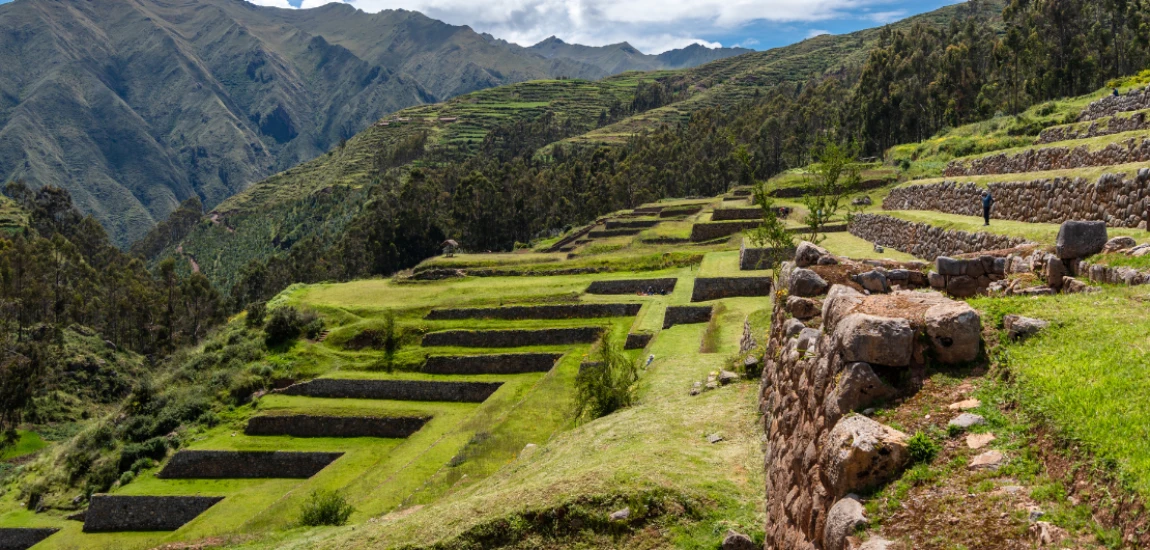
Cultural heritage is one of the most valuable resources available to tourism destinations. Historic buildings, traditional crafts, local food, music, festivals, languages, stories, religious architecture, traditional skills, and community customs can provide travelers with meaningful experiences while creating opportunities for local communities.
However, connecting heritage with tourism requires careful planning. Tourism can provide financial support for preservation, create employment, increase awareness, and encourage younger generations to continue traditional practices. At the same time, unmanaged tourism can place pressure on historic sites, commercialize cultural traditions, increase visitor congestion, and reduce community control over heritage.
Cultural Heritage Innovation Networks provide a way to create stronger connections between preservation and tourism.
These networks bring together heritage organizations, museums, cultural practitioners, tourism businesses, local communities, researchers, government institutions, technology providers, artists, and visitors. Instead of treating heritage preservation and tourism as separate activities, the network approach connects them around shared goals.
A historic site can work with local guides to develop educational tours. Artisans can collaborate with hotels and cultural centers to demonstrate traditional crafts. Museums can use digital technology to reach new audiences. Restaurants can introduce traditional recipes while supporting local producers.
These connections can create a tourism ecosystem in which cultural preservation generates visitor value while tourism contributes to the continued protection and transmission of heritage.
Understanding Cultural Heritage Innovation Networks

What Are Cultural Heritage Innovation Networks?
Cultural Heritage Innovation Networks are collaborative systems that connect organizations, communities, businesses, cultural practitioners, researchers, and tourism stakeholders around the preservation and responsible use of cultural heritage.
The word "network" is important because heritage does not exist in isolation.
A historic building may be connected to a neighborhood's history. A traditional craft may depend on local materials and specialized knowledge. A festival may involve community organizations, musicians, food producers, artists, and local businesses.
Tourism can connect these elements into a broader visitor experience.
Innovation does not necessarily mean replacing traditional practices with modern technology. It can mean finding new ways to preserve, communicate, teach, finance, document, and experience heritage.
Why Innovation Is Important for Heritage Tourism
Many cultural heritage resources face challenges such as limited funding, declining traditional skills, aging infrastructure, changing lifestyles, and reduced participation among younger generations.
Tourism can provide an additional source of income and public interest.
However, simply attracting visitors is not enough. Heritage tourism needs systems that ensure tourism revenue contributes to preservation and community wellbeing.
Innovation networks can help create those systems by connecting tourism demand with conservation priorities.
Connecting Preservation With Visitor Experiences
Heritage tourism becomes more meaningful when visitors understand the stories behind places and traditions.
A guided walking tour can explain the history of a neighborhood. A craft workshop can introduce traditional techniques. A food experience can explain the origins of local ingredients and recipes.
These experiences can make heritage more understandable while providing income opportunities for people who maintain cultural knowledge.
The result is a relationship in which preservation and tourism can reinforce each other.
Connecting Local Communities With Heritage Tourism

Giving Communities an Active Role
Local communities should be important participants in decisions about how their heritage is presented through tourism.
Residents often possess knowledge that cannot be found in official records. They may understand local stories, family histories, traditional practices, architectural details, or cultural meanings that are important to the identity of a place.
Community participation can help ensure that tourism experiences reflect local perspectives.
It can also reduce the risk of presenting culture as a simplified product designed only for visitors.
Supporting Local Cultural Practitioners
Cultural practitioners such as artisans, musicians, storytellers, chefs, performers, historians, and traditional craftspeople can become important parts of heritage tourism networks.
Tourism organizations can connect these practitioners with hotels, museums, tour operators, cultural centers, and visitor programs.
For example, an artisan could conduct workshops for visitors while selling locally made products. A traditional musician could perform at a cultural venue while teaching younger community members.
These opportunities can generate income while helping maintain cultural skills.
Creating Community Economic Benefits
Heritage tourism should create opportunities for local economic participation.
Visitors can spend money on locally owned accommodation, food, crafts, guided tours, cultural events, and transportation.
When tourism spending remains within the community, it can provide stronger incentives for heritage preservation.
Community-based tourism models can therefore become an important part of cultural heritage innovation networks.
Using Innovation and Technology to Protect Cultural Heritage

Digital Documentation and Heritage Preservation
Digital technology can help document cultural resources that may be difficult to preserve physically.
Historic buildings can be digitally mapped. Traditional crafts can be recorded through photographs and video. Oral histories can be documented through interviews. Archival materials can be digitized for future generations.
Digital documentation does not replace physical preservation, but it creates additional records that can support research, education, and cultural transmission.
It can also help make heritage accessible to people who cannot physically visit a destination.
Creating Digital Heritage Experiences
Technology can create new ways for visitors to understand cultural heritage.
Mobile applications can provide historical information while visitors explore a site. Digital maps can connect multiple heritage locations. Augmented reality can provide historical context in appropriate settings.
Virtual exhibitions can introduce visitors to artifacts and stories before or after their trip.
These tools can make heritage interpretation more interactive while potentially reducing pressure on fragile physical resources.
Using Data Responsibly
Tourism and heritage organizations can use data to understand visitor patterns, popular attractions, seasonal demand, and community feedback.
This information can help manage visitor flows and identify areas where additional protection may be needed.
However, technology should support heritage rather than dominate it.
Traditional knowledge and community consent are especially important when digitizing cultural practices, stories, images, or other sensitive information.
Developing Authentic and Sustainable Cultural Tourism Experiences

Creating Meaningful Heritage Experiences
Modern travelers often seek experiences that allow them to understand the character of a destination.
Instead of simply photographing historic buildings, visitors may want to learn how a traditional building was constructed, understand local history, participate in a craft activity, or taste food connected to regional traditions.
Heritage organizations and tourism businesses can collaborate to create experiences that encourage learning and participation.
These experiences can generate income while increasing appreciation for cultural heritage.
Protecting Living Heritage
Heritage is not limited to monuments and historic structures.
Living heritage includes languages, traditional knowledge, food practices, music, dance, crafts, rituals, storytelling, and community customs.
These traditions continue to evolve.
Tourism development should therefore avoid treating culture as something frozen in the past. Instead, it can support communities in deciding how traditions are shared with visitors while allowing cultural practices to continue naturally.
Managing Visitor Pressure
Popular heritage sites can experience overcrowding, physical damage, noise, waste, and other pressures.
Innovation networks can help develop visitor management strategies.
Destinations can introduce timed visits, alternative routes, smaller group experiences, digital interpretation, off-season programming, or less-visited heritage locations.
Distributing visitors can reduce pressure on sensitive sites while allowing more communities and cultural businesses to benefit from tourism.


Ben Schlappig runs "One Mile at a Time," focusing on aviation and frequent flying. He offers insights on maximizing travel points, airline reviews, and industry news.
Ben Schlappig

Prev Post

Next Post