
Intelligent Tourism Waste Recovery Systems: Transforming Waste into Valuable Resources
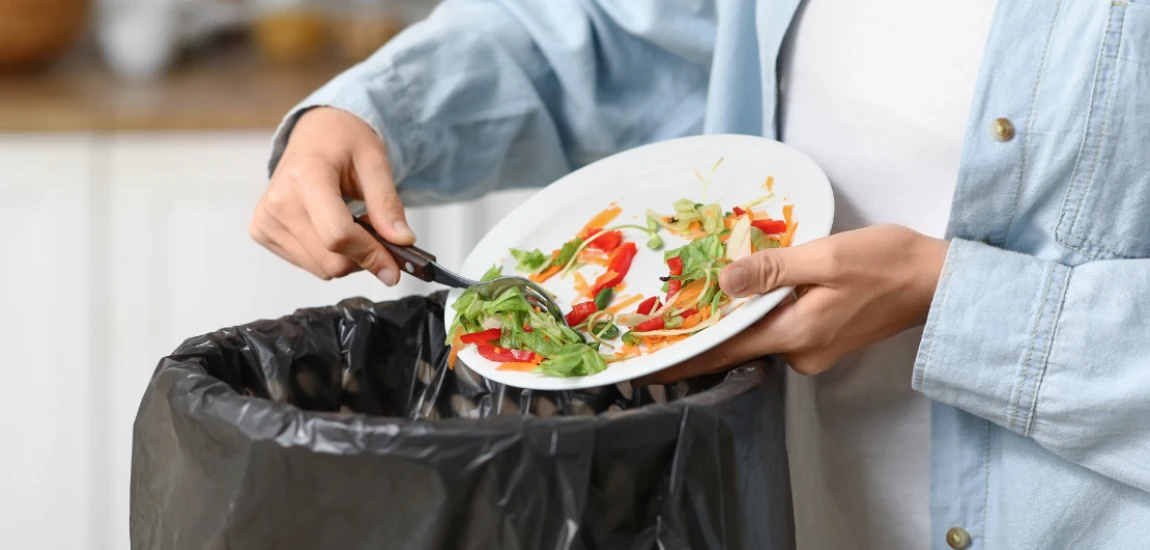
Tourism creates economic opportunities, supports local businesses, and connects travelers with new cultures and environments. However, hotels, restaurants, resorts, cruise terminals, attractions, and transportation services also generate substantial amounts of waste. Food scraps, plastic packaging, disposable products, wastewater residues, and discarded materials can place pressure on local waste management systems, particularly during peak travel seasons.
Intelligent Tourism Waste Recovery Systems offer a forward-looking solution by combining resource tracking, material reuse, recycling technologies, and predictive waste management. Instead of treating all discarded materials as rubbish, these systems identify which resources can be recovered, processed, reused, or converted into valuable products.
By combining smart sensors, data analytics, artificial intelligence, and circular economy principles, tourism destinations can improve waste collection, reduce landfill dependence, and use resources more efficiently. Hotels may predict food waste before it occurs, restaurants can redirect suitable surplus food, and destinations can recover materials for new products or local manufacturing.
These systems also create opportunities for local employment, environmental protection, and cost savings. When tourism businesses collaborate with waste processors, suppliers, municipalities, and community organizations, waste recovery becomes a shared resource-management strategy rather than an isolated operational task.
Understanding Intelligent Tourism Waste Recovery Systems

Intelligent tourism waste recovery systems combine digital monitoring, waste classification, collection planning, and resource recovery to manage discarded materials more efficiently. Their purpose is not simply to remove waste but to identify its composition, prevent unnecessary disposal, and recover useful materials wherever practical.
Moving from Waste Disposal to Resource Recovery
Traditional waste management often focuses on collecting rubbish and transporting it to landfills or treatment facilities. Although collection is necessary, this approach may overlook materials that could be reused, recycled, composted, or transformed into other products.
Intelligent waste recovery takes a broader view. It examines where waste originates, how much is produced, which materials are recoverable, and what prevents their reuse. For example, a resort may discover that much of its discarded material consists of food scraps, cardboard packaging, glass bottles, and recyclable containers.
Once these waste streams are identified, the resort can establish separate collection processes and partnerships with suitable recovery facilities. Food scraps may be directed to an appropriate composting or anaerobic digestion facility, while clean cardboard and glass can enter established recycling channels.
This approach supports a circular tourism economy in which materials remain useful for longer and fewer resources are discarded unnecessarily.
Using Smart Technology for Waste Monitoring
Smart waste systems can use connected scales, fill-level sensors, digital weighing stations, barcode scanning, and operational software to track waste generation. These tools provide information about the quantity, location, and type of materials collected.
A hotel, for instance, could weigh food waste from different kitchen stations and compare the results with daily meal numbers. The information may reveal that particular menu items are consistently overproduced or that waste increases during certain events.
Artificial intelligence can help identify patterns in this information, although reliable results depend on accurate data and appropriate system design. Technology should support practical decisions rather than simply generate dashboards that staff rarely use.
Connecting Recovery with the Circular Economy
The circular economy emphasizes preventing waste, extending product life, repairing items, reusing materials, and recycling resources where appropriate. Intelligent tourism waste recovery systems help apply these principles across hotels, attractions, restaurants, and destination services.
A tourism destination might connect hotels that produce clean cardboard with local recyclers, restaurants with approved food recovery organizations, and landscaping services with compost producers.
These connections can reduce disposal costs while creating new economic opportunities. However, recovery must meet relevant safety, hygiene, and environmental standards. Not every material can be reused safely, and prevention should remain the priority whenever possible.
Applying Resource Tracking and Predictive Waste Management

Effective waste recovery begins with understanding the materials a tourism business uses and discards. Resource tracking helps businesses identify waste sources, while predictive waste management uses historical and current information to anticipate future waste volumes.
Tracking Waste Across Tourism Operations
Hotels and resorts generate waste through housekeeping, food preparation, guest rooms, conferences, landscaping, maintenance, and purchasing. Without detailed records, managers may struggle to identify the most significant sources of unnecessary disposal.
Resource tracking can record the quantity and type of waste produced by each department. Staff might weigh kitchen scraps separately from packaging, record damaged supplies, and monitor the volume of disposable amenities used.
Businesses can then compare waste generation with occupancy rates, meals served, and visitor activity. Measuring waste per occupied room or per meal provides a more useful comparison than looking only at total waste.
For example, a hotel may generate more waste during a holiday weekend simply because it serves more guests. Tracking waste per guest can reveal whether operational efficiency has improved despite higher overall volumes.
Predicting Waste Before It Occurs
Predictive waste management uses patterns in bookings, weather, events, purchasing records, and historical waste data to estimate future requirements. These forecasts can help businesses order more accurately, schedule collections, and prepare suitable recovery capacity.
A restaurant connected to a hotel booking system may anticipate the number of breakfasts required and adjust food preparation accordingly. A coastal destination can plan additional waste collection before a major festival or holiday period.
Forecasts are not always accurate. Unexpected bookings, cancellations, supply disruptions, and changes in visitor behavior can affect demand. Businesses should therefore update predictions regularly and maintain flexible collection arrangements.
Turning Data into Operational Improvements
Data becomes valuable when staff use it to change everyday decisions. Managers can establish targets for reducing food waste, improving material separation, and increasing the share of waste directed to verified recovery facilities.
A practical approach is to begin with a waste audit, collect baseline measurements, identify the largest avoidable waste streams, and test improvements over several weeks.
Businesses should also communicate results to employees and suppliers. When kitchen teams understand how preparation practices affect waste, or purchasing teams see how excessive packaging increases disposal costs, they can contribute directly to improvement.
By connecting resource tracking with realistic forecasts, tourism operators can reduce unnecessary purchases, improve collection efficiency, and recover more useful materials.
Transforming Tourism Waste into Reusable Products

Tourism waste can become a source of useful materials when it is correctly separated, safely processed, and connected to suitable recovery markets. This process can reduce environmental pressure while supporting local businesses and resource-efficient destination development.
Recovering Food Waste and Organic Materials
Food waste is a major concern for many hotels, restaurants, event venues, and cruise operations. It can include preparation scraps, spoiled ingredients, buffet leftovers, and uneaten meals.
The first step is to prevent avoidable waste through better menu planning, portion management, inventory rotation, and demand forecasting. Suitable surplus food may be donated through approved organizations when food safety requirements can be met.
Organic material that cannot be safely redistributed for consumption may be suitable for composting or anaerobic digestion, depending on its composition and available facilities. Compost can support landscaping, community gardens, and agricultural production, while anaerobic digestion can produce biogas and a nutrient-rich digestate when properly managed.
Businesses must follow local regulations and ensure that recovered products meet the relevant quality and safety standards. Prevention and safe redistribution should be considered before treating edible food as a waste resource.
Reusing Plastics, Glass, Textiles, and Packaging
Hotels and attractions use substantial quantities of packaging, containers, textiles, furniture, and promotional materials. Some items can be reused directly, while others can enter appropriate recycling processes.
Reusable transport crates, refillable amenity dispensers, durable food containers, and washable service items can reduce reliance on disposable products. Retired linens may have additional uses if they remain suitable and hygienic, while damaged textiles may be accepted by specialized recycling programs.
Glass, metal, and selected plastics can be recovered when they are properly separated and accepted by local processors. Contamination can reduce material quality, so staff training and clear collection stations are essential.
Tourism businesses should prioritize durable products and systems designed for reuse instead of assuming that every disposable item will be recycled successfully.
Creating Local Products from Recovered Materials
Recovered materials can support local production when there is a reliable processing method and a genuine market for the finished product. For example, reclaimed wood from renovations might be used in suitable furnishings, while clean discarded textiles could become reusable bags or decorative items.
Local designers, craft cooperatives, manufacturers, and vocational programs can collaborate with tourism businesses to develop products from suitable recovered materials.
Such initiatives should evaluate processing costs, product durability, transport requirements, and market demand. A product made from recovered material is not automatically environmentally beneficial if manufacturing consumes excessive energy or the product has little practical use.
With careful planning, material recovery can reduce waste while encouraging local innovation and circular business opportunities.


Gary Arndt operates "Everything Everywhere," a blog focusing on worldwide travel. An award-winning photographer, Gary shares stunning visuals alongside his travel tales.
Gary Arndt

Prev Post

Next Post