
Cultural Heritage Continuity Networks – Connecting Tourism With the Protection of Living Traditions
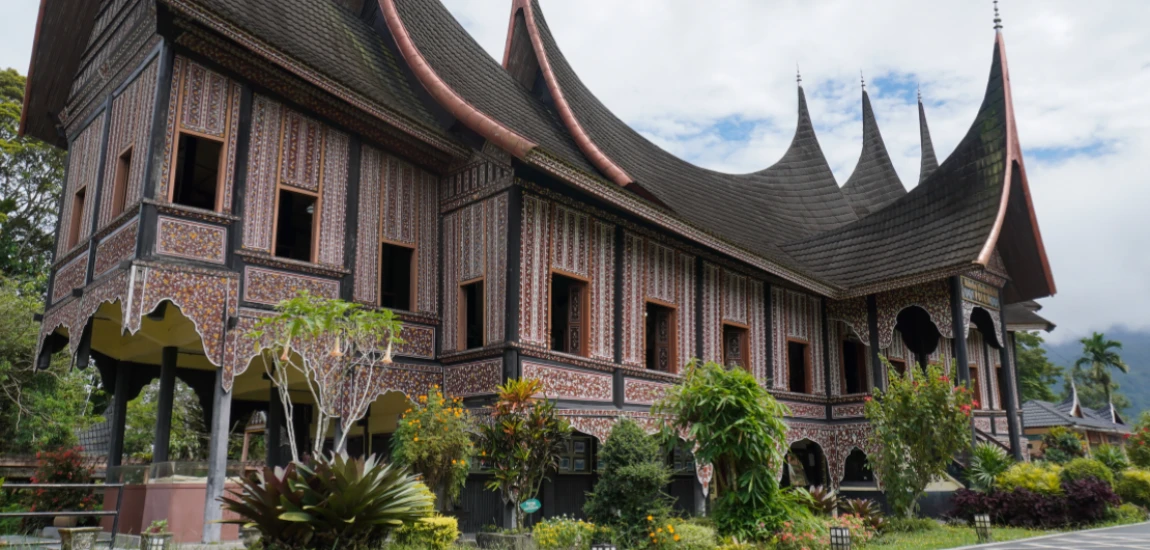
Cultural heritage is much more than historic buildings, monuments, museums, and archaeological sites. It also includes the traditions, knowledge, skills, languages, food practices, music, crafts, celebrations, storytelling, and everyday customs that communities continue to practice and pass from one generation to another.
Tourism can provide valuable opportunities for protecting these living traditions. Visitors often want to understand local culture, taste traditional food, learn crafts, listen to stories, attend cultural events, and participate in authentic community experiences. This interest can create income for cultural practitioners and encourage younger generations to continue traditional practices.
However, tourism can also create challenges. When traditions are changed entirely to satisfy visitor expectations, cultural practices may become commercialized or disconnected from their original meaning. Increased tourism can also place pressure on historic neighborhoods, sacred places, traditional environments, and community spaces.
Cultural Heritage Continuity Networks provide a framework for connecting tourism with the long-term protection and transmission of living heritage. These networks can connect cultural practitioners, communities, tourism businesses, educators, heritage organizations, visitors, and local authorities.
The objective is not to freeze traditions in the past. Living heritage naturally changes as communities adapt to new circumstances. The goal is to create conditions in which traditions can continue to evolve while remaining meaningful to the people who practice them.
Tourism can become one part of this process by creating responsible economic opportunities, increasing awareness, supporting cultural education, and encouraging investment in heritage protection.
Understanding Cultural Heritage Continuity Networks

Cultural Heritage Continuity Networks are interconnected systems that bring together tourism and cultural stakeholders to support the continuation of living traditions. These networks recognize that cultural heritage exists within communities rather than only inside formal heritage institutions.
Living traditions are practiced by people. Their survival depends on knowledge transmission, community participation, appropriate resources, and opportunities for future generations to continue practicing them.
Defining Living Cultural Heritage
Living heritage can include traditional crafts, oral traditions, music, dance, food preparation, festivals, agricultural knowledge, traditional architecture, storytelling, rituals, and other community practices.
Some traditions may be practiced publicly, while others may be private or culturally sensitive.
Tourism planners should understand that not every cultural practice needs to become a tourism product.
Respecting community decisions is an essential part of responsible cultural tourism.
Connecting Cultural Practitioners With Tourism
Cultural practitioners often possess specialized knowledge that cannot easily be recreated through written documentation alone.
Craft makers, musicians, cooks, storytellers, artisans, performers, farmers, and community elders can contribute to tourism experiences when they choose to participate.
Tourism networks can connect these practitioners with hotels, tour operators, cultural centers, museums, restaurants, and visitors.
This can create economic opportunities while increasing visibility for traditional knowledge.
Supporting Continuity Rather Than Simple Preservation
Preservation can sometimes imply keeping cultural practices unchanged.
Living heritage requires a more flexible approach.
Traditions can adapt to new materials, technologies, audiences, and social conditions while maintaining their cultural significance.
Cultural Heritage Continuity Networks can support this evolution by creating opportunities for communities to decide how their traditions are practiced, taught, represented, and shared.
Supporting Local Communities and Cultural Practitioners

Local communities are at the center of cultural heritage continuity. Tourism strategies that exclude community members can create experiences that look culturally attractive but provide limited value to the people whose heritage is being presented.
Community participation can make cultural tourism more meaningful and sustainable.
Creating Economic Opportunities for Practitioners
Tourism can provide direct income for people who maintain traditional skills.
Visitors may purchase locally produced crafts, attend workshops, participate in cooking experiences, hire community guides, or attend cultural performances.
Fair payment is important.
Cultural practitioners should receive appropriate compensation for their time, knowledge, creative work, and participation.
Revenue-sharing arrangements can also help ensure that tourism benefits reach the wider community.
Encouraging Youth Participation
Cultural continuity depends heavily on knowledge transfer between generations.
Young people may face economic pressures that encourage them to leave traditional occupations.
Tourism can create new pathways by showing that traditional knowledge and cultural skills can have contemporary economic value.
Apprenticeship programs, craft schools, cultural entrepreneurship programs, and community workshops can connect younger generations with heritage practices.
Strengthening Community Decision-Making
Communities should have meaningful opportunities to participate in tourism planning.
They can help decide which traditions should be shared with visitors, how cultural experiences should be presented, and what boundaries should be respected.
Community-led tourism models can provide stronger local control over cultural representation.
This helps reduce the risk of tourism development becoming disconnected from community values.
Designing Responsible Tourism Experiences Around Living Traditions

Tourism experiences can help visitors understand cultural heritage when they are designed carefully. The focus should be on meaningful learning and respectful interaction rather than simply creating entertainment.
Developing Authentic Cultural Experiences
Authentic cultural tourism can involve workshops, demonstrations, guided heritage walks, local food experiences, storytelling, traditional music, craft activities, and community events.
The experience should reflect the community's actual cultural practices rather than creating artificial versions solely for tourists.
Visitors can gain deeper understanding when practitioners explain the meaning and history behind an activity.
Protecting Sensitive Cultural Practices
Not every tradition is appropriate for tourism.
Some cultural practices may have spiritual, sacred, private, or community-specific meanings.
Tourism organizations should respect boundaries established by cultural practitioners and communities.
Responsible tourism may sometimes mean telling visitors that a particular practice cannot be photographed, recorded, commercialized, or observed.
This can strengthen cultural respect rather than reduce the value of the tourism experience.
Creating Small-Scale Cultural Encounters
Smaller experiences can sometimes provide more meaningful interaction than large performances designed for mass audiences.
Small workshops, guided neighborhood experiences, local food sessions, artisan visits, and storytelling programs can allow visitors to engage more directly with cultural practitioners.
These experiences can also distribute tourism spending across local communities.


Ben Schlappig runs "One Mile at a Time," focusing on aviation and frequent flying. He offers insights on maximizing travel points, airline reviews, and industry news.
Ben Schlappig

Prev Post

Next Post