
Heritage Tourism Innovation: How Digital Technology Can Protect Endangered Cultural Sites
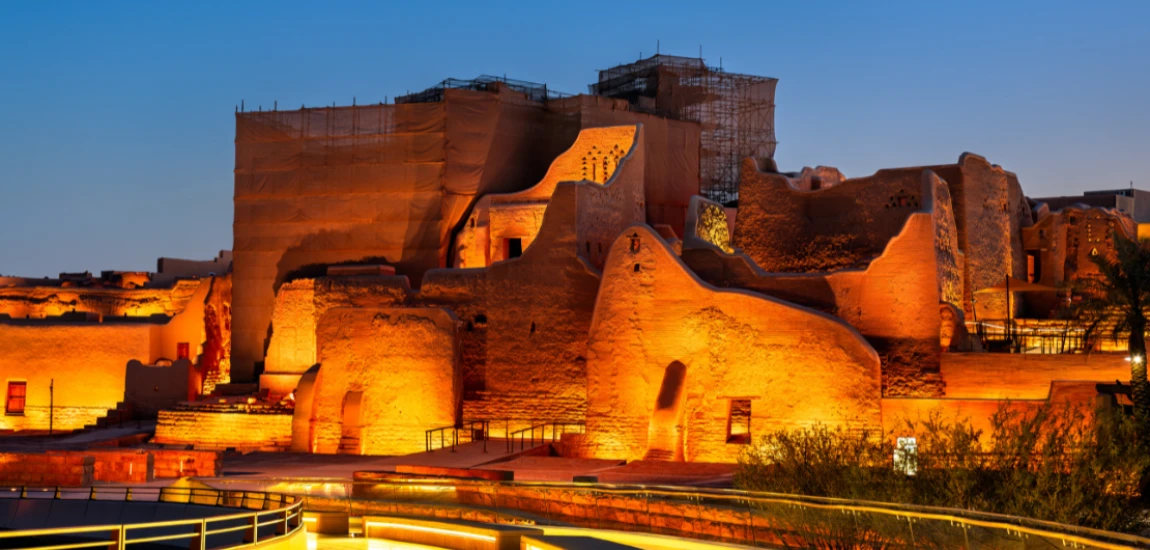
Cultural heritage sites connect people with the history, identity, traditions, and achievements of previous generations. Ancient temples, historic cities, archaeological ruins, monuments, traditional villages, sacred landscapes, museums, and architectural landmarks all provide valuable connections to the past. They also support tourism economies by attracting visitors who want to understand the stories behind different civilizations and cultures.
However, many heritage sites are increasingly vulnerable. Climate change, rising sea levels, extreme weather, pollution, urban development, overcrowding, natural deterioration, conflict, poor maintenance, and insufficient funding can threaten irreplaceable cultural resources. Once an important structure or cultural artifact is destroyed, its original form may never be completely recovered.
This is where heritage tourism innovation can play an important role. Digital technology is creating new ways to document cultural sites, monitor physical changes, preserve historical information, educate visitors, and provide virtual access to fragile locations. Technologies such as 3D laser scanning, drones, artificial intelligence, geographic information systems, augmented reality, virtual reality, digital photography, and cloud-based archives can create detailed records of heritage assets.
Digital preservation does not mean replacing physical heritage. Instead, it provides an additional layer of protection. If a building is damaged, a detailed digital model can help conservation specialists understand its original structure. If a fragile archaeological site cannot safely accommodate large numbers of visitors, virtual experiences can provide alternative access. If traditional knowledge is at risk of disappearing, digital storytelling can preserve community voices for future generations.
The future of heritage tourism therefore depends on finding a balance between access and protection. Technology can help destinations welcome visitors while reducing unnecessary pressure on vulnerable cultural resources.
Why Endangered Cultural Heritage Needs New Protection Strategies

Cultural heritage sites face a wide range of threats, and traditional preservation methods alone may not always be sufficient. Digital technology can provide conservation teams with more detailed information, faster monitoring, and new ways to understand changes over time.
Climate Change and Environmental Damage
Climate change is becoming an important concern for heritage conservation. Rising temperatures, changing rainfall patterns, flooding, coastal erosion, storms, wildfires, and humidity can damage historic structures and archaeological sites.
Stone can deteriorate through repeated exposure to moisture and temperature changes. Wooden structures may become more vulnerable to humidity, pests, or extreme weather. Coastal heritage sites can face erosion as sea levels rise and storms become more damaging.
Digital documentation allows conservation specialists to create detailed records before damage occurs. High-resolution photographs, 3D scans, drone imagery, and geographic mapping can establish a digital baseline that can later be compared with new data.
This makes it easier to identify deterioration and prioritize conservation work.
Tourism Pressure and Physical Deterioration
Tourism provides important income for heritage destinations, but excessive visitation can create physical and environmental pressure. Foot traffic can damage fragile floors, walls, paintings, archaeological remains, and landscapes.
Digital tools can help destinations understand visitor movement. Sensors, digital ticketing systems, and mapping technologies can reveal which areas receive the highest visitor pressure.
Destinations can then introduce timed entry, alternative routes, restricted zones, or virtual experiences for particularly fragile areas.
Conflict, Neglect, and Urban Development
Heritage sites can also be threatened by conflict, inadequate maintenance, development, and neglect. Detailed digital documentation provides an important record of what exists today.
Even when physical preservation becomes difficult, digital records can protect historical knowledge and potentially support future restoration.
How 3D Technology Is Transforming Heritage Preservation

Three-dimensional documentation is one of the most powerful developments in modern heritage conservation. It allows specialists to capture the shape, dimensions, textures, and structural details of buildings and archaeological sites with remarkable precision.
3D Laser Scanning and Photogrammetry
Laser scanning can capture millions of measurements from a physical structure and convert them into detailed digital models. Photogrammetry uses photographs taken from multiple angles to reconstruct three-dimensional environments.
Together, these techniques can document everything from large historic buildings to small archaeological objects.
The resulting models can provide conservation specialists with detailed information about walls, columns, sculptures, roofs, decorative features, and other architectural elements.
Creating Digital Twins of Heritage Sites
A digital twin is a detailed digital representation of a physical place or object. For heritage conservation, it can provide a continually updated reference for monitoring and research.
Conservation teams can compare scans from different years to identify cracks, structural movement, erosion, or missing features.
This turns heritage preservation into a more data-driven process.
Supporting Restoration and Research
Digital models can also assist architects, archaeologists, historians, and engineers.
If part of a structure becomes damaged, specialists can examine earlier digital records to understand its dimensions and construction details. Researchers can also use digital models to study architectural techniques without physically interacting with fragile structures.
This reduces unnecessary contact while expanding research opportunities.
Virtual Reality and Augmented Reality for Heritage Tourism

Virtual reality and augmented reality are changing how visitors experience cultural heritage. These technologies can increase access while helping reduce physical pressure on vulnerable sites.
Virtual Access to Fragile Locations
Some heritage environments are too fragile to accommodate large numbers of visitors. Others may be located in remote areas or have restricted access for conservation reasons.
Virtual reality can create immersive digital experiences that allow visitors to explore reconstructed environments without physically entering sensitive areas.
This can be particularly useful for archaeological sites, underground structures, ancient interiors, and conservation zones.
Reconstructing Lost Historical Environments
Many historic buildings no longer exist in their original form. Digital reconstruction can help visitors visualize what a site may have looked like in the past.
A virtual experience could show historical architecture, streets, landscapes, clothing, tools, or cultural activities while clearly identifying reconstructed elements.
This adds educational value to heritage tourism and helps visitors understand historical context.
AR Experiences at Physical Sites
Augmented reality can add digital information to real-world heritage environments. Visitors could point a smartphone or AR device toward a building and see historical information, translations, reconstructed features, or interactive stories.
Instead of relying entirely on signs, travelers can explore heritage sites through layered digital storytelling.
This can make cultural tourism more engaging while helping visitors understand why conservation matters.
Artificial Intelligence and Digital Archives for Cultural Preservation

Artificial intelligence and digital archives can help preserve enormous amounts of historical information. Heritage preservation is not only about protecting buildings. It also involves safeguarding stories, documents, languages, photographs, artifacts, and traditional knowledge.
Digitizing Historical Collections
Museums, libraries, archives, and heritage organizations can digitize photographs, manuscripts, maps, documents, artworks, and other cultural materials.
Digital archives allow researchers and students to access information without repeatedly handling fragile originals.
Cloud-based preservation can also provide additional copies of important cultural records, reducing the risk of complete information loss from physical damage.
AI-Powered Analysis
Artificial intelligence can assist researchers in organizing large collections of historical materials. Image recognition may help identify objects, while language technologies can assist with transcription, translation, and cataloging.
AI can also support the analysis of historical photographs and documents, helping researchers identify patterns that might otherwise take significant amounts of time to discover.
However, AI-generated interpretations should be reviewed by qualified historians, archaeologists, conservators, and local cultural experts.
Preserving Oral Traditions and Community Knowledge
Cultural heritage includes intangible traditions such as songs, stories, languages, recipes, crafts, rituals, and traditional ecological knowledge.
Digital recording can preserve interviews and community stories for future generations.
Most importantly, communities should control how their cultural knowledge is recorded, stored, accessed, and shared. Technology should protect cultural ownership rather than remove it.


Anil Polat, behind the blog "FoxNomad," combines technology and travel. A computer security engineer by profession, he focuses on the tech aspects of travel.
Anil Polat

Prev Post

Next Post