
Heritage Preservation Through Tourism: How Digital Mapping, 3D Scanning, and AI Could Protect Endangered Cultural Sites
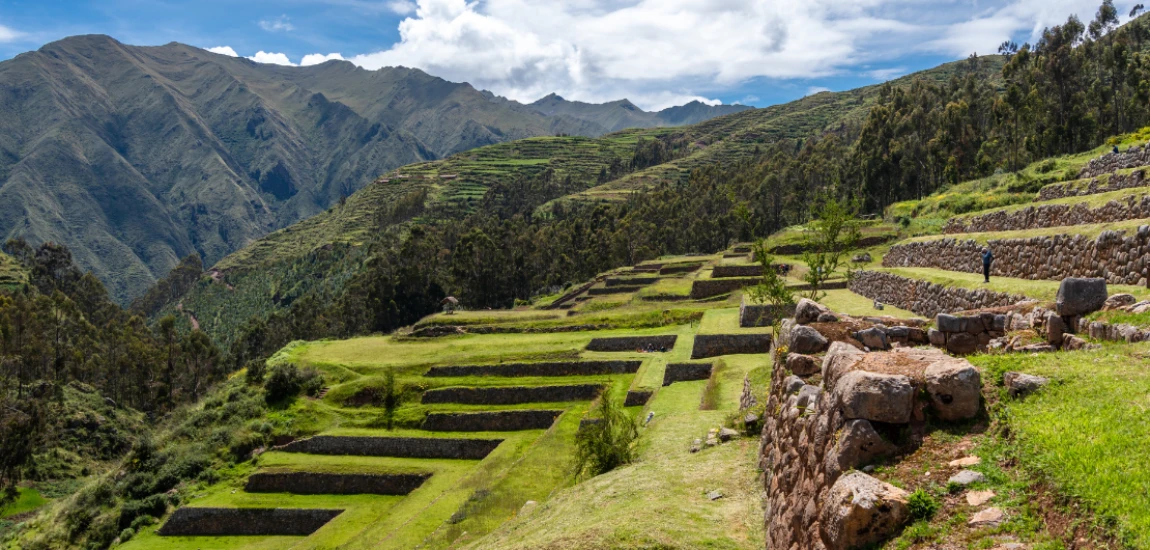
Cultural heritage connects communities with their history, identity, traditions, architecture, and collective memory. Ancient buildings, archaeological sites, historic neighborhoods, monuments, religious structures, traditional landscapes, and cultural artifacts provide valuable evidence of how societies developed over generations.
Yet cultural heritage is increasingly vulnerable.
Climate change, extreme weather, urban development, pollution, conflict, natural disasters, neglect, mass tourism, and the gradual loss of traditional knowledge can threaten cultural sites around the world. Once a historic structure is destroyed or an important cultural landscape is permanently altered, restoration may be difficult or even impossible.
This is where heritage preservation through tourism can become increasingly important.
Tourism has traditionally been viewed as both an opportunity and a challenge for cultural heritage. Visitors can generate revenue that supports conservation, but excessive tourism can also contribute to overcrowding, physical damage, waste, and environmental pressure.
Emerging technologies could help create a more balanced approach.
Digital mapping can create detailed records of heritage landscapes. Three-dimensional scanning can capture architectural structures with remarkable precision. Artificial intelligence can analyze large collections of images, documents, and environmental data to identify risks and support conservation planning.
These technologies can create digital records that remain valuable even if physical heritage is damaged.
At the same time, tourism can provide funding, public awareness, education, and community participation.
The future of cultural preservation could therefore combine technology, tourism, conservation science, and local knowledge to protect heritage before it disappears.
Understanding the Role of Tourism in Heritage Preservation

Tourism as a Source of Conservation Funding
Cultural preservation requires resources.
Historic buildings need maintenance, archaeological sites require monitoring, and traditional cultural practices often depend on people having sustainable livelihoods.
Tourism can provide revenue through entrance fees, guided tours, accommodation, cultural experiences, museum tickets, local transportation, and community-based activities.
When tourism revenue is intentionally directed toward conservation, visitors can become contributors to heritage preservation.
A small portion of a ticket price, for example, could help fund structural repairs, archaeological documentation, site monitoring, or community heritage programs.
The important issue is transparency.
Visitors are more likely to support conservation when they understand where their money goes.
Creating Awareness Through Travel
Tourism can also make cultural heritage more visible.
A traveler who visits an archaeological site may develop a deeper understanding of its history and become more interested in protecting similar places.
Museums, heritage trails, guided tours, digital storytelling, and community-led experiences can turn tourism into an educational activity.
Instead of treating heritage as something to photograph quickly, travelers can learn why a site matters and what challenges it faces.
Avoiding Tourism-Driven Damage
Tourism itself must be carefully managed.
Heavy foot traffic can damage fragile structures. Large crowds can accelerate deterioration. Poorly designed visitor facilities can affect historic landscapes.
Heritage preservation therefore requires visitor management.
Timed entry, visitor limits, designated routes, digital alternatives, conservation zones, and responsible tourism guidelines can help reduce physical pressure.
The objective is to ensure that tourism supports heritage rather than becoming another threat.
How Digital Mapping Could Document Cultural Heritage

Creating Detailed Heritage Maps
Digital mapping allows conservation teams to create detailed geographic records of cultural sites.
Using satellite imagery, drones, geographic information systems, and other mapping technologies, experts can document buildings, landscapes, archaeological areas, and surrounding environments.
These maps can show where structures are located, how sites have changed, and which areas may be vulnerable.
Digital mapping is particularly useful for large cultural landscapes where traditional documentation methods may be slow and difficult.
Monitoring Changes Over Time
One of the greatest advantages of digital mapping is the ability to compare information over time.
A heritage organization can create a digital record of a site and periodically update it.
Changes in vegetation, erosion, flooding, construction, structural conditions, or land use can then be identified.
This creates an early-warning system for heritage managers.
Instead of discovering damage only after it becomes severe, conservation teams can potentially identify changes earlier and prioritize intervention.
Connecting Heritage Sites With Local Communities
Digital heritage maps can also make cultural information more accessible.
Interactive maps can identify historic buildings, traditional neighborhoods, archaeological locations, cultural landscapes, craft centers, and community heritage projects.
Local residents can contribute stories, photographs, historical information, and oral histories.
This creates a richer record than a purely technical map.
Community participation also helps ensure that digital heritage preservation reflects local perspectives rather than only outside interpretations.
Using 3D Scanning to Preserve Endangered Structures

Creating Digital Copies of Physical Heritage
Three-dimensional scanning can capture the shape and physical characteristics of buildings, monuments, sculptures, archaeological remains, and other heritage objects.
The resulting digital models can provide detailed documentation of the current condition of a site.
If a structure is later damaged, the digital model may help architects, engineers, archaeologists, and conservators understand what existed before the damage occurred.
This makes 3D scanning a valuable tool for heritage documentation.
Supporting Restoration and Conservation
Digital models can also assist restoration work.
Conservation professionals can use detailed scans to identify cracks, deformation, missing architectural elements, and other changes.
Comparing scans from different years can reveal whether structural conditions are deteriorating.
This information can help teams prioritize repairs.
Digital models may also support planning by allowing specialists to test restoration approaches virtually before making physical changes.
Creating Virtual Access for Travelers
3D scanning can also transform tourism.
Fragile or restricted heritage sites can be made accessible through virtual experiences.
Travelers could explore detailed digital reconstructions through websites, museums, virtual reality, or immersive cultural platforms.
This can reduce physical pressure on extremely sensitive locations while still allowing people to learn about them.
Virtual access should complement—not replace—the preservation of real heritage.
How AI Could Strengthen Cultural Heritage Protection

Detecting Early Signs of Damage
Artificial intelligence can analyze large quantities of visual and environmental data.
AI systems could potentially compare photographs, scans, satellite images, and sensor information to identify changes in heritage structures.
For example, algorithms may help detect patterns associated with cracks, erosion, vegetation growth, water damage, or structural deterioration.
Human experts would still need to evaluate these findings, but AI could help them process information more efficiently.
Organizing Historical Archives
Heritage organizations often manage enormous collections of documents, photographs, maps, recordings, and archaeological records.
AI can help organize and search these archives.
Images can be categorized, documents can be indexed, and historical records can become easier to access.
This is particularly useful when information is scattered across institutions.
Digitization combined with intelligent search could make heritage research more efficient.
Predicting Environmental Risks
AI could also contribute to predictive conservation.
By combining historical environmental information with current conditions, systems could help identify sites vulnerable to flooding, heat, erosion, wildfires, humidity, or other risks.
Conservation teams could use these insights to prioritize monitoring and protective measures.
However, AI predictions should be treated as decision-support tools rather than perfect forecasts.


Gary Arndt operates "Everything Everywhere," a blog focusing on worldwide travel. An award-winning photographer, Gary shares stunning visuals alongside his travel tales.
Gary Arndt

Prev Post

Next Post