
Digital Nomad Destination Ecosystems: How Cities Could Redesign Infrastructure for Long-Term Remote Workers and Local Communities
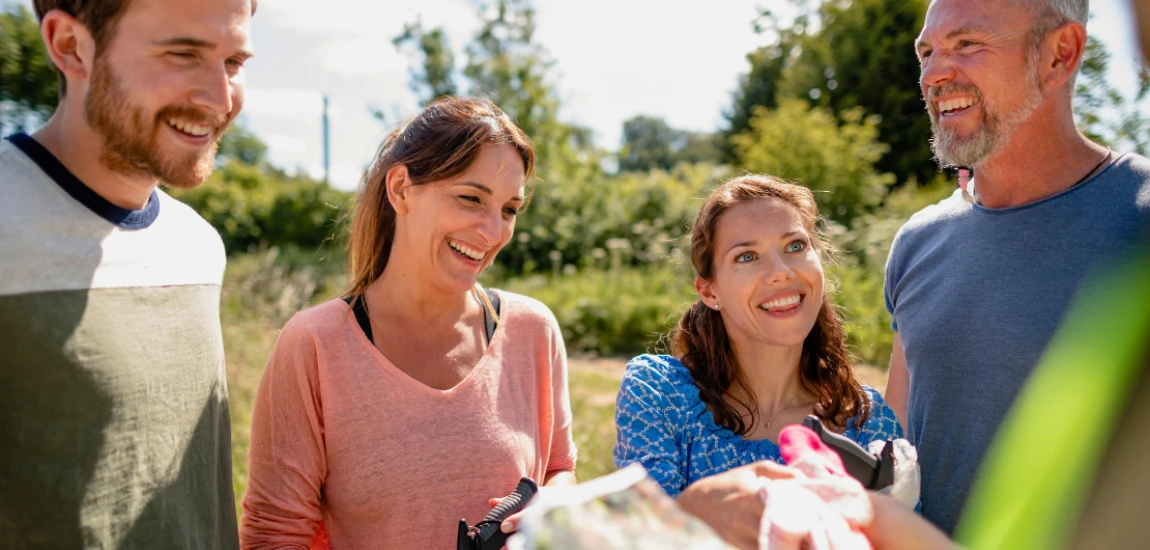
The rise of remote work is changing the relationship between people and places. A growing number of professionals can now work from almost anywhere with a reliable internet connection, suitable workspace, and access to essential services. Instead of traveling only for short holidays, these workers may stay in destinations for weeks or months while continuing their professional lives.
This shift has created a new tourism and urban-development opportunity: digital nomad destination ecosystems.
A digital nomad destination ecosystem is more than a city with fast Wi-Fi and several coworking spaces. It is a connected environment designed to support long-term remote workers while also protecting housing affordability, public infrastructure, local businesses, community identity, and quality of life for residents.
Cities that want to attract remote professionals may need to rethink how accommodation, transportation, public spaces, coworking facilities, healthcare, digital connectivity, recreation, and community services work together.
The objective should not be to build cities exclusively for digital nomads. Instead, destinations can create systems where remote workers contribute to the local economy without displacing residents or putting excessive pressure on infrastructure.
The future of remote work tourism could therefore depend less on attracting the largest possible number of digital nomads and more on creating balanced, inclusive, and sustainable destination ecosystems.
Designing Infrastructure for the Long-Term Remote Worker

Beyond Fast Wi-Fi and Coworking Spaces
Reliable internet is essential for remote workers, but connectivity alone does not make a destination suitable for long-term stays. A digital nomad may need quiet workspaces, stable electricity, comfortable accommodation, transportation, healthcare, grocery stores, recreational facilities, and reliable public services.
Cities can therefore approach remote work infrastructure as an interconnected system.
Coworking spaces can become only one part of the ecosystem. Libraries, cafés, community centers, public parks, transportation hubs, and other shared spaces can also provide flexible environments for remote professionals.
The result could be a city where people can work productively without spending every day inside a private office.
Building Reliable Digital Infrastructure
Remote work depends heavily on digital connectivity.
Cities hoping to attract long-term remote workers can prioritize high-speed broadband, widespread mobile connectivity, dependable electricity, public Wi-Fi in appropriate areas, and resilient digital infrastructure.
Reliability may be more important than headline internet speeds. A remote worker attending an international meeting needs a stable connection and dependable power more than an impressive theoretical download number.
Backup infrastructure can also improve resilience during outages or extreme weather.
Creating Work-Friendly Public Spaces
Public spaces can play a larger role in remote-work ecosystems.
Well-designed parks, libraries, waterfront areas, plazas, and community facilities can provide opportunities to work, meet people, relax, and participate in local life.
However, these spaces should remain primarily public assets rather than being redesigned exclusively around tourists.
The strongest approach is to create infrastructure that improves everyday life for residents while also serving visiting professionals.
Creating Housing Systems That Work for Nomads and Residents

Addressing Long-Term Accommodation Needs
Housing is one of the most important issues facing digital nomad destinations.
Remote workers staying for several months need different accommodation options from traditional tourists. They may prefer furnished apartments, extended-stay hotels, coliving spaces, serviced apartments, or residential rentals with work-friendly layouts.
Cities can encourage a diverse range of accommodation without allowing short-term rentals to consume excessive amounts of residential housing.
The goal should be balance.
A destination that attracts remote workers but makes housing unaffordable for residents is not creating a sustainable tourism ecosystem.
Preventing Housing Pressure
Digital nomad demand can contribute to rising rents in popular neighborhoods when supply is limited.
Destination planners can monitor housing affordability and rental-market conditions before aggressively promoting remote-work tourism.
Policies may include limits on certain short-term rentals, incentives for long-term housing, zoning approaches, or requirements that tourism developments contribute to local housing goals.
The specific solution will depend on the city's housing market and legal environment.
Developing Purpose-Built Coliving Options
Purpose-built coliving can provide another option for long-term remote workers.
Well-designed properties can combine private living spaces with shared kitchens, lounges, meeting rooms, gardens, and work areas.
When responsibly developed, these spaces can reduce pressure on traditional housing markets by creating accommodation specifically designed for temporary residents.
However, affordability and community integration should remain important considerations.
Coliving should not become another form of luxury tourism disconnected from local neighborhoods.
Connecting Digital Nomads With Local Communities and Businesses

Moving Beyond the Digital Nomad Bubble
One major risk of remote-work tourism is social isolation.
Digital nomads can sometimes spend their entire stay inside international coworking spaces, restaurants, and online communities without developing meaningful relationships with residents.
Destination ecosystems can address this by creating opportunities for cultural exchange.
Community events, workshops, sports activities, local markets, volunteering opportunities, language exchanges, and neighborhood programs can help remote workers become temporary members of the community rather than isolated visitors.
Supporting Local Businesses
Digital nomads can contribute significantly to local economies when their spending reaches locally owned businesses.
Cities can encourage connections between remote workers and independent cafés, restaurants, retailers, cultural organizations, guides, creative businesses, and service providers.
Local-first tourism platforms could highlight businesses that are locally owned and provide information about community events and experiences.
This creates a more distributed economic model.
Instead of remote workers spending most of their income inside international chains or specialized digital-nomad businesses, more money can circulate through the wider local economy.
Encouraging Knowledge Exchange
Remote professionals often bring useful skills and international experience.
Local universities, entrepreneurs, startups, nonprofits, and business communities can create programs that connect digital nomads with residents.
Workshops, mentorship programs, professional events, startup collaborations, and creative projects can turn temporary visitors into contributors.
This creates a two-way relationship: digital nomads gain local knowledge and cultural experiences, while communities gain access to new ideas, skills, and international networks.
Redesigning Mobility, Public Services, and Everyday Convenience

Making Cities Easy to Navigate Without Cars
Long-term remote workers need practical mobility.
Walkable neighborhoods, cycling infrastructure, reliable public transportation, micromobility options, and safe pedestrian routes can make destinations easier to experience without depending heavily on private cars.
This benefits both visitors and residents.
A remote worker who can walk from accommodation to a coworking space, grocery store, café, park, and public transportation stop may have a more enjoyable experience while creating less traffic and pollution.
Integrating Work and Everyday Life
A successful digital nomad destination does not need to create a separate “remote worker district.”
Instead, work opportunities can be integrated into existing neighborhoods.
Libraries, cafés, community centers, coworking spaces, and mixed-use developments can provide flexible work environments close to housing and everyday services.
This can encourage more natural interaction between visitors and residents.
Strengthening Essential Services
Long-term visitors use more than tourism services.
They may require healthcare, banking, pharmacies, grocery delivery, postal services, childcare, fitness facilities, and other everyday infrastructure.
Cities that want to support extended stays should consider whether these services can handle additional demand.
Digital platforms can simplify access, but physical capacity remains important.
The best destination ecosystem is one where remote workers can comfortably participate in ordinary city life without creating excessive pressure on local systems.


Gary Arndt operates "Everything Everywhere," a blog focusing on worldwide travel. An award-winning photographer, Gary shares stunning visuals alongside his travel tales.
Gary Arndt

Prev Post
Next Post