
Authentic Local Travel: How to Experience Culture Beyond Tourist Attractions
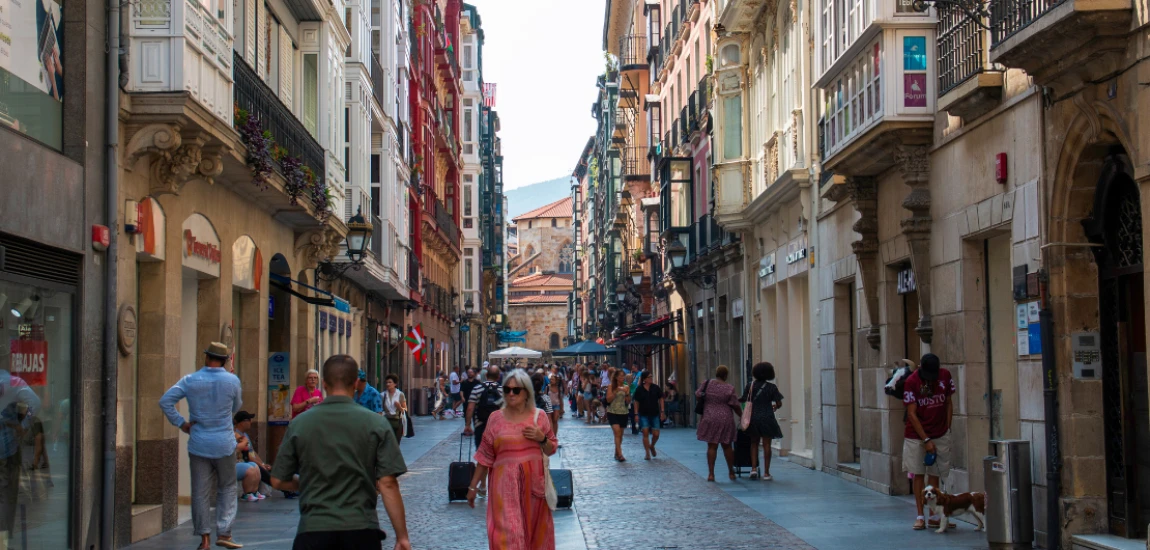
Traveling to a new destination is often presented as a checklist of famous landmarks. Visitors arrive with lists of museums, monuments, restaurants, viewpoints, shopping streets, and attractions they are expected to experience before leaving. While these places can be important and worthwhile, they represent only one part of a destination's identity.
Authentic local travel takes a different approach. Instead of focusing exclusively on famous attractions, it encourages travelers to understand how people actually live, work, eat, socialize, celebrate, and move through their communities.
This does not mean avoiding popular landmarks completely. Rather, it means creating space for experiences beyond them. A traveler might explore a residential neighborhood, eat at a family-owned restaurant, visit a local market, attend a community event, learn a traditional craft, use public transportation, or simply spend time observing everyday life.
Authentic travel also requires respect. Local communities are not attractions created for visitors. They are living communities with their own traditions, values, routines, and concerns. Meaningful cultural travel therefore involves curiosity without intrusion.
When travelers move beyond conventional sightseeing, they often discover a richer and more nuanced version of a destination. The most memorable experience might not be the famous monument photographed by millions of people. It could be a conversation with a shopkeeper, a regional dish shared at a small restaurant, or an ordinary neighborhood discovered while walking without a strict itinerary.
Understanding Authentic Local Travel

Moving Beyond the Tourist Checklist
Traditional tourism often encourages travelers to measure success by the number of attractions they visit. A trip can become a race from one landmark to another, with little time to understand the surrounding community.
Authentic local travel focuses on depth rather than quantity.
Instead of asking, "How many attractions can I see today?" travelers can ask, "What can I learn about this place today?"
This simple change can transform the travel experience. A visitor might spend an afternoon exploring one neighborhood rather than traveling across an entire city to see several famous sites.
Authenticity Is More Than Finding Hidden Places
Travelers sometimes assume that an authentic experience must be completely unknown to tourists. That is not necessarily true.
A popular local market can still provide genuine cultural insight. A famous restaurant can still represent an important culinary tradition. A well-known festival can still have deep meaning for the community.
Authenticity is not determined solely by popularity. It depends on context, participation, respect, and understanding.
The goal is not to avoid anything that other tourists visit. It is to develop a broader relationship with the destination.
Becoming an Observer and Participant
Authentic cultural travel requires travelers to slow down and observe.
Pay attention to how people use public spaces, what foods appear in local markets, how neighborhoods are organized, and what traditions are practiced.
When appropriate, travelers can also participate through respectful activities such as cooking classes, cultural workshops, local tours, or community events.
Exploring Local Neighborhoods and Everyday Life

Walk Beyond the Main Tourist Districts
One of the simplest ways to experience local culture is to walk beyond the areas designed primarily for visitors.
Residential neighborhoods often reveal a different side of a destination. Travelers may find local cafés, bakeries, bookstores, parks, schools, markets, and small businesses that are absent from standard sightseeing routes.
Walking also allows visitors to notice details they might miss from a vehicle.
Architecture, street art, public gardens, neighborhood shops, and everyday routines can provide valuable cultural context.
Spend Time in Local Public Spaces
Public spaces can offer a window into community life. Parks, plazas, markets, waterfronts, libraries, and neighborhood squares often function as gathering places.
Travelers can respectfully spend time in these spaces and observe how residents use them.
The key is to behave as a respectful visitor rather than treating everyday life as a performance created for tourists.
Learn the Rhythm of the Neighborhood
Every destination has its own rhythm. Some places begin the day early, while others become active later in the evening.
Meal times, market hours, work schedules, social traditions, and public gatherings can all reveal aspects of local culture.
Travelers who stay long enough to notice these patterns often gain a stronger understanding of how the destination functions beyond its attractions.
Discovering Local Food and Culinary Traditions

Eat Regional Dishes
Food is one of the most accessible ways to connect with local culture.
Rather than relying exclusively on international chains or restaurants designed around tourist expectations, travelers can seek regional dishes and locally established eateries.
A traditional meal can reveal information about geography, history, agriculture, migration, and cultural exchange.
Travelers should also be open to discovering dishes they have never heard of.
Visit Markets and Small Food Businesses
Local markets provide more than food. They can reveal how communities shop, what ingredients are common, and how food is prepared and sold.
Bakeries, family-run cafés, street-food stalls, and neighborhood restaurants can also create opportunities to experience everyday culinary culture.
Travelers should research local etiquette before photographing vendors or people and should always respect restrictions around photography.
Learn the Story Behind the Food
Instead of simply asking what a dish is called, travelers can ask about its origin, ingredients, preparation, or cultural significance when appropriate.
Cooking classes and food tours led by knowledgeable locals can provide deeper context.
Food becomes more meaningful when travelers understand the story behind what they are eating.
Connecting With Local People Respectfully

Choose Community-Based Experiences
Local guides, artisans, cultural educators, independent businesses, and community organizations can provide perspectives that are difficult to obtain from generic travel guides.
Travelers can look for experiences where local residents are active participants and beneficiaries.
These might include neighborhood walks, craft workshops, cooking lessons, farm visits, cultural events, or locally operated tours.
The experience should create value for both visitors and hosts.
Learn Basic Local Language
Even learning a few words in the local language can change interactions.
Simple greetings, thank-you expressions, and polite phrases demonstrate effort and respect.
Travelers do not need to become fluent. The goal is to show willingness to engage with the culture rather than expecting everyone to communicate according to the visitor's language.
Respect Personal Boundaries
Authentic travel does not mean having unlimited access to people's private lives.
Travelers should ask permission before photographing people, homes, religious ceremonies, or community events when appropriate.
They should also avoid intrusive questions and respect situations where people do not want to interact.
Cultural curiosity becomes meaningful when it is balanced with consideration.


Ben Schlappig runs "One Mile at a Time," focusing on aviation and frequent flying. He offers insights on maximizing travel points, airline reviews, and industry news.
Ben Schlappig

Prev Post

Next Post