
Dynamic Visitor Distribution Models – Improving Tourist Movement Across Destinations

Tourism destinations often face an uneven distribution of visitors. One attraction may become extremely crowded while nearby neighborhoods, cultural sites, nature areas, and local businesses receive relatively few visitors. This concentration can create congestion, long waiting times, environmental pressure, transportation problems, and frustration for both tourists and residents.
At the same time, under-visited areas may struggle to attract enough tourism activity to support local businesses and generate economic opportunities. This creates an important destination management challenge: How can tourism activity be distributed more effectively across different places and times?
Dynamic Visitor Distribution Models provide a data-driven approach to this challenge. Instead of relying on fixed visitor routes or traditional tourism maps, dynamic models analyze changing visitor demand and conditions to identify opportunities for better tourist distribution.
These models can use visitor flow data, transportation information, attraction capacity, booking patterns, weather conditions, events, real-time congestion information, and traveler preferences. Artificial intelligence and predictive analytics can then help identify potential pressure points and suggest alternative opportunities.
The objective is not simply to move tourists away from popular attractions. Popular destinations and landmarks can remain important parts of the visitor experience. Instead, the aim is to create a wider network of attractions and experiences that allows tourism benefits and visitor activity to be distributed more effectively.
Dynamic visitor distribution can also support sustainable tourism. By reducing excessive concentration, destinations can protect sensitive environments, improve public spaces, reduce congestion, and strengthen lesser-known tourism areas.
For local businesses, better visitor distribution can create new opportunities outside traditional tourism centers. For travelers, it can provide opportunities to discover new experiences and avoid unnecessary waiting and overcrowding.
Understanding Dynamic Visitor Distribution Models

Dynamic Visitor Distribution Models are systems that analyze tourism activity and changing destination conditions to guide or influence how visitors move across different locations and time periods.
Traditional visitor management often depends on static maps, fixed itineraries, or historical assumptions. Dynamic models are different because they respond to changing conditions.
Moving Beyond Fixed Tourist Routes
Traditional tourism routes frequently concentrate visitors around famous attractions. Travelers may follow the same recommended itinerary because it appears on popular websites, maps, brochures, and social media platforms.
While these routes can be convenient, they may create excessive visitor concentration.
Dynamic distribution models can identify alternative attractions and routes based on current conditions.
For example, if one attraction is experiencing heavy congestion, a destination platform could highlight another nearby cultural site, park, market, or experience.
This creates a more flexible tourism journey.
Connecting Visitor Demand With Destination Capacity
Every destination has different levels of capacity. An attraction may have limited physical space, a historic neighborhood may have sensitive infrastructure, or a nature area may require protection from excessive visitor activity.
Dynamic distribution models can compare visitor demand with available capacity.
If demand begins to approach a particular location's capacity, the system can recommend alternatives or adjust visitor management strategies.
This helps destinations respond to pressure before it becomes severe.
Creating a Network of Tourism Experiences
Effective distribution requires more than adding random attractions to a map. Destinations need connected networks of experiences.
A popular landmark could be linked with local restaurants, cultural sites, walking routes, markets, parks, museums, or nearby communities.
When these experiences are connected through transportation and digital information, visitors have more reasons to explore different parts of the destination.
Using Data to Understand Tourist Movement

Data is the foundation of dynamic visitor distribution. To distribute tourism effectively, destination managers need to understand where visitors are coming from, where they go, how long they stay, and what factors influence their movements.
Analyzing Visitor Flow Data
Visitor flow data can come from attraction ticketing systems, transportation records, accommodation information, visitor surveys, mobile applications, and other appropriately governed sources.
Analyzing these datasets can reveal patterns of movement.
For example, a destination might discover that most visitors enter through one transportation hub and travel directly to a major attraction. This could indicate an opportunity to create alternative routes from the same entry point.
Visitor flow analysis can also reveal seasonal, weekly, and daily patterns.
Understanding Time-Based Tourism Patterns
Visitor concentration is often related to time. A destination may be crowded during weekends but relatively quiet during weekdays. An attraction might experience heavy demand between noon and 3 p.m. but have available capacity in the morning.
Dynamic distribution models can identify these patterns and help destinations encourage better timing.
Visitor communication could highlight early-morning experiences, evening activities, weekday cultural events, or alternative attractions.
This can reduce pressure without requiring major infrastructure expansion.
Combining Different Types of Data
Tourism movement is influenced by many factors. Weather, transportation availability, events, prices, opening hours, visitor preferences, and social trends can all affect where tourists go.
Combining these data sources can create a more complete picture.
For example, an outdoor attraction may receive fewer visitors during poor weather, while indoor cultural attractions experience increased demand. A dynamic tourism system can account for these changes when presenting visitor options.
Reducing Overcrowding Through Dynamic Distribution

Overcrowding is one of the most common challenges facing popular tourism destinations. When too many visitors concentrate in the same place at the same time, the quality of the visitor experience can decline while pressure on infrastructure and local communities increases.
Dynamic visitor distribution can help address this challenge.
Identifying Crowded Locations
Real-time and historical data can help tourism managers identify locations that regularly experience high visitor density.
Popular attractions, pedestrian streets, beaches, transportation hubs, and heritage sites can be monitored using appropriate data systems.
When a location approaches a defined operational threshold, managers can introduce measures designed to manage demand.
These measures might include improved visitor information, timed entry, alternative routes, capacity adjustments, or recommendations for nearby experiences.
Encouraging Alternative Attractions
One effective strategy is to provide attractive alternatives rather than simply telling visitors where they should not go.
A destination with a famous historic site could promote nearby museums, local markets, cultural workshops, parks, or neighborhood experiences.
The alternatives should offer genuine value. Visitors are more likely to change their plans when alternative experiences are convenient, interesting, and easy to access.
Improving the Quality of Visitor Experiences
Reducing overcrowding can improve travel experiences. Visitors may spend less time waiting, have more space to explore, and experience attractions in a more comfortable environment.
Distributing visitors can also encourage slower and deeper exploration.
Instead of quickly visiting a single famous landmark, travelers may discover local businesses, cultural spaces, natural areas, and community experiences.
This can create a more diverse tourism experience.
Supporting Lesser-Known Destinations and Local Businesses

Dynamic visitor distribution can have economic benefits beyond congestion management. When tourists explore a wider geographical area, tourism spending can reach businesses and communities that may receive fewer visitors.
Activating Underused Tourism Areas
Many destinations have attractions that receive limited visitor attention despite having cultural, natural, or recreational value.
Dynamic distribution models can identify these underused areas and determine how they could be connected to existing tourism routes.
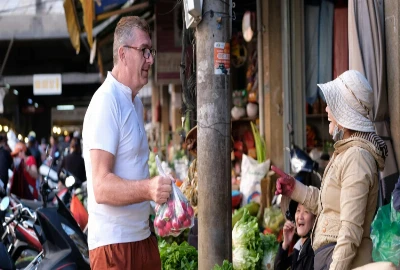
For example, a popular city attraction could be connected with a nearby neighborhood food market, artisan district, cultural center, or nature trail.
This creates opportunities to activate underused tourism spaces.
Increasing Local Economic Opportunities
Visitor distribution can influence where tourists spend money.
If tourism is concentrated around a small number of businesses, economic benefits may also become concentrated.
Distributing visitor activity across neighborhoods can create opportunities for local restaurants, guides, shops, artisans, accommodation providers, and experience operators.
Local tourism businesses can therefore become important partners in visitor distribution strategies.
Creating Micro-Destination Networks
Instead of viewing a destination as one central tourism zone, planners can develop multiple micro-destinations.
Each micro-destination can have its own combination of attractions, businesses, cultural experiences, natural spaces, and visitor services.
Transportation and digital connectivity can then link these areas.
This creates a broader tourism ecosystem and reduces dependence on a single high-pressure location.


Kate McCulley, the voice behind "Adventurous Kate," provides travel advice tailored for women. Her blog encourages safe and adventurous travel for female readers.
Kate McCulley
Prev Post

Next Post