
Local Tourism Wealth Systems – Strengthening Economic Benefits for Communities
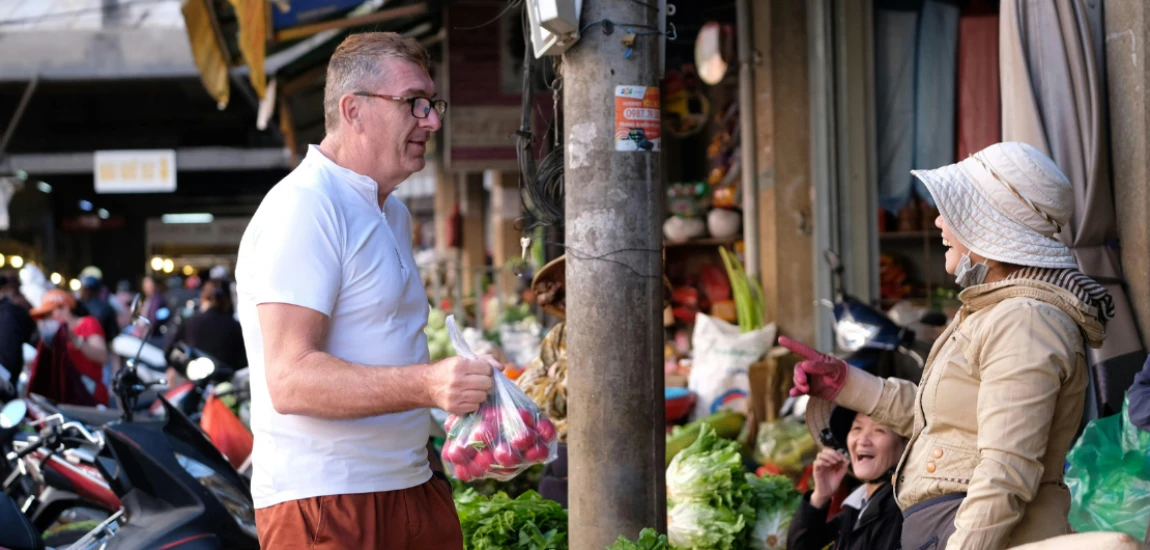
Tourism can generate substantial economic activity for destinations. Visitors spend money on accommodation, restaurants, transportation, attractions, shopping, entertainment, tours, and local experiences. This spending can create employment, support businesses, generate tax revenue, and encourage investment in infrastructure. However, the economic value created by tourism does not always remain within the communities where tourism takes place.
A significant share of tourism spending can leave a destination through externally owned hotels, international booking platforms, imported products, outside suppliers, and businesses headquartered elsewhere. This is often described as tourism economic leakage. When leakage is high, a destination may receive large numbers of visitors without capturing as much long-term local economic value as it could.
Local Tourism Wealth Systems offer a framework for addressing this challenge. The concept focuses on creating stronger connections between visitor spending and local communities. Instead of viewing tourism only as a way to attract more visitors, local tourism wealth systems focus on how tourism revenue circulates within the destination.
This can involve supporting local businesses, encouraging local procurement, developing community-owned tourism enterprises, strengthening local supply chains, creating employment opportunities, promoting local experiences, and improving access to tourism markets.
The goal is not simply to increase tourism revenue. It is to create a tourism economy in which a greater proportion of the value generated by visitors supports residents, entrepreneurs, workers, producers, cultural organizations, and community initiatives.
A strong local tourism economy can also make destinations more resilient. When tourism income is distributed across many local businesses and communities, economic opportunities can become less dependent on a small number of large companies.
Local tourism wealth systems therefore connect tourism development with local economic development, community participation, entrepreneurship, and long-term destination resilience.
Understanding Local Tourism Wealth Systems

Local Tourism Wealth Systems are interconnected strategies designed to increase the amount of tourism-generated economic value that remains within local communities. They focus on strengthening the relationships between visitors, local businesses, workers, producers, community organizations, and destination economies.
Rather than measuring tourism success only by visitor arrivals or total tourism revenue, this approach asks a more detailed question: How much value does tourism actually create for local people?
Moving Beyond Visitor Numbers
High visitor numbers do not automatically mean strong local economic benefits. A destination may attract millions of tourists, but if most spending goes to external businesses or imported goods, the local economic impact may be limited.
Local tourism wealth systems therefore focus on the quality and distribution of tourism spending.
For example, a visitor who stays at a locally owned guesthouse, eats at a family-owned restaurant, hires a local guide, buys locally produced crafts, and participates in a community-led experience may generate a broader local economic impact than a visitor whose spending is concentrated in externally owned businesses.
This does not mean external businesses have no value. They can provide investment, employment, infrastructure, and services. The objective is to create stronger connections between tourism activity and local economic participation.
Understanding Tourism Economic Leakage
Tourism leakage occurs when tourism-related money leaves the local economy. This can happen through external ownership, imported products, outside suppliers, international service providers, or companies based outside the destination.
Reducing unnecessary leakage can increase the amount of tourism value retained locally.
Destinations can examine where tourism businesses purchase goods and services, who owns tourism enterprises, where employees live, and how visitor spending moves through the local economy.
Creating a Circulating Local Tourism Economy
The strongest local tourism economies create circulation. A hotel purchases food from local farmers. The farmers employ local workers. Those workers spend income at local businesses. Visitors purchase local experiences, and guides spend their earnings within the community.
This circulation can create multiplier effects that extend tourism's economic benefits beyond the initial transaction.
Strengthening Local Businesses Through Tourism

Small and locally owned businesses are often an important part of community tourism economies. Restaurants, guesthouses, guides, artisans, transportation providers, farmers, activity operators, and retailers can provide distinctive visitor experiences while keeping tourism spending closer to the destination.
Supporting Local Entrepreneurs
Local entrepreneurs may understand the destination's culture, environment, history, and visitor needs particularly well. However, they can face challenges such as limited access to finance, digital marketing, training, technology, and tourism distribution networks.
Destination organizations can support local entrepreneurs through business training, digital skills programs, networking opportunities, tourism directories, mentoring, and access to markets.
Providing local businesses with greater visibility can help them compete for visitor spending.
Connecting Visitors With Local Experiences
Travelers often seek authentic and meaningful experiences. Community-led tours, food experiences, craft workshops, cultural activities, agricultural visits, nature experiences, and locally guided excursions can create opportunities for residents to participate directly in tourism.
These experiences can diversify the destination's tourism offering while generating income for local providers.
Digital tourism platforms can help visitors discover these experiences. However, platforms should present local businesses fairly and avoid excessive fees that reduce the economic value retained by providers.
Improving Access to Tourism Markets
Having a good tourism product is not enough if travelers cannot find or book it.
Local businesses can benefit from online booking systems, destination websites, digital maps, social media marketing, tourism marketplaces, and partnerships with hotels and travel organizations.
Training small businesses in digital marketing and online customer service can help them reach broader markets.
This can increase opportunities for local businesses without requiring them to become dependent on large external platforms.
Building Local Tourism Supply Chains

One of the most effective ways to strengthen local tourism wealth is to connect tourism businesses with local suppliers. Tourism businesses purchase large quantities of food, beverages, furniture, construction materials, cleaning products, transportation services, crafts, and other goods.
If these purchases are made locally when practical, more tourism revenue can circulate within the community.
Increasing Local Procurement
Hotels, restaurants, resorts, attractions, and tour operators can develop local procurement strategies.
For example, hotels can purchase vegetables, fruits, dairy products, baked goods, crafts, and other supplies from nearby producers.
Restaurants can feature locally sourced ingredients. Tour operators can contract local transportation providers and guides.
These relationships create economic connections between tourism and other sectors of the local economy.
Developing Community Supply Networks
Individual local suppliers may struggle to meet the volume or consistency required by larger tourism businesses.
Community cooperatives and supplier networks can help address this challenge.
Farmers, artisans, food producers, and service providers can collaborate to coordinate production, quality standards, packaging, transportation, and delivery.
This can make it easier for tourism businesses to purchase locally while creating stronger market opportunities for community producers.
Creating Local Value Chains
A local value chain can extend far beyond the initial sale.
A tourism restaurant purchasing local food supports farmers, transport providers, food processors, packaging businesses, and workers.
Similarly, a hotel purchasing locally produced furniture can support designers, carpenters, material suppliers, and craftspeople.
Mapping these connections can help destinations identify opportunities to strengthen local tourism wealth.
Creating Jobs and Expanding Community Participation

Employment is one of tourism's most visible economic benefits. Hotels, restaurants, attractions, transportation services, tour operators, and other businesses can create jobs for residents.
However, the quality, accessibility, and long-term value of tourism employment matter.
Developing Local Skills
Tourism workforce development can provide residents with skills in hospitality, guiding, culinary services, digital marketing, languages, customer service, environmental management, cultural interpretation, and business administration.
Training programs can help local workers move into higher-value positions rather than being concentrated only in entry-level roles.
Partnerships between tourism businesses, educational institutions, and community organizations can create practical training pathways.
Supporting Community Entrepreneurship
Employment is only one pathway to tourism wealth. Entrepreneurship can allow residents to create businesses and retain a larger share of the value they generate.
Community entrepreneurship programs can provide training in business planning, financial management, branding, digital marketing, pricing, and customer service.
Access to financing is also important. Small tourism businesses may require loans, grants, cooperative financing, or investment programs to expand.
Creating Inclusive Economic Opportunities
Tourism wealth systems should consider whether economic opportunities are accessible to different parts of the community.
Women, young entrepreneurs, rural residents, small producers, artisans, and other local groups may face barriers to tourism markets.
Destination strategies can address these barriers through training, market access, infrastructure, digital tools, and community partnerships.
Inclusive tourism economies can distribute benefits more broadly.


Gary Arndt operates "Everything Everywhere," a blog focusing on worldwide travel. An award-winning photographer, Gary shares stunning visuals alongside his travel tales.
Gary Arndt

Prev Post

Next Post