
Dynamic Visitor Distribution – Balancing Tourist Activity Across Locations
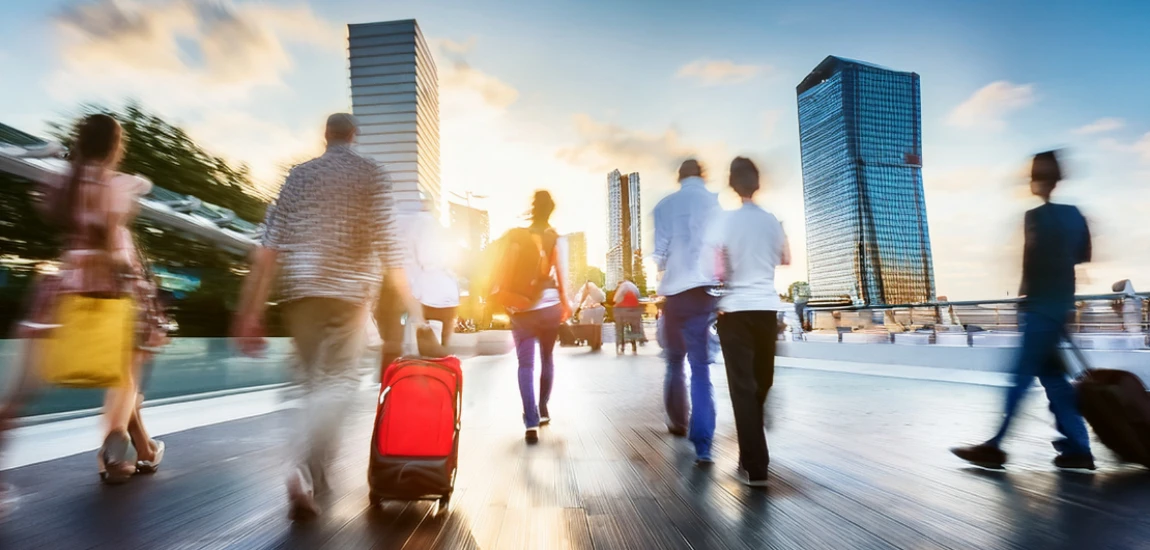
Tourism destinations often face an unusual challenge: some places become extremely crowded while other nearby locations receive very few visitors. A famous landmark may have long queues, congested streets, and pressure on local services, while lesser-known attractions remain underused. This uneven distribution can reduce visitor satisfaction, increase environmental pressure, and limit the economic benefits reaching different communities.
Dynamic Visitor Distribution offers a way to address this challenge by using tourism data, visitor behavior insights, real-time information, transportation patterns, and destination planning to distribute tourist activity more effectively.
Instead of simply trying to increase or decrease total visitor numbers, dynamic visitor distribution focuses on where visitors go, when they arrive, how long they stay, and which alternative experiences are available. This makes it possible to balance tourism activity across neighborhoods, attractions, routes, and time periods.
The approach can be particularly valuable for destinations experiencing overtourism or seasonal overcrowding. It can help visitors discover less-known locations while reducing pressure on highly concentrated attractions. At the same time, it can create opportunities for local businesses and communities outside the main tourism centers.
Dynamic distribution is not about forcing travelers away from popular attractions. Instead, it can provide better choices by showing visitors alternative experiences, quieter visiting periods, convenient transportation options, and destinations that match their interests.
Understanding Dynamic Visitor Distribution

Dynamic Visitor Distribution is a modern approach to managing tourism flows according to changing conditions. Traditional visitor management often relies on fixed strategies, such as permanent capacity limits or predetermined tourist routes. Dynamic distribution introduces greater flexibility by using current and predicted information.
What Dynamic Visitor Distribution Means
Dynamic Visitor Distribution refers to the strategic movement or encouragement of visitors across different tourism locations and time periods based on demand, capacity, environmental conditions, transportation availability, and visitor preferences.
A destination can use information about attraction occupancy, hotel bookings, event schedules, transportation demand, weather, seasonal patterns, and visitor behavior to identify where tourism pressure is increasing.
For example, if a historic city center becomes heavily crowded during the afternoon, tourism platforms could highlight nearby museums, markets, parks, cultural neighborhoods, or walking routes with lower visitor density.
The objective is to create a more balanced tourism ecosystem rather than concentrating activity around a small number of famous attractions.
Why Visitor Distribution Matters
Uneven visitor distribution can create multiple problems. Popular areas may experience congestion, excessive waste, noise, environmental degradation, and pressure on public infrastructure. Local residents may face difficulty using public spaces, roads, and transportation systems.
Visitors can also experience long queues, limited availability, higher prices, and reduced enjoyment.
Meanwhile, less-visited areas may struggle to generate sufficient tourism revenue despite having attractions and cultural resources.
Dynamic visitor distribution can address both sides of this problem by reducing excessive concentration and creating opportunities for underused areas.
Moving From Static to Dynamic Tourism Management
Static tourism planning may assume that visitor patterns remain relatively stable. In reality, tourism demand changes throughout the day, week, season, and year.
Weather, festivals, transportation changes, social media trends, special events, school holidays, and unexpected disruptions can quickly alter visitor behavior.
Dynamic systems can respond to these changes by updating recommendations and management strategies in real time. This creates a more flexible approach to destination management.
Using Data to Understand Visitor Movement

Data is essential for understanding where tourists travel and why certain locations become more popular than others. When responsibly collected and analyzed, visitor-flow data can help destinations make informed decisions about tourism distribution.
Tracking Visitor Flows Across Locations
Tourism organizations can use attraction bookings, ticketing systems, transportation information, visitor counters, surveys, and other appropriate sources to understand visitor movement.
For example, a destination may discover that most visitors travel between three major attractions while nearby cultural sites receive relatively little attention.
This information can help destination managers identify opportunities to develop alternative routes.
Visitor-flow analysis can also reveal the times when different attractions experience the greatest demand. This allows destinations to develop time-based recommendations.
Combining Real-Time and Historical Information
Historical tourism data can show recurring patterns, while real-time information can identify current changes.
Suppose historical information shows that a particular attraction usually becomes crowded on Saturday afternoons. Real-time information may then reveal that a major festival is occurring nearby, creating even greater demand than usual.
Combining these sources allows destination managers to respond more effectively.
Weather information can also be important. A sudden heatwave could reduce demand for outdoor attractions while increasing interest in shaded or indoor experiences.
Using Predictive Tourism Analytics
Predictive analytics can help destinations anticipate future visitor pressure rather than waiting for congestion to occur.
Systems can analyze hotel bookings, transportation reservations, event calendars, historical visitor patterns, and other indicators to estimate upcoming demand.
If an attraction is expected to reach high capacity, tourism platforms can encourage visitors to explore alternative experiences or choose different visiting times.
This creates a proactive approach to visitor distribution.
Reducing Overcrowding Through Alternative Attractions

One of the most practical applications of dynamic visitor distribution is reducing pressure on heavily visited locations. Instead of restricting visitors everywhere, destinations can provide attractive alternatives.
Promoting Lesser-Known Attractions
Many destinations have cultural, natural, historical, and recreational experiences that receive less attention than their most famous attractions.
Tourism organizations can promote these locations through websites, mobile applications, hotel recommendations, visitor centers, social media, and travel campaigns.
For example, a city famous for one historic landmark might also promote nearby neighborhoods, local food markets, artisan workshops, community museums, public gardens, or cultural centers.
This can give visitors more choices while spreading tourism expenditure.
Creating Alternative Tourism Routes
Tourism routes can be designed to connect multiple attractions rather than concentrating travelers around one location.
A cultural route might connect museums, historic streets, local restaurants, galleries, and community spaces. A nature route could connect parks, viewpoints, walking trails, and conservation areas.
Well-designed routes can encourage visitors to spend more time exploring different parts of a destination.
Transportation connections are particularly important. Alternative attractions are more likely to receive visitors when they are easy to reach.
Promoting Experiences Based on Visitor Interests
Alternative destinations should not be promoted randomly. Recommendations should match visitor interests.
A traveler interested in history could receive information about lesser-known heritage locations. A nature enthusiast could receive alternative hiking areas. A food traveler could discover local markets and neighborhood restaurants.
Personalized recommendations make visitor distribution more useful because tourists receive alternatives that are genuinely relevant to them.


Gary Arndt operates "Everything Everywhere," a blog focusing on worldwide travel. An award-winning photographer, Gary shares stunning visuals alongside his travel tales.
Gary Arndt

Prev Post
Next Post