
Living Heritage Tourism Systems – Supporting Culture, Traditions, and Local Identity
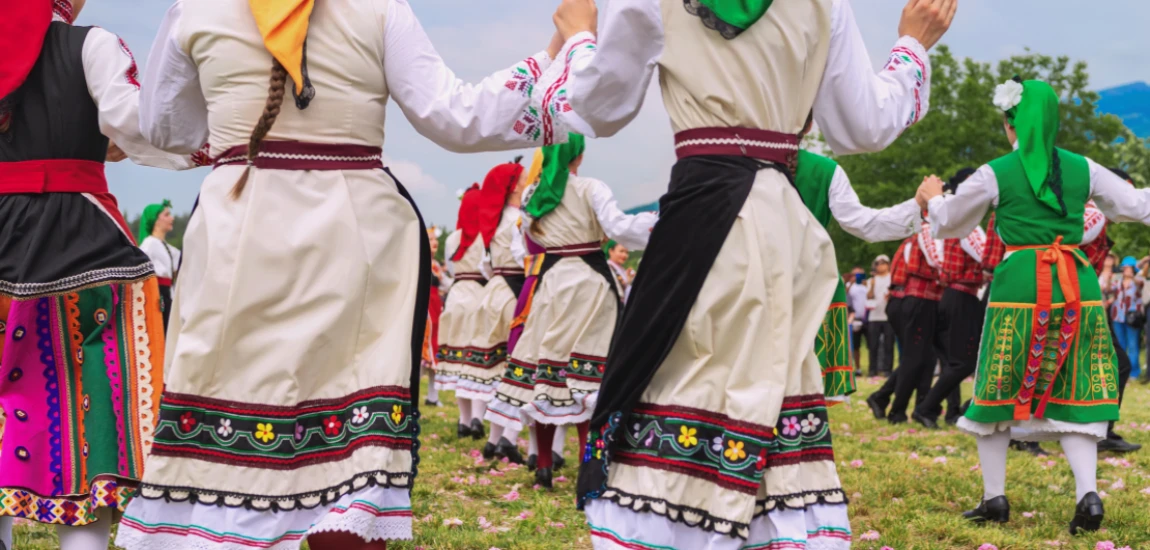
Tourism is often associated with famous monuments, historic buildings, museums, and archaeological sites. However, cultural heritage is much broader than physical places. It also includes traditional crafts, food, music, storytelling, festivals, languages, skills, rituals, knowledge, clothing, community practices, and ways of life that continue to evolve across generations.
This living dimension of culture is increasingly important for modern tourism. Travelers often want to experience destinations through local traditions and everyday community life rather than simply viewing historical attractions.
This creates an opportunity for Living Heritage Tourism Systems.
Living Heritage Tourism Systems are approaches that connect tourism with active cultural traditions and local communities while supporting the continuation of cultural practices. Instead of treating heritage as something frozen in the past, living heritage tourism recognizes culture as something that communities continue to practice, adapt, teach, and share.
A traditional craft workshop, a locally prepared meal, a community festival, an indigenous storytelling session, or a traditional music performance can all represent living heritage when they are connected to genuine community practices.
However, tourism must be managed carefully. Cultural traditions should not be changed solely to satisfy visitor expectations. Communities should have meaningful control over what is shared, how it is presented, and how tourism revenue is distributed.
When designed responsibly, Living Heritage Tourism Systems can strengthen cultural continuity while creating economic opportunities and meaningful visitor experiences.
Understanding Living Heritage Tourism Systems

What Is Living Heritage?
Living heritage refers to cultural practices, knowledge, skills, traditions, expressions, and community activities that continue to exist and evolve.
Unlike a historical object displayed behind glass, living heritage is practiced by people.
Examples can include traditional cooking, handicrafts, folk music, dance, storytelling, agricultural knowledge, religious or seasonal celebrations, traditional architecture practices, and local languages.
These traditions may change over time while still maintaining important connections with community identity.
Why Living Heritage Matters in Tourism
Tourism can create opportunities for communities to share cultural knowledge with visitors.
Travelers may become interested in learning how traditional products are made, understanding local food traditions, listening to community stories, or participating in cultural workshops.
These experiences can create deeper connections than conventional sightseeing.
At the same time, tourism revenue can help support cultural practitioners, artisans, performers, local guides, and community organizations.
Avoiding the “Museumification” of Culture
One challenge is turning living culture into something artificial.
If traditions are performed only for tourists and disconnected from community life, their meaning can gradually weaken.
Living Heritage Tourism Systems should therefore support genuine cultural practice rather than simply creating performances designed for visitor consumption.
The community should remain at the center of the experience.
Supporting Cultural Traditions Through Tourism

Preserving Traditional Skills
Many traditional skills require years of practice and knowledge transfer.
Crafts such as weaving, pottery, woodwork, embroidery, metalwork, traditional cooking, and instrument making can become difficult to maintain when younger generations have limited opportunities to learn them.
Tourism can create economic incentives for skilled practitioners to continue teaching and practicing these traditions.
Workshops, demonstrations, apprenticeships, and community markets can connect cultural preservation with sustainable income.
Passing Knowledge Between Generations
Cultural continuity depends on knowledge transfer.
Tourism programs can create opportunities for older cultural practitioners to teach younger community members.
For example, experienced artisans can train apprentices who later become instructors or business owners.
Local schools, cultural organizations, tourism businesses, and community groups can cooperate to support these programs.
The result is not simply preservation for tourists. It is the continuation of cultural knowledge within the community itself.
Supporting Cultural Events and Festivals
Festivals can provide important opportunities for communities to maintain cultural traditions.
Tourism can help increase visibility and generate revenue for local events.
However, visitor growth should be managed carefully.
Large crowds can create pressure on public spaces, cultural sites, and community resources.
Visitor capacity, transportation, waste management, and community preferences should be considered when promoting cultural festivals.
Connecting Travelers With Authentic Local Experiences

Community-Led Cultural Experiences
Community-led tourism can provide visitors with direct opportunities to learn from local people.
Travelers might join cooking classes, craft workshops, storytelling sessions, farm visits, music activities, walking tours, or cultural demonstrations.
These experiences can create meaningful interaction while providing income to local participants.
The community should have control over how these experiences are designed and delivered.
Sharing Local Stories
Storytelling is one of the most powerful forms of living heritage.
Local stories can explain the history of neighborhoods, families, landscapes, traditions, crafts, food, and important community events.
Local storytellers can provide perspectives that may not be available through standard tourism guides.
Digital platforms can help visitors discover these experiences, but cultural communities should control how their stories are recorded, distributed, and represented.
Encouraging Respectful Cultural Participation
Visitors need context when participating in cultural experiences.
Tourism providers can explain appropriate behavior, photography rules, dress expectations where relevant, environmental considerations, and community preferences.
This helps visitors understand that they are participating in real community life rather than consuming a staged attraction.
Respectful participation can improve cultural exchange and reduce misunderstandings.
Strengthening Local Identity and Community Economies

Supporting Local Cultural Entrepreneurs
Living heritage can create opportunities for cultural entrepreneurs.
Artisans, chefs, performers, guides, designers, storytellers, musicians, farmers, and cultural educators can develop businesses around their knowledge and skills.
Tourism platforms can improve their visibility and connect them with travelers interested in authentic experiences.
However, fair compensation is essential.
Cultural practitioners should receive appropriate payment for their time, knowledge, products, and creative work.
Keeping Tourism Revenue Local
Tourism can generate stronger community benefits when revenue remains within local economies.
Visitors can be encouraged to purchase directly from local artisans, eat at locally owned restaurants, hire community guides, and participate in locally operated experiences.
This creates greater circulation of tourism income.
Local tourism networks can connect cultural businesses with hotels, travel agencies, destination authorities, and digital booking platforms.
Strengthening Community Pride
When cultural traditions are valued and respected, tourism can contribute to community pride.
Young people may see traditional skills as meaningful opportunities rather than outdated practices.
However, cultural pride should not depend entirely on tourism demand.
The cultural value of a tradition exists independently of its commercial value.
Tourism should support community identity rather than define it.


Gilbert Ott, the man behind "God Save the Points," specializes in travel deals and luxury travel. He provides expert advice on utilizing rewards and finding travel discounts.
Gilbert Ott

Prev Post

Next Post