
Digital Heritage Tourism: How Technology Is Preserving and Reimagining Cultural History
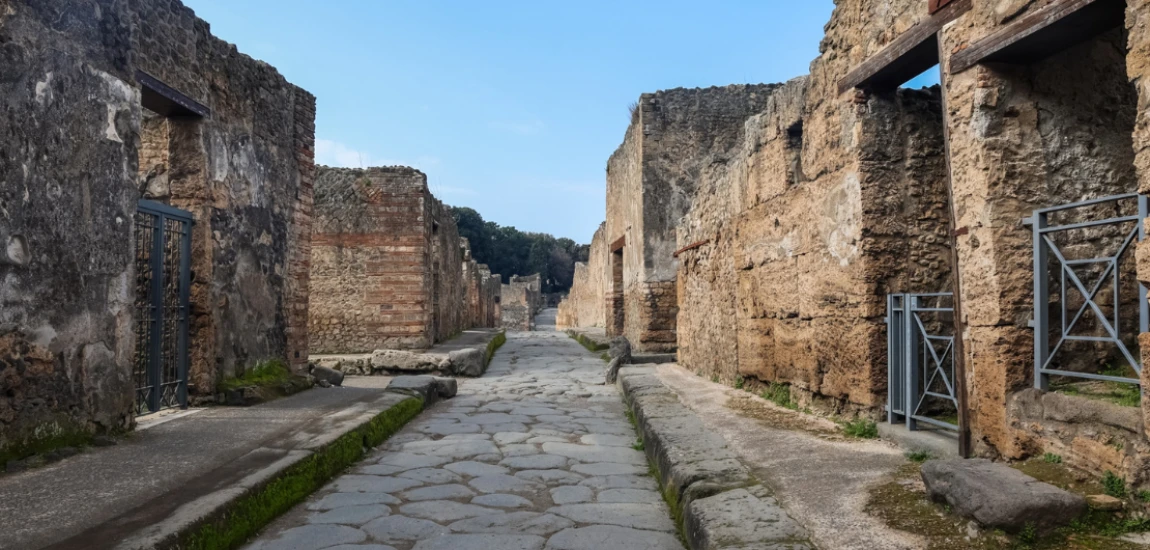
Cultural heritage connects people with the stories, traditions, architecture, art, and memories that have shaped communities over generations. Historic buildings, archaeological sites, museums, traditional crafts, ancient manuscripts, and cultural landscapes provide valuable connections to the past. Yet many heritage resources face threats from climate change, natural disasters, urban development, conflict, neglect, and the simple passage of time.
Technology is creating new possibilities for protecting and experiencing this heritage. Digital heritage tourism combines cultural preservation with technologies such as artificial intelligence, virtual reality, augmented reality, 3D scanning, digital archives, interactive maps, and immersive storytelling.
These tools do more than create attractive digital experiences. They can document fragile sites, preserve information for future generations, expand access to cultural resources, and help travelers understand historical places in new ways.
Digital heritage tourism can also make cultural history more accessible to people who cannot physically visit a destination. A student thousands of kilometers away can explore a virtual archaeological site. A traveler can use augmented reality to see how an ancient structure once looked. A museum visitor can interact with a digital reconstruction rather than simply reading a description.
As technology continues to evolve, the relationship between tourism and heritage is changing. The future may not require travelers to choose between physical and digital experiences. Instead, both can work together to make cultural history more accessible, engaging, and meaningful.
What Is Digital Heritage Tourism?

Connecting Technology With Cultural Heritage
Digital heritage tourism refers to the use of digital technologies to preserve, interpret, promote, and experience cultural heritage. It can involve virtual museum tours, 3D models of historic buildings, augmented reality applications, digital archives, interactive storytelling, and virtual reconstructions.
The purpose is not necessarily to replace physical tourism. Instead, technology can enhance the visitor experience and provide additional ways to understand heritage.
A traveler visiting a historic site might use an augmented reality application to view information about a building's original appearance. A museum could offer a virtual tour that allows people around the world to explore its collections. These experiences extend heritage beyond physical boundaries.
Making History More Accessible
Traditional heritage tourism requires physical access. Digital technology removes some of these limitations.
People with mobility challenges, financial limitations, educational commitments, or geographical barriers can access cultural resources digitally. Virtual heritage experiences can therefore contribute to broader cultural education and accessibility.
Digital access can also introduce younger audiences to heritage through formats they already understand, including interactive applications, immersive environments, digital games, and multimedia storytelling.
Preserving Fragile Cultural Resources
Some heritage sites are too fragile to accommodate unlimited visitors. Excessive foot traffic, environmental conditions, and human activity can damage historic structures and archaeological remains.
Digital documentation provides another way for people to experience these places without placing additional physical pressure on them.
High-resolution photographs, 3D scans, digital maps, and virtual models can preserve detailed information about heritage assets even if the original site changes or becomes damaged.
How Technology Is Preserving Cultural History

3D Scanning and Digital Documentation
Three-dimensional scanning can capture highly detailed information about historic buildings, monuments, sculptures, archaeological objects, and cultural landscapes.
These digital models can be used for research, conservation planning, education, and virtual tourism. If a structure is damaged by an earthquake, flood, fire, or other event, a previous digital record can provide valuable information for restoration.
The technology therefore creates a form of digital backup for cultural heritage.
Artificial Intelligence and Heritage Archives
AI can help organize and analyze large cultural collections. Museums, libraries, and archives often contain enormous quantities of photographs, documents, manuscripts, recordings, and historical materials.
Artificial intelligence can assist with categorization, transcription, translation, image recognition, and information retrieval. This can make heritage collections easier for researchers and the public to explore.
AI can also help create personalized cultural experiences by connecting visitors with information relevant to their interests.
Digital Preservation of Intangible Heritage
Heritage is not limited to physical objects. Languages, songs, recipes, traditional knowledge, oral histories, dance, crafts, and rituals are also important cultural resources.
Digital recording can help preserve these forms of intangible heritage. Audio, video, photography, and interactive databases can document knowledge that might otherwise be difficult to transmit across generations.
However, digital preservation should always involve communities and respect cultural ownership and privacy.
Virtual Reality and Augmented Reality in Heritage Tourism

Creating Immersive Historical Experiences
Virtual reality can transport users into reconstructed historical environments. Instead of looking at a photograph of an ancient city, users can explore a digital reconstruction and experience the environment from different perspectives.
This can make history more engaging, particularly for students and younger audiences.
Virtual experiences can also reconstruct places that no longer exist. Destroyed buildings, archaeological sites, and historical neighborhoods can potentially be represented digitally using available evidence.
Bringing the Past Into the Present
Augmented reality works differently by adding digital information to the physical world. Visitors can use smartphones, tablets, or specialized devices to see historical information overlaid on their surroundings.
A traveler standing near an archaeological ruin could view a digital reconstruction showing how the site may have appeared centuries ago.
This combination of physical travel and digital interpretation can make heritage sites easier to understand.
Expanding Heritage Tourism Beyond Physical Visits
Virtual and augmented experiences can also create interest in destinations before travelers visit them. A virtual exploration may encourage someone to learn more about a historical location and eventually experience it in person.
In this way, digital heritage tourism can function as both a preservation tool and a gateway to physical cultural tourism.
Digital Storytelling and Cultural Connection

Turning Historical Information Into Stories
Historical information can sometimes feel distant when presented only through dates, facts, and descriptions. Digital storytelling can make heritage more emotionally engaging.
Interactive narratives can combine photographs, interviews, music, maps, video, animation, and historical documents to explain how people experienced a particular place or period.
Stories help visitors understand not only what happened but also why it mattered.
Giving Local Communities a Voice
Digital platforms can provide opportunities for local communities to share their own perspectives. Residents can contribute oral histories, family photographs, traditional knowledge, personal memories, and local stories.
This can make heritage interpretation more diverse and community-centered.
Instead of allowing heritage narratives to be defined exclusively by institutions or external tourism companies, digital storytelling can create space for multiple perspectives.
Connecting Younger Generations With Heritage
Younger audiences often interact with information through digital media. Cultural organizations can use this behavior as an opportunity to make heritage more engaging.
Interactive maps, digital exhibitions, podcasts, virtual tours, educational games, and social storytelling can help younger people discover the history of their communities.
When younger generations develop an interest in heritage, they can become important participants in its future preservation.


Known as "Nomadic Matt," Matthew Kepnes offers practical travel advice with a focus on budget backpacking. His blog aims to help people travel cheaper and longer.
Matthew Kepnes
Prev Post
Next Post