
Digital Cultural Immersion: How Extended Reality Is Creating New Ways to Experience Local Traditions
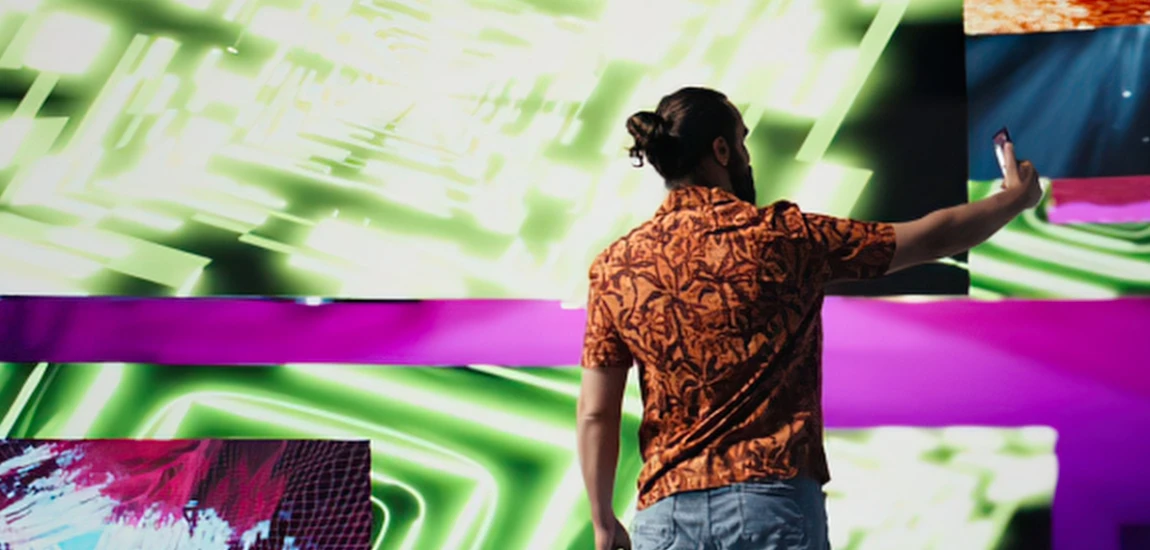
Travel has always been one of the most powerful ways to experience culture. Visitors can taste traditional food, listen to local music, explore historic neighborhoods, attend festivals, and learn directly from community members. However, technology is creating new opportunities to deepen these experiences.
Digital cultural immersion combines cultural tourism with technologies such as virtual reality (VR), augmented reality (AR), mixed reality (MR), and other forms of extended reality (XR). These technologies can allow travelers to interact with historical environments, explore cultural stories, understand traditional practices, and experience places before, during, or even after a physical trip.
Instead of simply reading information on a sign beside a historic building, travelers could use an AR device to see how that location looked decades or centuries ago. A virtual reality experience could transport users into a traditional festival or historical environment. Interactive digital storytelling could allow visitors to hear local stories directly from community members.
Extended reality does not have to replace real-world cultural experiences. Its greatest potential may be in making those experiences more understandable, accessible, interactive, and memorable.
As tourism becomes increasingly digital, destinations have an opportunity to use XR technology responsibly while ensuring that local communities remain at the center of cultural storytelling.
Understanding Digital Cultural Immersion

What Is Digital Cultural Immersion?
Digital cultural immersion refers to the use of digital technologies to help people engage deeply with cultures, traditions, histories, and communities.
Unlike conventional digital travel content, which may consist of photographs, videos, or written information, immersive technology can create interactive environments.
A traveler could virtually enter a historic marketplace, explore a traditional home, observe a craft demonstration, or experience a cultural celebration through immersive media.
The experience can be designed to encourage exploration rather than passive viewing.
How Extended Reality Supports Cultural Tourism
Extended reality includes several technologies with different capabilities. Virtual reality can place users inside a digitally created environment. Augmented reality can add digital information to the physical world. Mixed reality can combine physical and digital elements in interactive ways.
For tourism, these technologies can make cultural information more engaging.
An ancient monument could become an interactive historical story. A traditional craft could be demonstrated through digital overlays. A museum could allow visitors to explore objects in three dimensions.
The technology provides additional layers of context.
Why Immersion Can Strengthen Cultural Understanding
Culture can sometimes be difficult to understand through short descriptions. Traditions often have histories, meanings, symbols, and social contexts that cannot be fully explained through a paragraph on a display board.
Immersive experiences can provide more context.
For example, visitors learning about a traditional celebration could see its historical development, understand the meaning of specific practices, and hear explanations from cultural experts.
This can encourage curiosity and deeper appreciation.
Bringing Local Traditions Into Interactive Experiences

Digitizing Traditional Practices
Many traditional practices depend on skills passed from one generation to another. Craftsmanship, cooking, music, dance, storytelling, and traditional architecture can be documented through immersive technology.
A digital experience could allow travelers to observe how a craft is created step by step.
For example, an interactive cultural program could allow users to virtually explore a traditional workshop, examine tools, and understand how materials are transformed into finished products.
This documentation can also create valuable educational resources for future generations.
Creating Virtual Cultural Workshops
Extended reality can make cultural workshops more interactive.
Travelers could participate in virtual cooking demonstrations, craft lessons, musical performances, or storytelling sessions before arriving at a destination.
After the physical trip, they could continue learning through digital experiences.
This creates a longer relationship between the traveler and the culture rather than limiting cultural engagement to a few hours during a holiday.
Preserving Intangible Cultural Heritage
Some cultural heritage cannot be represented by buildings or physical objects. Songs, oral traditions, dances, rituals, languages, recipes, and storytelling are examples of intangible cultural heritage.
Digital technologies can help document and present these traditions in immersive formats.
However, communities should control how these traditions are recorded, shared, and commercialized.
Digital preservation should support cultural ownership rather than remove it.
Transforming Museums, Heritage Sites, and Destinations

Augmented Reality at Historic Locations
AR can add digital layers to physical destinations.
A traveler standing at an archaeological site could use a smartphone or AR glasses to visualize how the location may have appeared in the past.
Digital characters, reconstructed buildings, historical maps, and interactive stories could appear alongside the real environment.
This can help visitors understand history without physically altering fragile heritage sites.
Virtual Reality for Lost or Inaccessible Places
Some cultural sites are damaged, restricted, underwater, remote, or no longer exist. VR can recreate these environments for educational and tourism purposes.
Travelers could explore historical neighborhoods that disappeared over time or virtually visit heritage sites that are too fragile to accommodate large numbers of visitors.
This can reduce physical pressure on sensitive locations while still allowing people to learn about them.
Making Museums More Engaging
Museums can use XR to make collections more interactive.
Visitors could examine historical objects from multiple angles, explore digital reconstructions, or enter immersive historical scenes connected to museum exhibits.
This approach can be particularly valuable for younger audiences who are accustomed to interactive digital environments.
The goal should not be to replace physical objects but to provide context that makes them more meaningful.
Connecting Travelers With Local Communities

Putting Local Voices at the Center
Technology alone cannot create authentic cultural immersion. The stories must come from people who understand and represent the culture.
Destinations can work with local historians, artists, elders, guides, chefs, musicians, craftspeople, and community organizations to develop digital experiences.
Their voices can provide context that automated systems or generic tourism content cannot replicate.
Creating Digital Encounters With Residents
Extended reality can create new forms of interaction between travelers and local communities.
Visitors might meet a virtual representation of a local artisan who explains their craft or hear recorded stories while exploring a digital recreation of a neighborhood.
These experiences can make cultural learning more personal.
However, digital encounters should complement genuine human interaction whenever possible.
Creating Economic Opportunities
Digital cultural tourism can also generate new opportunities for local communities.
Artists and cultural experts can contribute knowledge, storytelling, performances, workshops, and creative content to immersive tourism projects.
Revenue-sharing models can help ensure that communities benefit financially from the digital representation of their culture.
This can create a connection between cultural preservation and local economic development.


Derek Baron, also known as "Wandering Earl," offers an authentic look at long-term travel. His blog contains travel stories, tips, and the realities of a nomadic lifestyle.
Derek Baron
Prev Post
Next Post