
Twilight Tourism: Why Sunrise, Sunset, and After-Dark Experiences Are Reshaping Destination Travel
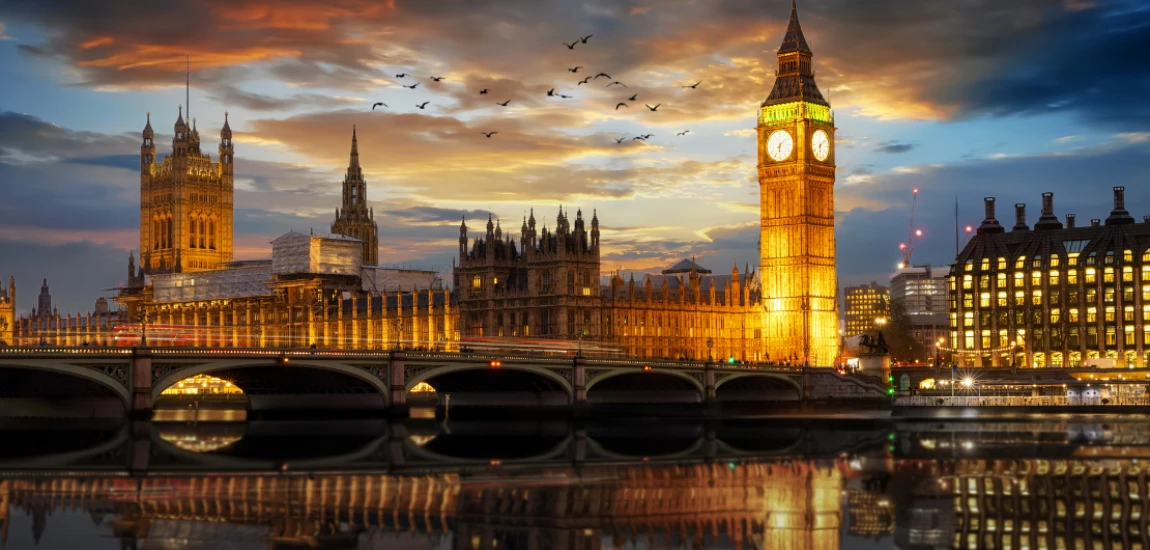
Travel has traditionally been designed around daylight. Tourists wake up, visit attractions, explore cities, enjoy outdoor activities, and return to their accommodation before nightfall. But changing traveler preferences are encouraging destinations to rethink this pattern.
Twilight tourism focuses on experiences that take place around sunrise, sunset, and after dark. Instead of treating evening and early morning hours as empty periods, destinations are turning them into valuable opportunities for exploration, culture, wellness, entertainment, and connection with nature.
Sunrise hikes, sunset cruises, evening food markets, illuminated heritage sites, nighttime wildlife tours, astronomy experiences, rooftop dining, moonlit walks, and cultural performances are becoming increasingly attractive to travelers looking for something different from traditional sightseeing.
This approach also provides an opportunity to manage overcrowding. Popular attractions can become extremely busy during daytime peak hours. Encouraging visitors to explore during early mornings and evenings can distribute tourism demand more evenly.
Twilight tourism is therefore more than a trend involving beautiful sunsets. It represents a broader shift toward time-based destination design, where travelers can experience places differently depending on the hour.
The Rise of Twilight Tourism

What Is Twilight Tourism?
Twilight tourism refers to travel experiences specifically designed around sunrise, sunset, dusk, nighttime, and early-morning environments. These experiences can include natural, cultural, culinary, recreational, and wellness activities.
The appeal comes partly from atmosphere. A familiar destination can feel completely different after sunset. Historic streets may become quieter, buildings may be illuminated, restaurants may become more vibrant, and natural landscapes can take on new colors.
Similarly, sunrise can transform a familiar attraction. A beach, mountain viewpoint, desert landscape, or historic monument may offer a completely different experience in the early morning.
Why Travelers Want Different Experiences
Travelers increasingly seek experiences that feel distinctive and memorable. Social media has contributed to interest in visually appealing sunrise and sunset locations, but the appeal goes beyond photography.
Early mornings can offer peaceful environments with fewer crowds. Evenings can provide opportunities for dining, entertainment, cultural events, and social interaction.
Travelers who have already visited major attractions during the day may discover that returning at night provides an entirely different perspective.
Extending the Tourism Day
Twilight tourism can also help destinations make better use of their tourism infrastructure.
Instead of concentrating visitors between late morning and afternoon, destinations can encourage activities across a longer period.
This can benefit restaurants, guides, cultural venues, transportation providers, hotels, and local businesses.
A destination that successfully develops a strong evening economy may create additional employment and revenue while reducing pressure on heavily visited daytime attractions.
Sunrise Travel and the Appeal of Early-Morning Experiences

The Beauty of Starting Before the Crowds
Sunrise experiences offer travelers something that is increasingly difficult to find in popular destinations: quiet.
A famous viewpoint may be crowded during the afternoon but relatively peaceful at dawn. Travelers can enjoy landscapes with fewer people, softer light, cooler temperatures, and a slower atmosphere.
Sunrise hikes, photography tours, hot-air balloon experiences, meditation sessions, and early-morning cultural walks can create memorable experiences without requiring major infrastructure.
For many travelers, waking early becomes worthwhile because the destination feels more personal.
Sunrise and Wellness Travel
Early-morning tourism also connects naturally with wellness. Sunrise yoga, meditation, beach walks, breathing exercises, and quiet nature experiences can create a restorative beginning to the day.
Wellness-focused travelers may prefer activities that combine physical movement with natural surroundings.
Hotels can support this trend by offering guided morning walks, outdoor fitness sessions, healthy breakfasts, and quiet spaces where guests can watch the sunrise.
The experience can encourage travelers to slow down and begin the day intentionally rather than immediately entering a busy sightseeing schedule.
Creating Responsible Sunrise Experiences
Sunrise tourism should be carefully managed in environmentally sensitive areas. Popular viewpoints can suffer from litter, erosion, traffic, and noise when large numbers of visitors arrive at the same time.
Destinations can use designated trails, limited-capacity experiences, shuttle services, visitor education, and protected viewpoints.
This ensures that the desire to experience beautiful mornings does not damage the landscapes that attract visitors.
Sunset Tourism and the Emotional Power of Dusk

Why Sunset Experiences Are So Popular
Sunset has a powerful emotional appeal. The changing colors of the sky, shifting light, cooler temperatures, and transition from day to night can create a sense of relaxation and anticipation.
Destinations can build entire experiences around this moment.
Sunset cruises, rooftop dining, beach picnics, desert excursions, mountain viewpoints, photography tours, and cultural performances can all use dusk as a natural centerpiece.
These experiences are often highly shareable, but their real value comes from creating memorable moments.
Turning Sunset Into a Social Experience
Sunset can encourage social interaction. Travelers may gather at waterfront restaurants, public squares, viewpoints, or outdoor markets as the day ends.
Hotels can create sunset terraces and lounges where guests can relax and interact.
Tour operators can combine sunset viewing with local food, music, storytelling, or cultural performances.
This transforms a simple natural event into a broader destination experience.
Supporting Local Businesses
Sunset tourism can extend the economic activity of a destination into the evening.
Restaurants can offer sunset dining, local guides can operate evening tours, artisans can participate in night markets, and transportation businesses can provide specialized experiences.
This creates additional opportunities for local businesses while giving travelers more reasons to spend time in the destination.
After-Dark Tourism and the New Nighttime Economy

Exploring Destinations After Sunset
Night tourism is expanding the definition of sightseeing. Travelers can explore historic districts, museums, markets, restaurants, music venues, cultural performances, and public spaces after dark.
Illumination can also transform architecture. Historic buildings and monuments may take on a different visual character when carefully lit.
However, nighttime tourism should prioritize thoughtful lighting rather than excessive brightness.
Dark-Sky and Stargazing Experiences
One of the most fascinating forms of after-dark tourism is dark-sky tourism. Travelers leave brightly illuminated urban environments to experience stars, planets, meteor showers, and other astronomical phenomena.
Deserts, mountains, remote islands, and rural areas can become attractive destinations for astronomy tourism.
Hotels and tourism operators can offer guided stargazing, astronomy workshops, telescope experiences, and educational programs.
These experiences encourage visitors to appreciate natural darkness as an environmental resource.
Nighttime Wildlife and Nature Experiences
Some ecosystems become more active after dark. Responsible nighttime wildlife experiences can introduce travelers to nocturnal species and behaviors that are invisible during daylight.
Guided night walks, responsible wildlife observation, and nocturnal nature tours can create unique experiences.
Strict guidelines are important, including appropriate lighting, controlled group sizes, limited noise, and minimum disturbance to wildlife.


Derek Baron, also known as "Wandering Earl," offers an authentic look at long-term travel. His blog contains travel stories, tips, and the realities of a nomadic lifestyle.
Derek Baron

Prev Post

Next Post