
Destination Resource Optimization – Improving the Use of Natural, Cultural, and Tourism Resources
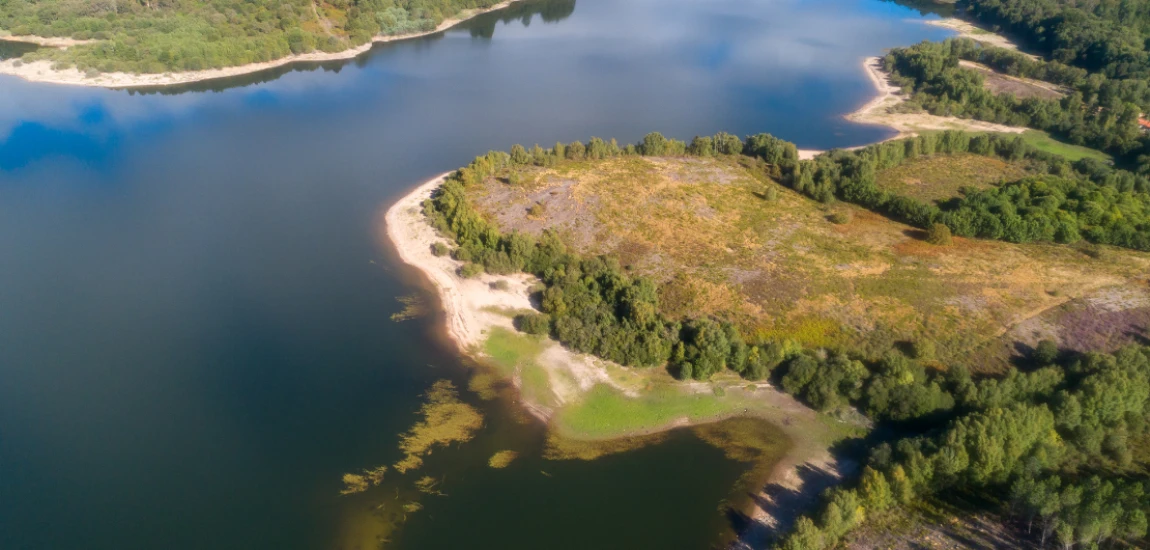
Tourism destinations depend on a wide range of resources. Natural landscapes, cultural heritage, historical attractions, local communities, transportation systems, accommodation, public spaces, water, energy, food, and human skills all contribute to the tourism experience. However, these resources are not unlimited. Increasing visitor demand, environmental pressures, infrastructure constraints, and changing traveler expectations make it increasingly important for destinations to use available resources intelligently.
Destination Resource Optimization is an approach that focuses on improving how tourism destinations manage, distribute, protect, and utilize their resources. Rather than simply increasing the quantity of tourism resources, optimization focuses on getting greater value from existing resources while reducing waste, environmental pressure, and unnecessary costs.
Natural resources can include forests, beaches, mountains, rivers, wildlife, agricultural landscapes, and biodiversity. Cultural resources can include heritage buildings, traditional crafts, food, festivals, local knowledge, music, stories, and historic sites. Tourism resources include accommodation, attractions, transportation, visitor services, public infrastructure, businesses, and human capabilities.
Effective resource optimization connects these elements instead of managing them independently. A destination may improve visitor experiences by promoting lesser-known attractions, distributing visitors across different locations, supporting local businesses, improving transportation connections, and protecting environmentally sensitive areas.
Technology can also play an important role. Tourism analytics, visitor flow monitoring, demand forecasting, digital platforms, geographic information systems, and smart resource management can help destinations understand how resources are being used and where improvements are needed.
This article explores how Destination Resource Optimization can help destinations use natural, cultural, and tourism resources more efficiently while supporting sustainability, community benefits, resilience, and long-term tourism development.
Understanding Destination Resource Optimization

Destination Resource Optimization begins with understanding what resources a destination possesses and how those resources are currently being used. The objective is not simply to maximize resource consumption or visitor numbers. Instead, it is to maximize long-term value while protecting the systems that support tourism.
Mapping Destination Resources
A destination resource assessment can identify natural assets, cultural resources, tourism facilities, community capabilities, transportation networks, and business services.
Natural resources may include forests, coastlines, rivers, mountains, wetlands, parks, and wildlife habitats. Cultural resources can include museums, historic buildings, traditional markets, festivals, cuisine, crafts, and local stories.
Tourism resources include hotels, restaurants, attractions, tour operators, transportation, visitor centers, digital services, and recreational facilities.
Mapping these resources helps destination managers understand where resources are concentrated and where opportunities for improvement exist.
Measuring Resource Use
Resource optimization requires information about how resources are consumed.
Tourism managers can monitor visitor numbers, water use, energy consumption, waste generation, transportation demand, attraction capacity, accommodation occupancy, and public-space usage.
These indicators can reveal inefficiencies. For example, one attraction may experience excessive visitor pressure while another nearby attraction remains underused.
Understanding these patterns provides a foundation for better resource allocation.
Focusing on Long-Term Value
Optimization should consider more than immediate economic returns. A natural attraction may generate tourism revenue, but excessive visitation could damage the ecosystem that makes the attraction valuable.
Similarly, cultural heritage can generate visitor interest, but inappropriate commercialization can weaken cultural meaning.
Destination Resource Optimization therefore requires balancing economic value with environmental protection, cultural continuity, community wellbeing, and visitor experience.
Optimizing Natural Resources for Sustainable Tourism

Natural resources are among the most important foundations of tourism. Landscapes, ecosystems, wildlife, water resources, and biodiversity attract visitors and support destination identity.
Managing Visitor Pressure
Popular natural attractions can experience significant visitor pressure. Large crowds may create erosion, litter, habitat disturbance, noise, and resource consumption.
Destination managers can use visitor monitoring and capacity assessments to identify sensitive areas. Timed access, designated routes, seasonal restrictions, alternative attractions, and visitor education can help manage pressure.
The goal is not necessarily to prevent visitors from experiencing natural areas but to create conditions in which tourism and environmental protection can coexist.
Improving Water and Energy Efficiency
Hotels, restaurants, attractions, and transportation systems can consume significant amounts of water and energy.
Destinations can encourage water-efficient technologies, rainwater collection, wastewater treatment, renewable energy, energy-efficient buildings, and responsible consumption practices.
Optimization can also involve coordinating resource systems across multiple tourism businesses. For example, local wastewater treatment or shared renewable energy initiatives can improve efficiency at a destination level.
Protecting Biodiversity
Biodiversity can be a major tourism asset, particularly in nature-based destinations.
Resource optimization should include habitat protection, responsible wildlife tourism, conservation programs, and visitor education.
Tourism businesses can partner with environmental organizations to support restoration projects and biodiversity monitoring. This creates stronger connections between tourism revenue and environmental protection.
Improving the Use of Cultural Resources

Cultural resources provide destinations with identity and differentiation. Historic places, traditional knowledge, cuisine, arts, crafts, festivals, and local stories can create memorable experiences while supporting local economies.
Protecting Cultural Heritage
Tourism can provide financial resources for heritage conservation, but poorly managed tourism can also place pressure on historic sites and cultural practices.
Destination managers can establish visitor guidelines, manage capacity at sensitive locations, support restoration programs, and involve local communities in heritage decisions.
Cultural resource optimization should ensure that tourism contributes to preservation rather than reducing culture to a purely commercial product.
Supporting Local Arts and Crafts
Local artisans, designers, musicians, chefs, storytellers, and cultural entrepreneurs can play an important role in destination development.
Tourism organizations can create markets, workshops, exhibitions, cultural events, and digital platforms that connect visitors with local creators.
This can increase the economic value of cultural resources while encouraging younger generations to continue traditional skills and creative practices.
Developing Authentic Cultural Experiences
Visitors often seek meaningful connections with local places and communities.
Destinations can develop carefully managed cultural experiences such as food tours, craft workshops, heritage walks, agricultural experiences, music programs, and storytelling events.
These experiences can generate income for local communities while providing visitors with deeper understanding of the destination.
Optimizing Tourism Infrastructure and Visitor Services

Tourism resources also include the physical and service infrastructure that allows visitors to explore a destination. Efficient use of these resources can improve visitor satisfaction while reducing unnecessary investment.
Improving Accommodation Capacity
Accommodation demand can vary significantly across seasons. Some hotels may be overcrowded during peak periods while having low occupancy during other times.
Destination-level demand analysis can help identify these patterns and support better accommodation planning.
Tourism organizations can also encourage development in areas where additional capacity is appropriate rather than concentrating all tourism activity in already crowded locations.
Enhancing Transportation Networks
Transportation connects visitors to attractions, accommodation, businesses, and communities.
Resource optimization can involve improving public transportation, pedestrian networks, cycling infrastructure, shuttle services, and shared mobility.
Better transportation connections can make lesser-known attractions more accessible and help distribute visitors across a wider geographical area.
Managing Public Spaces
Public spaces are valuable tourism resources. Parks, plazas, waterfronts, streets, markets, and cultural spaces may serve both residents and visitors.
Destination managers can optimize these spaces through flexible programming, pedestrian management, events, seating, shade, accessibility improvements, and appropriate visitor services.
Good public-space planning can improve tourism experiences without requiring large new attractions.


Kate McCulley, the voice behind "Adventurous Kate," provides travel advice tailored for women. Her blog encourages safe and adventurous travel for female readers.
Kate McCulley

Prev Post

Next Post