
Circular Tourism Infrastructure – Reusing Resources and Reducing Tourism Waste

Tourism creates valuable economic opportunities, but it also requires large amounts of water, energy, food, construction materials, packaging, transportation, and other resources. Hotels, restaurants, airports, attractions, resorts, and tourism businesses generate waste throughout their operations. If resources are used only once and discarded, tourism can place unnecessary pressure on natural systems and increase operating costs.
A more circular approach can change this pattern.
Circular Tourism Infrastructure focuses on designing tourism facilities and systems so that resources remain useful for as long as possible. Instead of following a linear model of taking resources, using them, and throwing them away, circular tourism encourages reuse, repair, recycling, recovery, sharing, and regeneration.
For example, hotels can reuse treated wastewater for landscaping, restaurants can turn food waste into compost, construction projects can reuse building materials, and tourism businesses can share equipment rather than purchasing separate resources.
Circular infrastructure also involves designing buildings and tourism facilities with resource efficiency in mind from the beginning.
The concept extends beyond waste management. It connects water, energy, food, materials, buildings, transportation, and local supply chains into a more efficient tourism ecosystem.
By adopting circular principles, destinations can reduce waste while creating economic opportunities, lowering resource costs, protecting natural systems, and improving long-term tourism resilience.
Understanding Circular Tourism Infrastructure

What Circular Tourism Infrastructure Means
Circular Tourism Infrastructure refers to tourism buildings, facilities, utilities, systems, and networks designed to minimize resource waste and maximize reuse.
Traditional infrastructure often follows a linear model. Raw materials are extracted, products are manufactured, facilities are built, resources are consumed, and waste is eventually discarded.
Circular infrastructure attempts to close these loops.
A hotel might collect rainwater, reuse treated wastewater, compost food waste, recycle materials, and use energy-efficient systems. A tourism destination could develop shared waste-processing facilities that serve hotels, restaurants, and local communities.
The objective is to keep materials and resources circulating within the economy for as long as practical.
Why Circularity Matters in Tourism
Tourism has many resource-intensive activities.
Accommodation requires water, electricity, furniture, cleaning products, food, and construction materials. Restaurants consume large quantities of food and packaging. Transportation uses fuel and infrastructure. Attractions may require lighting, water, equipment, and maintenance.
When these resources are managed through circular systems, destinations can reduce unnecessary consumption.
Circularity can also improve resilience by reducing dependence on external resource supplies.
Moving Beyond Recycling
Recycling is important, but circular tourism is broader than recycling.
It also includes prevention, reduction, reuse, repair, refurbishment, sharing, remanufacturing, and resource recovery.
For example, extending the life of hotel furniture can be more resource-efficient than replacing it and recycling the old items.
The best circular strategy often begins by preventing waste before it is created.
Creating Circular Water and Energy Systems

Reusing Water in Tourism Facilities
Water is a critical tourism resource.
Hotels, resorts, restaurants, attractions, and public facilities require water for drinking, cleaning, sanitation, landscaping, pools, and other activities.
Circular infrastructure can reduce pressure on freshwater supplies through rainwater harvesting, greywater reuse, wastewater treatment, and efficient fixtures.
Treated wastewater may be suitable for certain non-potable applications where regulations and safety standards permit.
For example, reused water can potentially support landscaping or other appropriate uses.
These systems can reduce freshwater demand while lowering wastewater volumes.
Improving Energy Efficiency
Energy systems can also benefit from circular principles.
Tourism facilities can reduce energy demand through efficient lighting, insulation, smart controls, energy-efficient appliances, passive design, and efficient heating and cooling systems.
Renewable energy can further reduce dependence on finite energy resources.
Solar systems, for example, can provide electricity or hot water in suitable locations.
Energy storage and smart energy management can also help tourism facilities use energy more efficiently.
Connecting Water and Energy Management
Water and energy are interconnected.
Water treatment requires energy, while heating and pumping water consume electricity.
Circular tourism infrastructure can therefore consider these systems together.
A destination can evaluate how water reuse, energy efficiency, renewable power, and infrastructure design interact.
This integrated approach can produce greater resource savings than managing each system separately.
Reducing Tourism Waste Through Circular Systems

Preventing Food Waste
Food waste is a major concern in tourism, particularly in hotels, restaurants, resorts, events, and hospitality facilities.
Circular tourism infrastructure can begin with better purchasing, storage, menu planning, portion control, and inventory management.
Food that remains suitable for consumption can potentially be redistributed where appropriate and permitted.
Organic waste that cannot be used for food can be processed through composting or other suitable recovery systems.
This keeps valuable nutrients within productive cycles instead of sending them to landfill.
Reducing Single-Use Materials
Tourism businesses can reduce waste by replacing disposable products with reusable alternatives where practical.
Hotels can reduce unnecessary packaging. Restaurants can use reusable service items. Events can introduce refill stations and reusable systems.
Travelers can also participate by carrying reusable bottles, bags, and other items.
Small changes across thousands of visitors can create significant reductions in waste.
Creating Local Resource Recovery Systems
Individual businesses may struggle to develop resource recovery systems alone.
Destination-level collaboration can make circular infrastructure more practical.
Hotels, restaurants, attractions, and local communities can share recycling, composting, collection, processing, and storage facilities.
These networks can improve economies of scale and create local employment opportunities.
Designing Circular Buildings and Tourism Facilities

Using Reusable and Durable Materials
Circular tourism buildings can be designed with materials that are durable, repairable, reusable, or recyclable.
Construction projects can also consider the future life of building components.
For example, modular designs may make it easier to replace individual components rather than demolishing entire structures.
Using durable materials can reduce maintenance requirements and extend building lifespans.
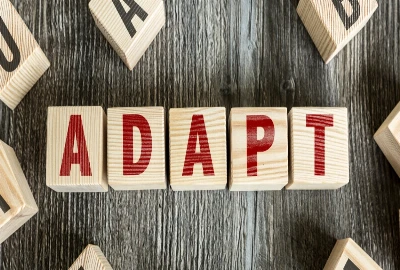
Designing for Adaptability
Tourism demand changes over time.
A building designed only for one specific purpose may become inefficient if visitor needs change.
Flexible architecture can allow spaces to be adapted for different uses.
A conference facility could potentially be converted into community or cultural space during periods of low tourism demand.
Adaptable buildings can therefore reduce the need for new construction.
Reusing Existing Buildings
One of the most effective circular strategies can be the reuse of existing structures.
Historic buildings, warehouses, unused commercial spaces, and other structures can sometimes be renovated for tourism purposes instead of constructing entirely new facilities.
Adaptive reuse can preserve cultural character while reducing demand for new construction materials.
It can also help revitalize underused areas.


Shivya Nath authors "The Shooting Star," a blog that covers responsible and off-the-beaten-path travel. She writes about sustainable tourism and community-based experiences.
Shivya Nath
Prev Post
Next Post