
Cultural Heritage Exploration Travel – Discovering History, Traditions, and Timeless Destinations
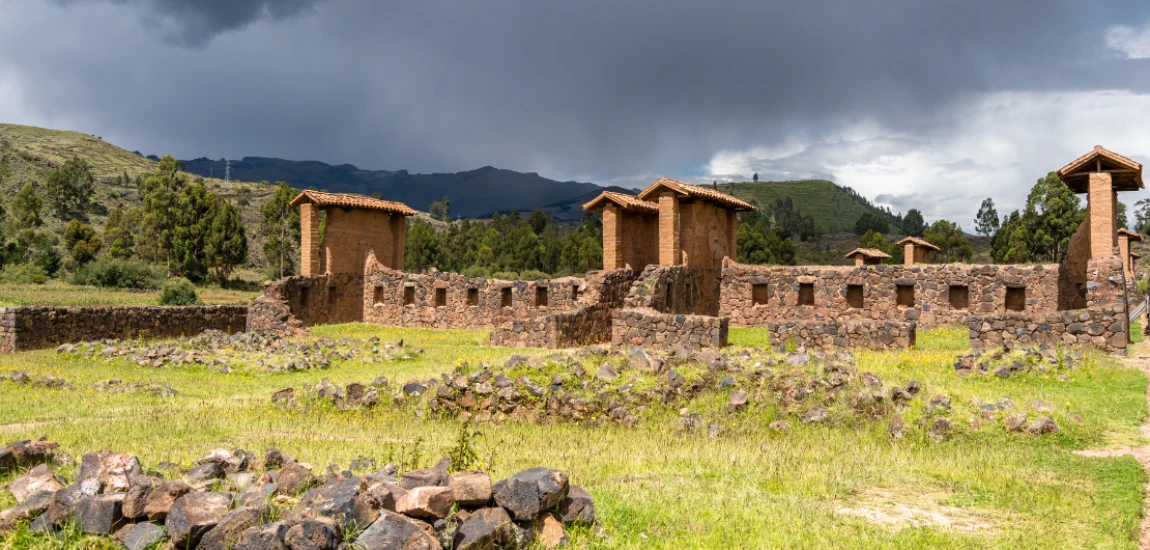
Travel is often seen as a way to relax, explore new landscapes, and escape everyday routines. However, one of the most meaningful ways to experience the world is through cultural heritage exploration travel. This form of travel focuses on discovering the historical, cultural, and traditional elements that define a destination.
Cultural heritage travel allows visitors to step back in time and understand how societies have evolved. By visiting ancient monuments, historic cities, museums, and traditional communities, travelers gain insights into the stories that shaped civilizations. These experiences provide a deeper understanding of cultural identity, art, architecture, and customs that have been passed down through generations.
In recent years, travelers have become more interested in meaningful experiences rather than simply visiting popular tourist attractions. Cultural heritage travel offers this depth by encouraging visitors to learn about local traditions, participate in cultural festivals, and explore historical landmarks that reflect the heritage of a region.
This style of travel also plays an important role in preserving cultural identity. Tourism that values heritage sites and traditional practices often supports conservation efforts and helps local communities maintain their cultural legacy.
In this guide, we will explore how cultural heritage exploration travel allows travelers to discover historical sites, engage with local traditions, and develop a deeper appreciation for the diverse cultures that shape our world.
Understanding the Value of Cultural Heritage Travel

Connecting with the History of a Destination
One of the most powerful aspects of cultural heritage travel is the opportunity to connect directly with history. Historical landmarks, ancient ruins, and preserved buildings tell stories about past civilizations and the events that shaped modern societies.
When travelers visit historical sites, they are not simply observing architecture or artifacts. They are stepping into places where important moments occurred, where traditions were formed, and where communities developed over centuries. Walking through historic streets or standing inside ancient monuments can provide a strong sense of connection to the past.
Understanding history through travel allows visitors to see how cultures have evolved and how traditions have been preserved despite changing times. These experiences make history feel alive rather than distant or abstract.
Appreciating Cultural Diversity
Cultural heritage travel also highlights the diversity of traditions, beliefs, and artistic expressions around the world. Every region has unique customs, languages, and cultural practices that contribute to its identity.
Travelers exploring heritage destinations often encounter traditional clothing, music, cuisine, and art forms that reflect the history of local communities. These experiences help visitors appreciate the richness of global cultures and encourage respect for cultural differences.
Learning about different traditions can broaden perspectives and foster a deeper understanding of how cultures influence everyday life.
Supporting Cultural Preservation
Heritage tourism plays an important role in protecting historical sites and cultural traditions. When travelers visit museums, heritage villages, or archaeological sites, their contributions often support restoration projects and conservation initiatives.
Local communities benefit from tourism that values cultural heritage. Revenue from visitors can help preserve historic landmarks, maintain traditional crafts, and support cultural education programs.
Responsible cultural travel encourages visitors to respect traditions and contribute positively to the communities they explore.
Exploring Historic Landmarks and Ancient Architecture

Discovering Iconic Historical Sites
Historic landmarks are often the centerpiece of cultural heritage travel. These locations represent important historical events, architectural achievements, and cultural milestones.
Travelers visiting historical sites may explore ancient temples, medieval castles, historic palaces, or centuries-old city centers. These landmarks provide valuable insights into how societies functioned in different periods of history.
Exploring such locations allows travelers to appreciate the craftsmanship and creativity of earlier civilizations while learning about the stories behind these remarkable structures.
Understanding Architectural Heritage
Architecture is a powerful reflection of cultural identity and historical development. Different regions have distinctive architectural styles that represent local materials, climate conditions, and cultural traditions.
Heritage travelers often notice how buildings reflect the artistic and technical achievements of their time. From intricate carvings on ancient temples to elegant designs in historic palaces, architecture tells stories about cultural values and technological progress.
Learning about architectural heritage helps travelers understand how design and craftsmanship evolved across generations.
Experiencing Historical Cities
Many cities around the world have preserved historic districts that allow visitors to experience living history. Walking through these areas often reveals narrow streets, traditional houses, historic markets, and centuries-old monuments.
Historic cities offer immersive experiences where travelers can explore museums, heritage buildings, and cultural landmarks within a single destination. These environments allow visitors to observe how history continues to shape modern urban life.
Exploring historic cities provides an opportunity to experience the cultural atmosphere of past centuries while enjoying vibrant contemporary communities.
Learning Local Traditions and Cultural Practices

Experiencing Cultural Festivals
Cultural festivals are among the most vibrant aspects of heritage travel. These celebrations often include traditional music, dance performances, colorful costumes, and community gatherings.
Festivals allow travelers to witness living traditions that have been celebrated for generations. They often mark important cultural events such as harvest seasons, religious holidays, or historical anniversaries.
Participating in these celebrations provides an authentic glimpse into the cultural spirit of a community.
Discovering Traditional Arts and Crafts
Traditional crafts are an important part of cultural heritage. Many communities maintain artisanal skills that have been passed down through generations.
Travelers may visit workshops where artisans create pottery, textiles, jewelry, or wood carvings using traditional techniques. Observing these crafts being made provides insight into the creativity and craftsmanship of local cultures.
Supporting traditional artisans also helps preserve these cultural skills and ensures they continue to thrive.
Learning Through Cultural Experiences
Cultural heritage travel often includes hands-on learning experiences such as cooking classes, language workshops, or traditional dance lessons.
These activities allow travelers to interact directly with local culture rather than simply observing it from a distance. Learning traditional recipes, for example, provides insight into local ingredients and culinary customs.
These experiences deepen the connection between travelers and the communities they visit.
Visiting Museums and Cultural Institutions

Preserving Historical Artifacts
Museums play a crucial role in preserving cultural heritage. They protect artifacts, documents, and artworks that represent important historical moments and cultural achievements.
Travelers visiting museums can explore exhibits that showcase ancient tools, historical clothing, artwork, and archaeological discoveries. These collections help tell the story of civilizations and how they developed over time.
Museums provide a structured environment for learning about history and cultural heritage.
Interactive Learning Experiences
Modern museums often incorporate interactive exhibits that allow visitors to engage with history in dynamic ways. Digital displays, multimedia presentations, and immersive storytelling techniques bring historical events to life.
These experiences make cultural learning more engaging and accessible for travelers of all ages.
Interactive exhibits also help visitors visualize historical contexts and better understand how people lived in different eras.
Cultural Education and Awareness
Museums also serve as educational centers that promote cultural awareness and historical understanding. Many institutions offer guided tours, lectures, and educational programs designed to deepen visitors’ knowledge of cultural heritage.
These opportunities encourage travelers to think critically about history and the ways in which cultural traditions continue to influence modern society.
Responsible Cultural Heritage Travel

Respecting Local Customs and Traditions
Responsible cultural travel begins with respect for local customs and traditions. Travelers should take time to learn about cultural etiquette before visiting heritage sites or participating in community activities.
Simple gestures such as dressing appropriately, asking permission before photographing people, and following local guidelines demonstrate respect for cultural practices.
Respectful travel ensures that visitors contribute positively to the communities they explore.
Supporting Local Communities
Cultural heritage tourism can benefit local communities when travelers choose to support local businesses and cultural initiatives.
Dining at family-owned restaurants, purchasing handmade crafts, and hiring local guides helps sustain cultural traditions and strengthens local economies.
These choices allow travelers to contribute directly to preserving cultural heritage.
Protecting Heritage Sites
Many historical landmarks are fragile and require careful preservation. Responsible travelers should follow site regulations, avoid damaging structures, and respect conservation efforts.
Protecting heritage sites ensures that future generations will have the opportunity to experience these important cultural landmarks.


Shivya Nath authors "The Shooting Star," a blog that covers responsible and off-the-beaten-path travel. She writes about sustainable tourism and community-based experiences.
Shivya Nath

Prev Post

Next Post