
Tourism Circularity Systems – Reusing Tourism Resources and Reducing Waste
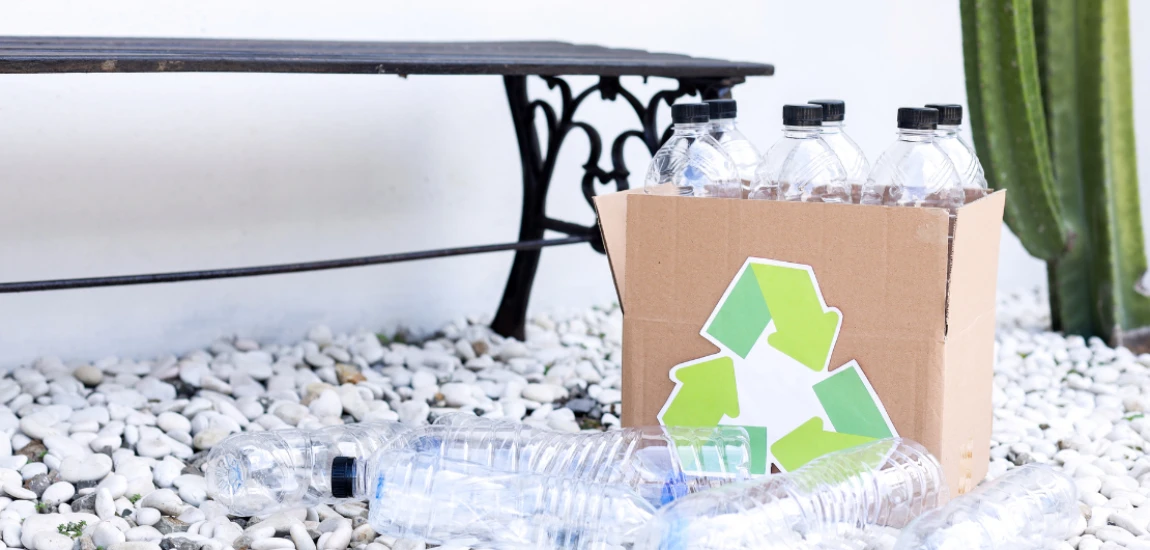
Tourism depends on a continuous flow of resources. Hotels require water, energy, furniture, food, cleaning products, and building materials. Restaurants purchase ingredients and packaging. Attractions consume electricity and materials. Transportation systems require fuel, infrastructure, and maintenance resources. Visitors also generate waste through food consumption, shopping, accommodation, and daily activities.
In a traditional linear tourism model, resources often follow a simple pattern: extract, produce, consume, and dispose. This creates significant waste and increases pressure on natural resources.
Tourism Circularity Systems provide a different approach.
A circular tourism system attempts to keep resources in use for as long as possible. Products can be repaired, reused, refurbished, shared, recycled, or transformed into new resources. Food waste can become compost. Treated wastewater can support landscaping. Furniture can be repaired instead of discarded. Packaging can be reused. Construction materials can be recovered and used in new projects.
Circularity is therefore more than recycling. It involves redesigning tourism operations so that waste is reduced from the beginning and resources remain valuable throughout their useful life.
For destinations facing increasing resource costs, waste management challenges, climate pressures, and sustainability expectations, tourism circularity can become an important strategy.
The following sections explain how Tourism Circularity Systems can reduce waste, improve resource efficiency, support local economies, and create more resilient tourism destinations.
Understanding Tourism Circularity Systems

Tourism Circularity Systems are frameworks that help tourism businesses and destinations reduce resource waste and keep materials, products, water, food, and other resources circulating within the tourism economy for longer periods.
Moving From Linear to Circular Tourism
A linear tourism system often follows the pattern of purchasing resources, using them, and eventually disposing of them.
This approach can create unnecessary waste because products may be discarded even when they still have useful value.
A circular tourism model changes this process.
Instead of asking only how to dispose of waste, tourism businesses can ask how waste can be prevented, reused, repaired, repurposed, or returned to productive systems.
This creates a more efficient resource cycle.
Understanding Resource Loops
Circularity depends on creating resource loops.
For example, food waste from a hotel restaurant could be separated and converted into compost. Organic compost could then support local agriculture that supplies food to tourism businesses.
Similarly, wastewater can potentially be treated and reused for suitable non-potable purposes, depending on local regulations and technical conditions.
These loops reduce the need for new resources and decrease the amount of material sent to landfill or other disposal systems.
Designing Circular Tourism Operations
Circularity should be considered throughout the tourism operation.
Businesses can examine purchasing, storage, consumption, maintenance, waste management, and disposal.
A hotel, for example, can reduce single-use products, purchase durable furniture, introduce refill systems, donate usable items, repair equipment, and separate recyclable materials.
These small changes can become part of a larger destination-wide circular tourism strategy.
Reducing Waste Across Tourism Businesses

Waste reduction is one of the most visible applications of tourism circularity. Hotels, restaurants, attractions, events, and transportation providers can all identify opportunities to prevent unnecessary waste.
Reducing Food Waste
Food waste can represent a major challenge in tourism, particularly in hotels, restaurants, buffets, and large events.
Businesses can reduce food waste by improving demand forecasting, managing portion sizes, monitoring kitchen waste, storing ingredients properly, and donating suitable surplus food where appropriate and legally permitted.
Organic waste that cannot be used for consumption can potentially be processed through composting or other suitable systems.
Reducing food waste can save money while lowering the environmental impact associated with food production and disposal.
Reducing Single-Use Products
Tourism businesses can reduce dependence on disposable products by introducing reusable alternatives.
Hotels can provide refillable bathroom products instead of individual containers. Restaurants can use reusable service items where operationally appropriate. Tourism events can introduce reusable cups, plates, signage, and equipment.
Refill stations can also reduce demand for single-use plastic bottles.
These measures can significantly reduce the volume of waste generated by tourism activities.
Improving Waste Separation
Even when waste cannot be eliminated, proper separation can improve resource recovery.
Tourism businesses can establish clearly labeled systems for organic waste, recyclable materials, reusable items, and general waste.
Staff training is important because poorly separated waste can reduce recycling opportunities.
Visitor education can also encourage better waste behavior.
Creating Circular Water and Energy Systems

Water and energy are essential tourism resources. Circular approaches can help destinations reduce consumption and make better use of resources already available.
Reusing Water Resources
Water circularity involves treating and reusing water where technically appropriate and permitted.
Hotels and tourism facilities can explore systems for rainwater collection, wastewater treatment, greywater reuse, and efficient irrigation.
Reused water may be suitable for landscaping, cleaning, or other non-potable applications depending on quality standards and local regulations.
Water monitoring systems can also identify leaks and unnecessary consumption.
Improving Energy Efficiency
Energy circularity is closely connected to efficiency and renewable energy.
Tourism businesses can reduce energy demand through efficient lighting, heating and cooling systems, building insulation, smart controls, and energy monitoring.
Renewable energy sources can further reduce dependence on fossil fuels.
Hotels and attractions can use energy management systems to identify peak demand periods and optimize consumption.
Recovering Useful Energy
Some waste streams contain energy that can potentially be recovered through appropriate technologies.
Organic waste can be processed through anaerobic digestion to produce biogas in suitable circumstances. Waste heat from certain systems can potentially be recovered and reused.
These approaches require appropriate infrastructure and technical assessment, but they demonstrate how waste can become a resource rather than simply a disposal problem.


Shivya Nath authors "The Shooting Star," a blog that covers responsible and off-the-beaten-path travel. She writes about sustainable tourism and community-based experiences.
Shivya Nath

Prev Post

Next Post