
Climate-Resilient Destination Development – Preparing Destinations for Climate Change
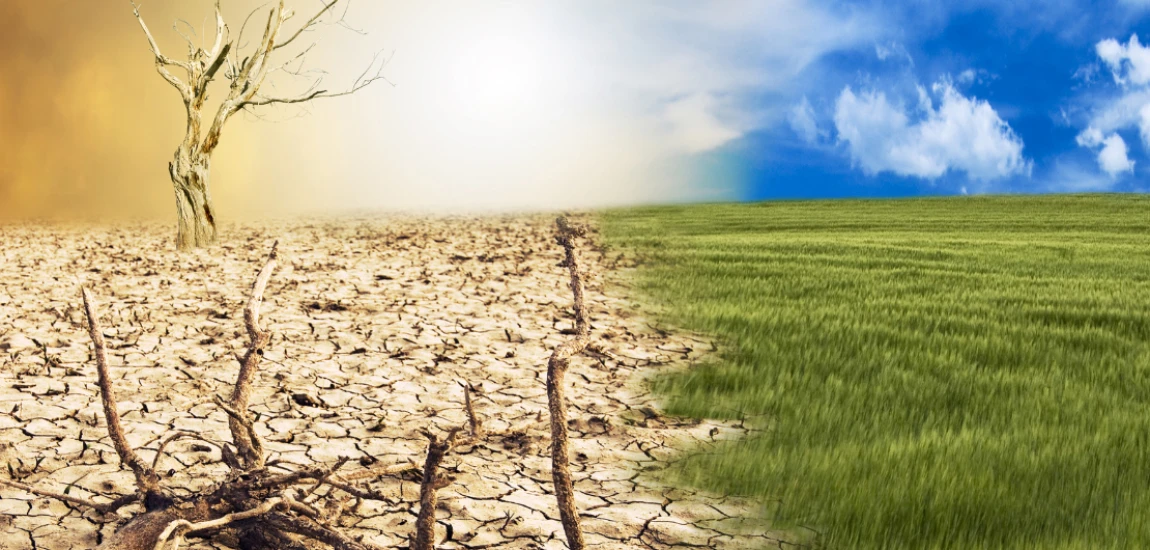
Climate change is transforming the tourism industry by increasing environmental risks, disrupting travel patterns, and placing pressure on the natural and cultural resources that make destinations attractive. Rising temperatures, coastal erosion, flooding, wildfires, water shortages, and extreme weather events can damage tourism infrastructure, threaten local livelihoods, and reduce visitor confidence. Destinations that depend heavily on beaches, mountains, forests, wildlife, or predictable seasonal conditions are particularly exposed to these challenges.
**Climate-resilient destination development** provides a strategic approach to preparing tourism destinations for current and future climate pressures. It combines climate risk assessment, sustainable infrastructure, ecosystem protection, emergency planning, responsible investment, and community participation to help destinations adapt to changing conditions.
Rather than responding to disasters only after damage occurs, climate-resilient planning identifies vulnerabilities early and incorporates adaptation into tourism development decisions. It also recognizes that resilience is not simply about protecting hotels and attractions. It requires safeguarding residents, essential services, natural ecosystems, cultural heritage, and the economic systems that support tourism.
By adopting climate-smart planning, destinations can reduce disruption, protect local resources, improve visitor safety, and strengthen their long-term competitiveness. The goal is to develop tourism systems that can withstand climate-related shocks, recover effectively, and continue delivering benefits to local communities.
Understanding Climate-Resilient Destination Development

Identifying Climate Risks to Tourism
Climate-resilient destination development begins by understanding how climate hazards affect a location. Coastal destinations may face sea-level rise, storm surges, and shoreline erosion, while mountain regions may experience changing snowfall, landslides, and glacial hazards. Urban destinations can face extreme heat, flooding, and pressure on electricity and water supplies.
Tourism authorities should assess both immediate hazards and long-term environmental changes. This includes examining historical weather records, climate projections, infrastructure conditions, visitor patterns, and the dependence of local businesses on vulnerable natural resources.
For example, a beach destination that relies on coastal hotels may need to assess erosion, drainage capacity, freshwater availability, and emergency evacuation routes. A mountain destination may need to evaluate changing winter conditions and risks to roads, trails, and outdoor activities.
Building a Destination-Wide Resilience Strategy
Climate risks rarely affect one tourism business in isolation. A flood can disrupt accommodation, transportation, food deliveries, attractions, and emergency services simultaneously. Resilience planning must therefore connect businesses, communities, infrastructure providers, and public authorities.
A destination-wide strategy should establish clear responsibilities, prioritize high-risk locations, identify essential services, and define practical adaptation measures. Plans should also include measurable targets, funding arrangements, and regular reviews.
Integrating Adaptation Into Tourism Decisions
Climate resilience is most effective when it becomes part of everyday planning rather than a separate environmental project. Tourism authorities can include climate assessments in land-use decisions, construction approvals, investment evaluations, and destination marketing strategies.
New facilities should be designed around credible future climate conditions instead of relying only on historical weather patterns. This helps reduce future repair costs and prevents development in areas where risks may become unacceptable.
Climate-Smart Tourism Infrastructure and Sustainable Construction

Designing Infrastructure for Extreme Weather
Tourism infrastructure must be capable of operating under changing environmental conditions. Roads, airports, hotels, visitor centers, utilities, and public spaces may require improvements to withstand stronger storms, heavier rainfall, extreme heat, or prolonged dry periods.
Climate-smart construction can include improved drainage, heat-resistant materials, flood protection, reinforced structures, shaded walkways, and backup power systems. The appropriate measures depend on local hazards, engineering assessments, and expected infrastructure lifespans.
Destination planners should also evaluate the location of new developments. Building critical facilities in flood-prone areas or unstable coastal zones can create long-term financial and safety risks.
Improving Energy and Water Efficiency
Climate change can increase cooling requirements and place pressure on water supplies. Tourism businesses can improve resilience through energy-efficient buildings, efficient cooling equipment, water-saving fixtures, leak detection, and appropriate rainwater collection systems.
Renewable energy and battery storage may help maintain essential services during grid interruptions, provided systems are properly designed and maintained.
Water reuse can also reduce pressure on freshwater resources where suitable treatment, public health protections, and local regulations permit it. Destinations should avoid treating efficiency measures as a substitute for sustainable water allocation and infrastructure planning.
Prioritizing Long-Term Infrastructure Value
The lowest initial construction cost does not always produce the best long-term result. Climate-resilient infrastructure should be evaluated according to its expected lifespan, maintenance requirements, environmental effects, and potential losses avoided during climate events.
Tourism authorities can use lifecycle cost assessments to compare adaptation options. They should also maintain infrastructure inspection schedules and allocate funding for routine repairs.
Investing in resilience before a disaster occurs can reduce disruption, protect tourism assets, and support faster recovery when extreme conditions arise.
Protecting Natural Ecosystems Through Climate Adaptation

Restoring Coastal and Marine Environments
Coastal ecosystems such as mangroves, dunes, wetlands, coral reefs, and seagrass beds can help reduce erosion, support biodiversity, and strengthen the natural resilience of tourism destinations. Their effectiveness depends on local environmental conditions, ecosystem health, and the severity of climate hazards.
Tourism development can support ecosystem restoration through conservation funding, responsible visitor activities, shoreline protection, and partnerships with environmental organizations.
However, restoration should not be used to justify inappropriate construction in vulnerable areas. Natural protection measures work best when combined with sound land-use planning, scientific assessment, and reductions in the pressures that damage ecosystems.
Protecting Forests and Mountain Landscapes
Forest destinations may face increasing wildfire risk, drought, changing species distributions, and erosion. Mountain destinations can experience unstable slopes, changing snow conditions, and increased pressure on sensitive habitats.
Adaptation measures may include forest restoration, responsible trail management, habitat protection, wildfire preparedness, and monitoring of environmentally sensitive areas.
Tourism operators should collaborate with conservation specialists and local communities to identify vulnerable ecosystems and establish suitable visitor practices.
Supporting Nature-Based Adaptation
Nature-based solutions use healthy ecosystems to help address environmental challenges. Examples include restoring wetlands to retain floodwater, planting suitable vegetation to stabilize slopes, and protecting urban green spaces to reduce heat.
These solutions can provide multiple benefits, including biodiversity conservation, improved visitor experiences, and stronger environmental quality.
Their design should be based on local evidence and ecological suitability. Monitoring is essential to determine whether interventions remain effective as climate conditions change.


Gary Arndt operates "Everything Everywhere," a blog focusing on worldwide travel. An award-winning photographer, Gary shares stunning visuals alongside his travel tales.
Gary Arndt

Prev Post

Next Post