
Circular Tourism Resource Management – Reducing Waste and Reusing Tourism Resources
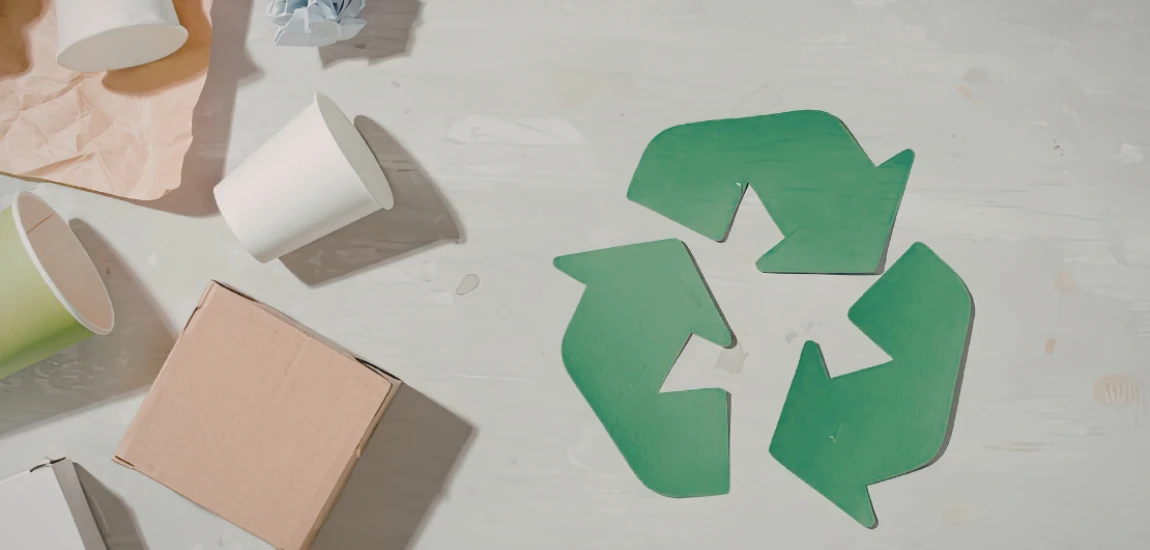
Tourism creates economic opportunities, supports local businesses, and connects travelers with remarkable destinations. However, tourism activities also consume significant amounts of water, energy, food, construction materials, and other resources. Hotels generate food waste, attractions produce disposable packaging, and destinations face increasing pressure on waste collection systems and natural environments. These challenges make resource efficiency an essential part of responsible tourism development.
**Circular Tourism Resource Management** offers a practical approach to addressing these issues. Instead of following a traditional model in which resources are purchased, used, and discarded, circular tourism focuses on reducing consumption, extending product lifespans, reusing materials, repairing equipment, and recovering valuable resources.
This approach can help hotels, restaurants, tour operators, transport providers, and destination managers reduce operational costs while minimizing environmental damage. It can also create opportunities for local recycling businesses, repair services, sustainable suppliers, and community-based enterprises.
By integrating circular economy principles into tourism planning, destinations can move toward a system in which resources remain useful for longer, waste becomes a potential source of value, and environmental responsibility becomes part of everyday operations.
Understanding Circular Tourism Resource Management

Moving Beyond the Traditional Linear Tourism Model
The traditional tourism economy often follows a linear pattern: resources are extracted, products are manufactured, services are delivered, and unwanted materials are discarded. A hotel may purchase disposable toiletries, replace furniture before its useful life ends, and send food scraps to landfill. Although these practices may appear convenient, they can create unnecessary costs and environmental pressures.
Circular tourism resource management replaces this approach with a system designed to prevent waste and preserve value. Hotels can introduce refillable bathroom dispensers, repair furniture, donate suitable surplus items, and work with suppliers that offer reusable packaging.
Restaurants can improve purchasing decisions, redesign menus around available ingredients, and separate unavoidable food scraps for appropriate composting or other recovery processes.
Applying Circular Economy Principles to Tourism
A circular tourism system follows several interconnected principles: reduce unnecessary consumption, reuse products, repair equipment, recycle suitable materials, and recover resources when higher-value options are not possible.
The order matters. Preventing waste is generally preferable to recycling materials after they have already been consumed and discarded. For example, reducing food overproduction is usually more effective than managing large quantities of leftover food.
Circular practices can also extend to tourism infrastructure. Buildings may incorporate durable materials, repairable equipment, efficient water systems, and designs that allow components to be replaced rather than requiring complete renovation.
Creating Environmental and Economic Value
Circular resource management can reduce purchasing expenses, disposal fees, and exposure to supply disruptions. It can also support local employment through repair workshops, reusable packaging services, recycling operations, and sustainable product manufacturing.
Destinations should evaluate these benefits alongside environmental indicators such as waste generation, water consumption, energy use, and material recovery. The goal is not simply to manage waste more efficiently but to prevent unnecessary resource use while maintaining high-quality visitor experiences.
Reducing Food Waste Across Tourism Businesses

Improving Food Purchasing and Inventory Management
Food waste is a major opportunity for circular improvement in hotels, restaurants, resorts, and cruise operations. Waste can occur when businesses purchase excessive quantities, store ingredients incorrectly, prepare oversized portions, or fail to coordinate kitchen production with visitor demand.
Tourism businesses can begin by measuring the food they discard and identifying where losses occur. Kitchen teams can compare purchasing records with occupancy levels, reservations, buffet consumption, and seasonal demand.
Smaller buffet batches, flexible menus, accurate stock rotation, and appropriate food storage can reduce overproduction. Where practical, menus can feature ingredients that are locally available and in season, helping businesses respond to supply conditions while supporting nearby producers.
Redistributing Safe Surplus Food
Suitable surplus food may be donated to community organizations when food safety requirements, local regulations, and reliable collection arrangements allow it. Businesses should establish clear procedures for food handling, temperature control, packaging, storage, and timely distribution.
Donation systems need dependable partners and realistic quantities. Food that cannot be safely consumed should not be distributed simply to avoid waste.
Where prevention and safe redistribution are not possible, suitable organic waste may be directed to composting or anaerobic digestion facilities, depending on local infrastructure.
Turning Food Waste Data Into Better Decisions
Regular measurement helps businesses understand whether interventions are working. Kitchens can track discarded ingredients, buffet leftovers, plate waste, and spoilage separately.
Managers can then adjust purchasing, preparation, portion sizes, and menu design. Staff training and guest communication can reinforce these improvements without compromising hospitality.
Reducing food waste conserves the resources used to grow, process, transport, and prepare food. It can also improve profitability while creating stronger relationships between tourism businesses and local food suppliers.
Reusing Materials and Reducing Single-Use Products

Replacing Disposable Items With Reusable Alternatives
Tourism businesses frequently use single-use bottles, cups, packaging, toiletries, and promotional materials. These products can generate substantial waste, especially in destinations with limited recycling facilities.
Reusable alternatives may include refillable water stations, washable food-service containers, durable cutlery, returnable beverage bottles, and refillable bathroom dispensers. Hotels can also provide filtered water where safe and appropriate, reducing reliance on individually packaged bottles.
Businesses should assess the complete life cycle of alternatives. Reusable products need suitable cleaning, efficient transport, and sufficient repeated use to deliver environmental benefits. Reuse systems should be designed around local water availability, sanitation requirements, and operational capacity.
Building Reusable Packaging Networks
Restaurants, cafés, food suppliers, and accommodation providers can collaborate on reusable packaging systems. Customers receive food or drinks in durable containers and return them through designated collection points.
A successful system requires clear return instructions, convenient collection locations, effective cleaning, and coordination among participating businesses. Deposits or digital tracking may encourage returns, but the process should remain simple for visitors.
Shared systems can reduce the need for every business to establish its own packaging infrastructure.
Extending the Life of Furniture and Equipment
Circular resource management also involves maintaining and reusing products that are often discarded during renovations. Hotels can repair chairs, refurbish furniture, replace individual components, and purchase durable equipment designed for maintenance.
Usable items that are no longer needed may be transferred to other businesses or community organizations, subject to safety and suitability checks.
These measures reduce material demand and disposal costs while supporting repair and refurbishment services. Over time, purchasing decisions can prioritize durability, repairability, and the availability of replacement parts rather than initial price alone.


Ben Schlappig runs "One Mile at a Time," focusing on aviation and frequent flying. He offers insights on maximizing travel points, airline reviews, and industry news.
Ben Schlappig

Prev Post

Next Post