
Climate-Resilient Destination Architecture – Designing Destinations to Withstand Extreme Weather and Environmental Changes
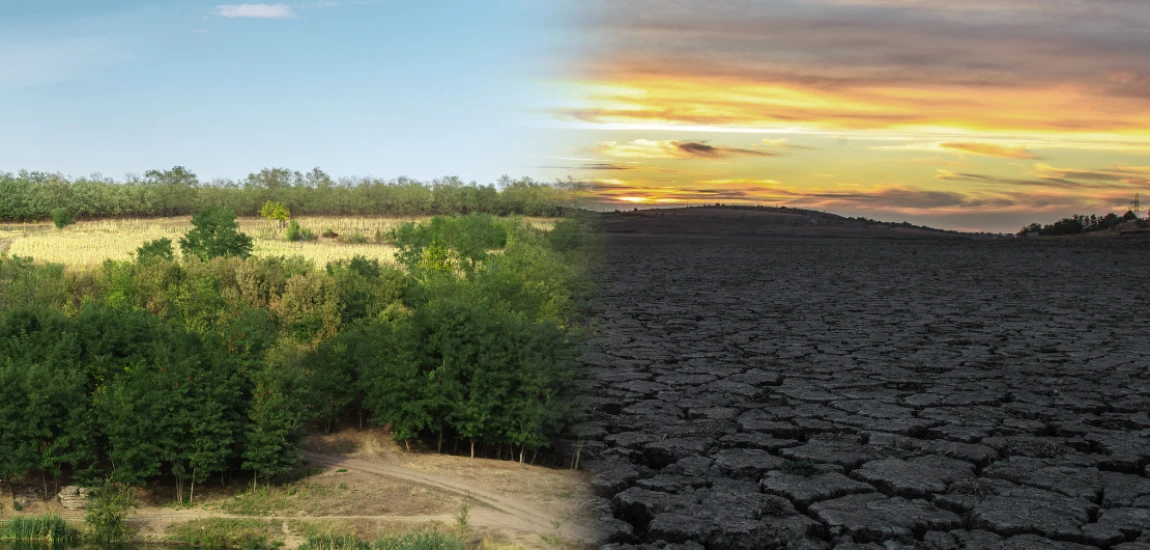
Climate change is transforming the way tourism destinations need to be planned, developed, and managed. Rising temperatures, stronger storms, flooding, droughts, wildfires, coastal erosion, changing rainfall patterns, and other environmental pressures are creating new challenges for destinations around the world. Tourism depends heavily on reliable infrastructure, attractive landscapes, safe transportation, comfortable accommodation, and functioning public spaces. When these systems are disrupted by extreme weather, both visitors and local communities can experience significant consequences.
This is why Climate-Resilient Destination Architecture is becoming increasingly important for the future of tourism.
Climate-resilient destination architecture goes beyond constructing buildings that can survive individual weather events. It involves designing entire tourism destinations to anticipate environmental risks, absorb disruptions, recover quickly, and adapt to changing climate conditions. This includes hotels, roads, airports, public spaces, attractions, utilities, coastal areas, parks, transportation systems, and community infrastructure.
A climate-resilient destination should not only survive climate-related disruptions. It should continue providing safe, comfortable, accessible, and attractive experiences while protecting local ecosystems and communities.
This approach combines climate-resilient tourism, sustainable destination design, adaptive infrastructure, environmental planning, disaster preparedness, nature-based solutions, and climate-smart architecture. Together, these strategies can help tourism destinations become stronger, safer, and more adaptable.
Understanding Climate-Resilient Destination Architecture

Designing for Long-Term Climate Conditions
Traditional tourism development often focuses on current environmental conditions. A destination may be designed according to historical rainfall, temperature, storm patterns, or coastal conditions.
However, historical conditions may no longer accurately represent future risks.
Climate-resilient architecture requires planners to consider how environmental conditions could change over decades. Buildings and infrastructure should be designed with future heat, precipitation, flooding, storms, drought, and other hazards in mind.
This means tourism planning needs a longer time horizon.
Hotels, resorts, transportation systems, visitor centers, and public spaces should be evaluated according to their ability to operate under future climate scenarios.
Creating Adaptive Tourism Destinations
Resilience is not simply about making infrastructure stronger. It is also about making it adaptable.
An adaptive destination can change how its spaces and resources are used when conditions change.
For example, public areas can be designed with flexible shading systems, water-management features, emergency facilities, and multipurpose spaces. Tourism buildings can incorporate passive cooling, renewable energy, rainwater collection, and flexible layouts.
Adaptability allows destinations to respond to changing environmental conditions without requiring complete reconstruction.
Integrating Tourism and Environmental Planning
Tourism development should not be separated from environmental planning.
A resort built in a flood-prone area may create additional risks even if its individual buildings are technically strong. Similarly, removing natural vegetation to build tourism infrastructure can increase erosion and flooding.
Climate-resilient destination architecture therefore considers the entire landscape.
The location of buildings, roads, parks, drainage systems, waterways, forests, wetlands, and coastal zones should be planned together.
This integrated approach creates stronger destinations while reducing environmental pressure.
Designing Infrastructure for Extreme Weather

Flood-Resilient Tourism Infrastructure
Flooding is one of the most important climate risks facing many destinations.
Heavy rainfall, rising sea levels, storm surges, and inadequate drainage can disrupt hotels, transportation, attractions, and public spaces.
Climate-resilient destination design can reduce these risks through elevated structures, improved drainage, permeable surfaces, retention areas, restored wetlands, flood barriers, and carefully planned development zones.
Buildings in vulnerable areas may be elevated above expected flood levels. Roads can incorporate improved drainage and water-resistant materials.
Instead of attempting to move water away as quickly as possible, modern destination planning can also create spaces where water can temporarily collect safely.
Storm-Resistant Buildings and Structures
Coastal and tropical destinations may face stronger storms, high winds, and heavy rainfall.
Tourism buildings should therefore consider structural resilience from the beginning.
Strong foundations, reinforced structures, impact-resistant windows, secure roofing, effective drainage, and protected utility systems can reduce damage.
Hotels and visitor facilities can also include emergency shelters, backup power systems, emergency communication networks, and clearly designed evacuation routes.
Resilience should be incorporated into architecture rather than added after a disaster occurs.
Reliable Transportation Networks
Tourism depends on transportation.
Roads, bridges, airports, railways, ports, and pedestrian systems can become vulnerable during extreme weather.
Climate-resilient transportation planning can include elevated roads in flood-prone areas, stronger bridges, improved drainage, alternative transportation routes, and protected critical infrastructure.
Destinations should also avoid depending entirely on a single transportation corridor.
Multiple transportation options can provide redundancy when one route becomes unavailable.
Building Climate-Resilient Tourism Facilities

Heat-Resilient Hotels and Resorts
Extreme heat can reduce visitor comfort and increase energy demand.
Hotels and resorts can address this challenge through passive cooling, shaded outdoor spaces, reflective surfaces, natural ventilation, efficient insulation, green roofs, trees, and energy-efficient cooling systems.
Building orientation is also important.
Buildings can be positioned to reduce direct solar exposure while maximizing natural ventilation. Windows, balconies, courtyards, vegetation, and shading structures can work together to create more comfortable spaces.
These strategies can reduce dependence on mechanical cooling while improving visitor comfort.
Water-Smart Destination Design
Climate change can increase water stress in many tourism destinations.
Hotels, resorts, golf courses, restaurants, and attractions can consume significant amounts of water.
Climate-resilient architecture should therefore integrate water efficiency from the beginning.
Rainwater harvesting, greywater reuse, efficient irrigation, drought-resistant landscaping, leak detection, water-efficient fixtures, and wastewater treatment can reduce pressure on local water resources.
Tourism facilities can also use landscape designs that require less irrigation.
Renewable and Backup Energy Systems
Extreme weather can cause power interruptions.
Tourism facilities that depend entirely on centralized electricity may become vulnerable during emergencies.
Solar panels, battery storage, microgrids, energy-efficient buildings, and backup generation can improve energy resilience.
Renewable energy can also reduce the carbon footprint of tourism infrastructure.
A resilient destination therefore connects climate adaptation with climate mitigation.
Using Nature-Based Solutions for Destination Resilience

Restoring Wetlands and Natural Water Systems
Natural ecosystems can provide important protection against climate risks.
Wetlands can absorb excess water, forests can reduce erosion, and coastal ecosystems can help protect communities from storm impacts.
Instead of replacing these systems with concrete infrastructure, destination planners can integrate them into tourism development.
Restored wetlands can become visitor attractions while also functioning as natural flood-management systems.
This creates both environmental and tourism benefits.
Green Infrastructure and Urban Cooling
Trees, green roofs, parks, gardens, and vegetated corridors can reduce heat in tourism areas.
Green infrastructure can provide shade, absorb rainwater, improve air quality, support biodiversity, and make destinations more attractive.
For cities experiencing rising temperatures, tree-lined streets and shaded pedestrian routes can make walking more comfortable for tourists and residents.
Green infrastructure can therefore contribute directly to visitor experience.
Protecting Coastal Tourism Areas
Coastal destinations face multiple climate risks, including sea-level rise, coastal erosion, storm surges, and extreme weather.
Climate-resilient coastal tourism planning should avoid unnecessary development in highly vulnerable areas.
Dunes, mangroves, wetlands, reefs, and coastal vegetation can provide natural protection.
Where appropriate, tourism infrastructure can be set back from vulnerable shorelines.
Protecting natural coastal systems can reduce risk while preserving the landscapes that attract visitors in the first place.


Gary Arndt operates "Everything Everywhere," a blog focusing on worldwide travel. An award-winning photographer, Gary shares stunning visuals alongside his travel tales.
Gary Arndt

Prev Post

Next Post