
Climate-Adaptive Destination Systems – Preparing Tourism for Environmental Changes
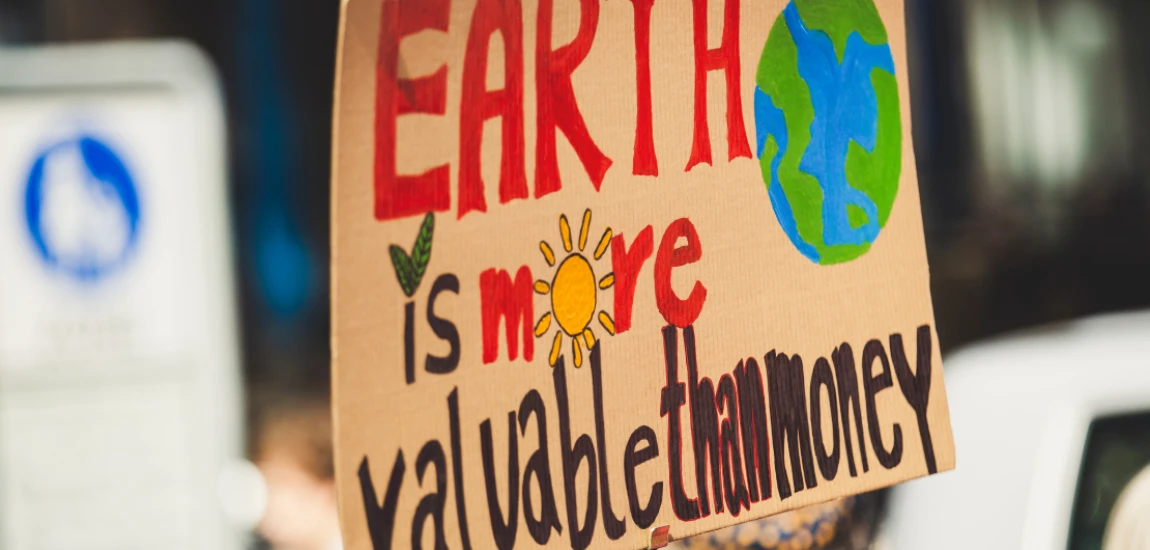
Tourism destinations are increasingly exposed to environmental changes that can affect travel seasons, infrastructure, natural attractions, water availability, transportation, and visitor safety. Rising temperatures, extreme rainfall, droughts, storms, wildfires, coastal erosion, flooding, and changing ecosystems can transform how destinations operate and how travelers experience them.
For tourism businesses and destination managers, preparing for these changes requires more than responding to individual emergencies. Destinations need systems that can continuously monitor environmental conditions, anticipate risks, adapt infrastructure, manage resources, and adjust tourism activities.
This is the purpose of Climate-Adaptive Destination Systems. These systems combine climate information, destination planning, technology, infrastructure, resource management, environmental monitoring, and visitor communication to help tourism destinations respond to changing environmental conditions.
Climate adaptation in tourism is not simply about protecting hotels or attractions. It involves understanding the entire destination ecosystem. Transportation, accommodation, public spaces, natural areas, local communities, tourism businesses, emergency services, and visitors are interconnected.
A climate-adaptive destination can therefore adjust its tourism activities as conditions change. It may modify operating hours during extreme heat, improve water efficiency during droughts, create flood-resilient infrastructure, diversify attractions, protect natural ecosystems, and provide visitors with timely environmental information.
The goal is to build tourism systems that remain functional, attractive, safe, and economically viable while environmental conditions continue to evolve.
Understanding Climate-Adaptive Destination Systems

What Climate Adaptation Means for Tourism
Climate adaptation refers to adjusting systems, infrastructure, policies, and activities to reduce the negative effects of environmental changes.
In tourism, adaptation can involve changing how destinations design buildings, manage water, operate transportation, protect attractions, organize visitor activities, and prepare for emergencies.
For example, a destination experiencing increasing heat may introduce shaded public areas, cooling stations, heat-resistant infrastructure, and alternative visiting hours.
A coastal destination facing flooding may improve drainage, elevate vulnerable facilities, restore natural barriers, and develop emergency evacuation systems.
These actions help tourism continue functioning even when environmental conditions become more challenging.
Why Tourism Destinations Need Adaptive Systems
Tourism depends heavily on environmental conditions.
Beaches, mountains, forests, wildlife areas, cultural landscapes, lakes, and outdoor attractions all influence destination demand. When environmental conditions change, tourism experiences can change as well.
A destination that relies heavily on one climate-sensitive attraction may face significant economic pressure if that attraction becomes less accessible or attractive.
Climate-adaptive destination planning therefore encourages diversification and flexibility.
Instead of assuming that future environmental conditions will remain similar to the past, destination managers can prepare for multiple scenarios.
Moving From Reaction to Preparation
Traditional disaster management often focuses on responding after an event occurs.
Climate adaptation takes a longer-term approach.
Destinations can identify vulnerable locations, assess infrastructure weaknesses, analyze environmental trends, and prepare strategies before risks become severe.
This can reduce disruption and help tourism businesses recover more quickly after environmental events.
An adaptive approach creates a continuous cycle of monitoring, planning, implementation, evaluation, and improvement.
Building Climate-Resilient Tourism Infrastructure

Designing Resilient Hotels and Accommodation
Accommodation facilities are central to tourism infrastructure and can face risks from heat, flooding, storms, water shortages, and energy disruptions.
Climate-resilient hotels can use energy-efficient cooling systems, improved insulation, water-saving technologies, renewable energy, backup power, flood protection, and heat-resistant materials.
Buildings can also be designed to use natural ventilation and shading where local conditions allow.
Green roofs, reflective surfaces, vegetation, and shaded outdoor spaces can reduce heat exposure.
These improvements can increase resilience while potentially lowering operating costs over time.
Protecting Transportation Networks
Transportation systems are essential for visitor mobility.
Roads, railways, airports, ports, bridges, and public transportation can be disrupted by flooding, storms, extreme heat, landslides, or other environmental events.
Climate-adaptive tourism planning should identify vulnerable transportation routes and develop alternative connections.
Destinations can also invest in resilient public transportation, improved drainage, elevated infrastructure in vulnerable areas, and real-time travel information.
Reliable transportation allows visitors and residents to move safely even when environmental conditions change.
Strengthening Tourism Attractions
Tourism attractions also need adaptation.
Historic buildings may require protection from moisture, flooding, heat, or extreme weather. Natural attractions may require ecosystem restoration and visitor management.
Outdoor attractions can introduce shaded areas, water stations, weather monitoring, emergency communication, and flexible operating schedules.
Climate-resilient infrastructure should protect the attraction while maintaining its cultural, environmental, or experiential value.
Managing Water, Energy, and Natural Resources

Climate-Smart Water Management
Water availability is becoming an important tourism planning concern in many destinations.
Hotels, restaurants, attractions, golf courses, swimming facilities, and public spaces can all require substantial water resources.
Climate-adaptive destinations can introduce water-efficient fixtures, rainwater collection, wastewater treatment, irrigation controls, leak detection, and responsible landscaping.
Tourism businesses can also educate visitors about water conservation without reducing the quality of the visitor experience.
Effective water management becomes particularly important in destinations experiencing drought or seasonal shortages.
Improving Energy Resilience
Tourism businesses depend on reliable energy for lighting, cooling, heating, refrigeration, transportation, communication, and digital services.
Climate-adaptive tourism systems can improve energy efficiency while increasing resilience through renewable energy and energy storage.
Solar energy, efficient appliances, smart building controls, and battery systems can reduce dependence on vulnerable energy networks.
Energy planning should also consider periods of extreme demand, such as heatwaves when cooling requirements increase sharply.
Protecting Ecosystems and Natural Resources
Natural ecosystems can provide important protection against environmental risks.
Wetlands can absorb excess water, forests can reduce erosion, vegetation can provide shade, and coastal ecosystems can help reduce storm impacts.
Tourism planning should therefore recognize ecosystems as part of destination infrastructure.
Nature-based adaptation can protect tourism assets while supporting biodiversity.
Restoring wetlands, planting native vegetation, protecting forests, and maintaining coastal ecosystems can contribute to both environmental resilience and visitor experiences.
Using Technology for Climate-Adaptive Tourism

Environmental Monitoring Systems
Technology can help destinations understand changing environmental conditions.
Sensors, weather stations, satellite information, geographic information systems, and environmental monitoring platforms can provide information about temperature, rainfall, water levels, air quality, wildfire risks, coastal conditions, and other indicators.
This information can help destination managers identify emerging risks.
For example, a tourism authority could monitor extreme heat and use that information to adjust outdoor attraction schedules.
Predictive Climate and Tourism Analytics
Historical and real-time environmental information can support predictive analysis.
Destination managers can analyze how environmental conditions influence visitor demand, transportation, attraction operations, and resource consumption.
Predictive tourism analytics can help identify periods when certain attractions may become less suitable because of heat, flooding, storms, or other conditions.
This allows businesses to develop alternative experiences and adjust operations in advance.
Smart Visitor Communication
Visitors need timely information when environmental conditions change.
Destination applications, websites, digital signs, hotel communication systems, and travel platforms can provide alerts about weather conditions, transportation disruptions, temporary closures, heat risks, wildfire smoke, or other environmental concerns.
Communication should be clear and practical.
Instead of simply informing travelers that a risk exists, systems can explain available alternatives, safer routes, revised operating hours, or suitable indoor experiences.


Shivya Nath authors "The Shooting Star," a blog that covers responsible and off-the-beaten-path travel. She writes about sustainable tourism and community-based experiences.
Shivya Nath

Prev Post

Next Post