
Climate-Adaptive Destination Infrastructure – Preparing Tourism Facilities for Climate Change
Climate change is increasingly influencing how tourism destinations operate and plan for the future. Rising temperatures, changing rainfall patterns, flooding, drought, storms, coastal hazards, wildfires, and other climate-related risks can affect hotels, attractions, transportation systems, public spaces, water supplies, energy infrastructure, and natural tourism assets.
Tourism destinations depend heavily on reliable infrastructure. Visitors need safe transportation, comfortable accommodation, functioning attractions, dependable water supplies, energy, communication networks, and accessible public spaces. When climate-related events disrupt these systems, tourism businesses and visitors can experience significant challenges.
Climate-Adaptive Destination Infrastructure provides a framework for preparing tourism facilities and systems for changing climate conditions. Rather than designing infrastructure only according to historical weather patterns, climate adaptation considers future risks and changing environmental conditions.
Climate adaptation is different from climate mitigation. Mitigation focuses primarily on reducing greenhouse gas emissions, while adaptation focuses on adjusting systems and infrastructure to manage climate impacts. Tourism destinations need both approaches.
For example, an energy-efficient hotel can reduce emissions, while a climate-adaptive hotel may also incorporate heat-resistant materials, flood protection, water-saving systems, backup power, passive cooling, and emergency preparedness.
The objective is not simply to protect buildings. It is to create tourism destinations capable of continuing to operate safely and effectively under changing climate conditions.
Understanding Climate-Adaptive Destination Infrastructure

Climate-Adaptive Destination Infrastructure refers to tourism infrastructure that is designed, upgraded, and managed to withstand changing climate conditions while maintaining safety, functionality, accessibility, and visitor comfort.
What climate adaptation means for tourism
Tourism infrastructure includes much more than hotels.
It can include:
airports and railway stations;
roads and bridges;
hotels and resorts;
restaurants;
attractions;
beaches;
parks;
heritage buildings;
public transportation;
water systems;
electricity networks;
waste systems;
communication infrastructure; and
public spaces.
Climate change can affect each of these systems differently.
A coastal destination may face sea-level rise and storm surges. A mountain destination may experience changing snowfall and landslide risks. An urban destination may face extreme heat and flooding. A dry-region destination may experience increasing water scarcity.
Climate-adaptive planning therefore needs to be destination-specific.
Moving beyond historical infrastructure design
Traditional infrastructure planning often uses historical climate conditions as a reference.
However, historical averages may not adequately represent future conditions.
Climate adaptation requires planners to consider possible changes in temperature, precipitation, extreme events, sea levels, water availability, and other relevant risks.
This means tourism infrastructure should be designed with flexibility and future conditions in mind.
Why adaptation is important for tourism
Infrastructure disruptions can directly affect visitor experiences and tourism businesses.
A flooded road can prevent visitors from reaching an attraction. Extreme heat can make outdoor activities uncomfortable or unsafe. Water shortages can affect hotels and restaurants. Storm damage can interrupt transportation and accommodation services.
Climate-adaptive infrastructure helps destinations prepare for these challenges and recover more effectively when disruptions occur.
Designing Climate-Resilient Tourism Buildings and Facilities

Buildings are among the most important components of tourism infrastructure. Hotels, resorts, visitor centers, restaurants, museums, and cultural facilities need to remain safe and functional as climate conditions change.
Preparing buildings for extreme heat
Heat can affect visitor comfort, employee wellbeing, energy demand, and building performance.
Climate-adaptive buildings can incorporate passive cooling strategies such as shading, natural ventilation, reflective surfaces, insulation, vegetation, and appropriate building orientation.
Efficient cooling systems can also reduce energy demand.
Hotels and resorts can use smart building systems to adjust cooling according to occupancy and outdoor conditions.
These strategies can improve comfort while reducing pressure on energy systems.
Preparing facilities for flooding and storms
Flooding can damage buildings, electrical equipment, roads, and tourism facilities.
Climate-adaptive construction can include elevated structures, improved drainage, flood-resistant materials, protected electrical systems, and appropriately designed site layouts.
Storm resilience may also require stronger roofs, protected windows, emergency power systems, and secure communication infrastructure.
The appropriate solution depends on local climate risks and building conditions.
Retrofitting existing tourism infrastructure
Many destinations already have large amounts of tourism infrastructure that cannot simply be replaced.
Retrofitting can improve resilience.
Hotels may upgrade insulation, drainage, cooling systems, roofs, windows, water systems, and backup power.
Historic buildings require particularly careful planning because adaptation measures must balance climate resilience with heritage protection.
A phased approach can allow tourism businesses to improve infrastructure gradually while reducing disruption to operations.
Building Climate-Resilient Water and Energy Systems

Water and energy are essential for tourism operations, but both can become vulnerable under changing climate conditions.
Managing water scarcity
Water shortages can affect hotels, restaurants, landscaping, pools, sanitation, and local communities.
Climate-adaptive tourism destinations can improve water resilience through efficient fixtures, leak detection, rainwater harvesting, wastewater treatment, appropriate water reuse, drought-tolerant landscaping, and improved water storage.
Water management should also consider local community needs.
Tourism facilities should not create excessive pressure on local water supplies, particularly in regions already experiencing scarcity.
Strengthening energy resilience
Extreme heat can increase electricity demand because of greater cooling requirements.
At the same time, storms and other events can disrupt power supplies.
Tourism facilities can improve energy resilience through renewable energy, battery storage, energy-efficient equipment, smart building management, and backup systems.
Solar energy combined with storage can provide additional resilience for some tourism facilities, depending on local conditions and technical feasibility.
Creating integrated resource systems
Water and energy systems are interconnected.
Water treatment requires energy. Heating water requires energy. Pumping water requires electricity.
Climate-adaptive destination infrastructure should therefore consider these connections.
Integrated resource planning can help destinations identify where improvements in one system can reduce pressure on another.
This systems approach is more effective than managing water and energy as completely separate issues.
Climate-Adaptive Transportation and Public Spaces

Tourism depends heavily on mobility. Visitors need reliable ways to reach destinations, attractions, hotels, restaurants, and natural areas.
Preparing transportation networks
Roads, bridges, railways, airports, ports, and public transportation systems can be affected by extreme weather.
Flooding can close roads. Heat can damage transportation infrastructure. Storms can disrupt airports and ports. Landslides can affect mountain routes.
Climate-adaptive transportation planning can include improved drainage, stronger infrastructure, alternative routes, emergency plans, and resilient materials.
Destinations can also improve transportation diversity so that disruption to one system does not completely isolate visitors.
Designing heat-resilient public spaces
Outdoor tourism areas can become uncomfortable or unsafe during extreme heat.
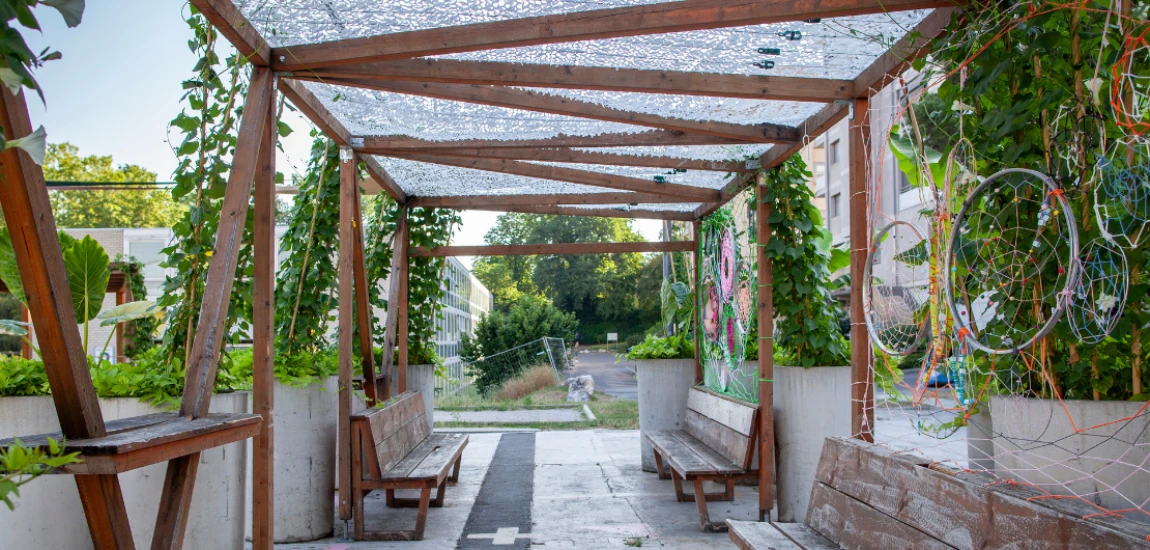
Public spaces can incorporate shade structures, trees, vegetation, water-sensitive landscaping, reflective surfaces, seating, and access to drinking water.
Tourism destinations can also design walking routes that provide shade and rest areas.
These improvements benefit visitors and residents simultaneously.
Protecting coastal tourism infrastructure
Coastal tourism destinations face specific climate risks.
Beaches, waterfront hotels, roads, marinas, restaurants, and attractions may be exposed to coastal flooding, erosion, storms, and sea-level changes.
Adaptation can include dune restoration, wetlands, coastal vegetation, improved drainage, resilient construction, managed retreat where appropriate, and carefully planned protective infrastructure.
Nature-based solutions can sometimes complement engineered structures.
The most appropriate strategy depends on local coastal conditions, risk levels, ecological systems, and community priorities.


Shivya Nath authors "The Shooting Star," a blog that covers responsible and off-the-beaten-path travel. She writes about sustainable tourism and community-based experiences.
Shivya Nath

Prev Post

Next Post