
Climate-Adaptive Destination Design – Preparing Tourism Areas for Changing Climate Conditions
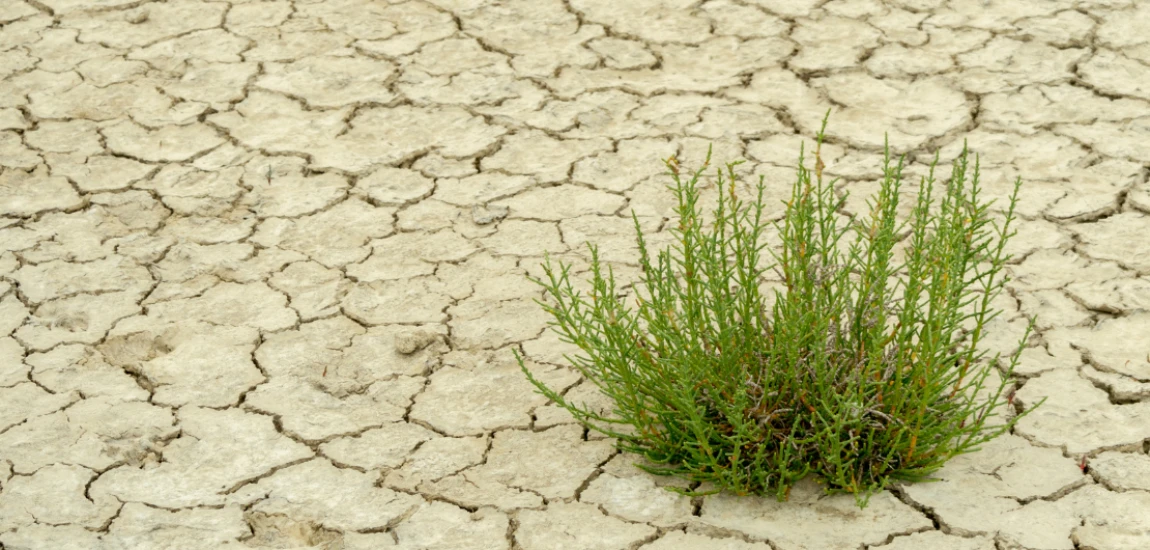
Climate change is becoming an increasingly important consideration for tourism destinations around the world. Rising temperatures, changing rainfall patterns, extreme weather events, water shortages, coastal risks, wildfires, and other environmental changes can affect where people travel, when they travel, how they experience destinations, and how tourism businesses operate.
Traditional destination planning often assumes that future environmental conditions will be similar to those experienced in the past. However, changing climate conditions make this assumption increasingly difficult to rely on. Tourism destinations need planning approaches that can respond to uncertainty and adapt as conditions change.
This is where Climate-Adaptive Destination Design becomes important.
Climate-Adaptive Destination Design focuses on creating tourism areas, infrastructure, public spaces, transportation systems, attractions, accommodations, and natural environments that can function effectively under changing climate conditions.
The goal is not simply to protect tourism infrastructure from climate risks. It is also to improve visitor comfort, protect communities, conserve natural resources, strengthen local resilience, and maintain tourism activity over the long term.
A climate-adaptive destination can use shade, greenery, water-efficient systems, resilient buildings, improved drainage, early-warning systems, diversified attractions, and climate-informed planning to reduce vulnerability.
By integrating climate adaptation into destination design today, tourism areas can become more flexible, safer, and better prepared for future conditions.
Understanding Climate-Adaptive Destination Design

Climate-Adaptive Destination Design is an approach to tourism planning that considers current and future climate conditions when developing destinations. Instead of treating climate change as an external problem, it incorporates climate risks directly into destination planning and design.
Moving Beyond Traditional Tourism Planning
Traditional tourism planning may focus primarily on visitor growth, infrastructure expansion, accommodation development, transportation, and attraction management.
Climate-adaptive planning adds another important question:
Can the destination continue functioning effectively as environmental conditions change?
For example, a destination that experiences increasing temperatures may need more shaded public spaces, cooling areas, heat-resilient buildings, and improved visitor timing strategies.
A coastal destination may need to consider sea-level rise, storm surges, coastal erosion, and changing marine conditions.
A mountain destination may need to prepare for changing snowfall patterns, landslides, extreme rainfall, or ecosystem changes.
Climate adaptation therefore needs to be specific to the environmental characteristics of each destination.
Identifying Climate Risks
The first stage of climate-adaptive destination design is understanding the risks a tourism area faces.
Destination managers can examine historical climate data, climate projections, environmental assessments, local knowledge, infrastructure conditions, and vulnerability studies.
Important risks may include:
Extreme heat
Flooding
Drought
Water shortages
Wildfires
Storms
Coastal erosion
Landslides
Changing snowfall
Ecosystem degradation
Understanding these risks allows tourism planners to identify vulnerable areas and prioritize adaptation measures.
Designing for Long-Term Flexibility
Climate adaptation should not be treated as a one-time project.
Climate conditions can continue changing, so destinations need flexible systems that can be modified over time.
For example, public spaces can be designed so additional shade structures can be installed later. Buildings can be designed with adaptable cooling systems. Drainage infrastructure can be upgraded as rainfall patterns change.
This flexibility helps destinations avoid costly redesigns and supports long-term tourism resilience.
Designing Climate-Resilient Tourism Infrastructure

Tourism infrastructure plays a central role in destination resilience. Hotels, roads, airports, public spaces, attractions, utilities, and transportation systems all need to function under changing environmental conditions.
Building Heat-Resilient Tourism Areas
Extreme heat can affect visitor comfort, public health, transportation, outdoor attractions, and tourism business operations.
Climate-adaptive destination design can respond through shaded walkways, tree planting, reflective surfaces, water-efficient landscaping, cooling areas, ventilation, and climate-sensitive building design.
Tourism businesses can also adjust operating hours during periods of extreme heat.
Outdoor attractions may benefit from additional shaded rest areas and improved access to drinking water.
These measures can make destinations more comfortable while also reducing exposure to dangerous heat conditions.
Improving Flood and Storm Resilience
Flooding can damage roads, hotels, attractions, utilities, and public spaces.
Climate-adaptive tourism infrastructure can include improved drainage, permeable surfaces, flood-resistant construction, elevated infrastructure where appropriate, wetland restoration, retention areas, and improved emergency access.
Storm-resilient design can also include stronger building standards, protected utilities, emergency communication systems, and evacuation planning.
Instead of relying entirely on hard infrastructure, destinations can combine engineered solutions with natural systems.
Wetlands, mangroves, forests, dunes, and other natural features can provide important protective functions while also supporting tourism and biodiversity.
Creating Flexible Transportation Systems
Transportation is essential for tourism but can be vulnerable to extreme weather.
Roads can be affected by floods, landslides, extreme heat, or storms. Airports and ports may also face disruptions.
Climate-adaptive transportation planning can include multiple transportation options, resilient roads, improved public transit, pedestrian infrastructure, cycling routes, and alternative access routes.
A diversified transportation system can help destinations continue operating even when one part of the network experiences disruption.
Protecting Natural Resources Through Climate-Adaptive Design

Natural resources are essential to many tourism destinations. Beaches, forests, rivers, mountains, wetlands, wildlife habitats, and landscapes attract visitors while supporting local communities.
Climate change can place these resources under increasing pressure, making resource protection an important part of destination adaptation.
Building Water-Smart Tourism Destinations
Water availability is a major concern for many tourism destinations.
Hotels, restaurants, golf courses, swimming facilities, attractions, and public spaces can require significant amounts of water.
Climate-adaptive tourism planning can promote water-efficient fixtures, rainwater collection, wastewater treatment, greywater reuse, drought-resistant landscaping, and efficient irrigation.
Tourism businesses can also monitor water use per visitor to identify opportunities for improvement.
Water-smart destination design is particularly important in areas where tourism demand increases during dry seasons.
Protecting Biodiversity and Ecosystems
Healthy ecosystems can provide natural protection against climate impacts while supporting tourism experiences.
Forests can reduce erosion. Wetlands can help manage water. Coastal ecosystems can reduce storm impacts. Healthy vegetation can reduce heat in urban and tourism areas.
Climate-adaptive destination design should therefore include ecosystem conservation and restoration.
Tourism development should consider sensitive habitats and avoid placing unnecessary pressure on vulnerable ecosystems.
Nature-based tourism can also support conservation when properly planned and managed.
Strengthening Coastal Destination Resilience
Coastal tourism destinations face particular challenges from storms, erosion, sea-level changes, flooding, and ecosystem degradation.
Adaptation can include dune restoration, mangrove conservation, coastal vegetation, setback planning, improved drainage, resilient infrastructure, and responsible development practices.
In some locations, the most effective adaptation may involve reducing development pressure in highly vulnerable areas rather than continuously defending every location with engineered structures.
This requires long-term destination planning that considers environmental conditions alongside tourism development goals.


Ben Schlappig runs "One Mile at a Time," focusing on aviation and frequent flying. He offers insights on maximizing travel points, airline reviews, and industry news.
Ben Schlappig

Prev Post
Next Post