
Intelligent Tourism Water Demand and Conservation Networks: Building Water-Secure and Sustainable Destinations
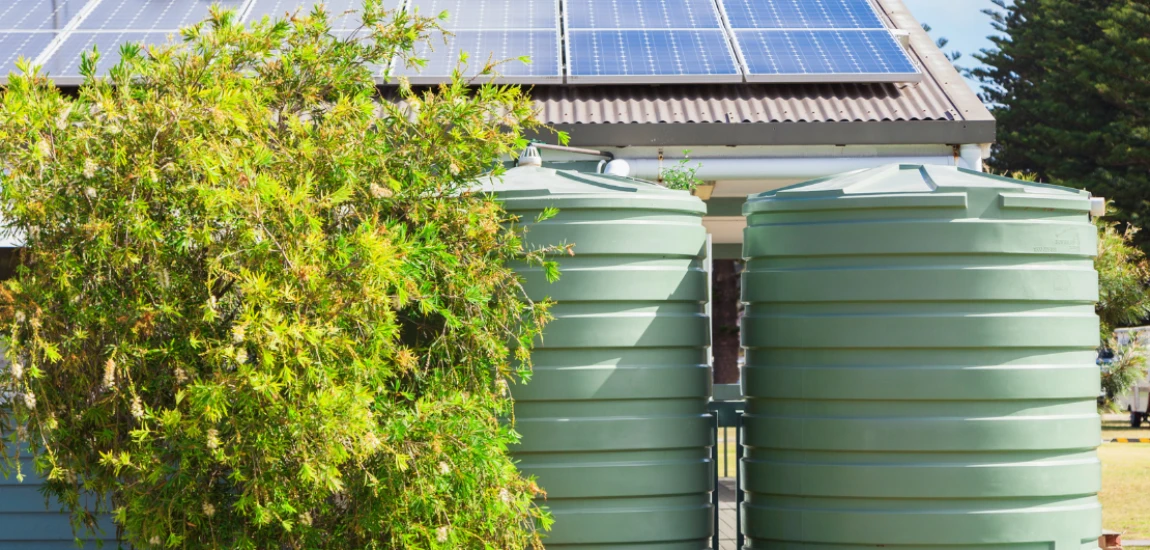
Water is essential to almost every tourism activity, from hotel operations and restaurant services to swimming pools, landscaped attractions, transportation facilities, and recreational experiences. However, increasing visitor numbers can place additional pressure on water supplies, particularly in destinations affected by drought, seasonal shortages, aging infrastructure, or competing residential and agricultural demands.
**Intelligent Tourism Water Demand and Conservation Networks** provide a data-driven approach to managing these challenges. By combining visitor forecasts, smart meters, weather information, infrastructure monitoring, and coordinated conservation planning, destinations can estimate future water requirements and identify potential shortages before they become serious problems.
Instead of allowing hotels, attractions, restaurants, and municipal utilities to manage water independently, these networks encourage information sharing and coordinated action. Tourism operators can prepare for peak demand, infrastructure managers can improve allocation decisions, and conservation teams can target areas where water savings are most achievable.
The goal is not simply to reduce water consumption. It is to ensure that tourism remains economically productive without compromising residents' access to safe water, agricultural requirements, ecosystem health, or the long-term reliability of destination infrastructure.
This article explains how intelligent tourism water management works, how forecasting and conservation technologies can improve efficiency, and which practical strategies tourism destinations can implement to build more water-secure futures.
Understanding Intelligent Tourism Water Demand and Conservation Networks

Connecting Tourism Activities With Water Resource Planning
Traditional water management often relies on historical consumption records, utility reports, and broad seasonal estimates. Although these sources are valuable, they may not fully reflect the rapid changes in tourism demand that occur during festivals, holidays, sporting events, or unexpected visitor surges.
Intelligent tourism water demand networks connect information about accommodation occupancy, attraction attendance, restaurant activity, weather conditions, and municipal water availability. These inputs help managers understand how tourism influences consumption across different locations and periods.
For example, a coastal destination may experience a substantial increase in water demand when hotel occupancy rises during the dry season. If the local utility can access reliable visitor forecasts, it can prepare operational plans, inspect vulnerable infrastructure, and coordinate conservation measures before pressure on the supply becomes critical.
This approach links tourism planning with wider destination resource management rather than treating water consumption as an isolated business expense.
Integrating Stakeholders Into a Shared Network
An effective conservation network involves hotels, resorts, restaurants, attractions, water utilities, municipal authorities, farmers where relevant, and environmental organizations.
Each participant contributes different information. Hotels can report occupancy and metered consumption, attractions can share attendance forecasts, and utilities can provide information about supply capacity, reservoir conditions, and network constraints.
A coordinating organization can combine these insights into a shared planning framework. It can identify areas with unusually high demand, establish conservation priorities, and coordinate communication during shortages.
Data-sharing agreements should define responsibilities, reporting standards, privacy protections, and access rights. Small businesses should also have practical ways to participate without investing in expensive technology.
Building Water Security Into Sustainable Tourism
Water security means having reliable access to sufficient water of appropriate quality while managing risks to communities, economies, and ecosystems.
Tourism destinations can strengthen water security by reducing avoidable demand, improving infrastructure efficiency, diversifying appropriate water sources, and preparing for droughts and supply disruptions.
Success should be measured through more than total water savings. Relevant indicators include water consumption per guest-night, leakage rates, peak demand, reuse volumes, service reliability, and the condition of local water resources.
By connecting these measures with tourism development decisions, destinations can pursue visitor growth more responsibly and protect the resources on which tourism and everyday life depend.
Forecasting Visitor-Related Water Consumption

Using Tourism Demand Data to Predict Water Needs
Water consumption often changes with visitor numbers, accommodation occupancy, attraction attendance, and the length of the tourism season. Predictive water demand models can combine these factors with historical utility data to estimate future requirements.
For example, a resort area expecting higher occupancy during a holiday period may forecast increased demand for showers, laundry, kitchens, pools, and landscaping. A destination hosting a large outdoor event may need additional water for sanitation, cleaning, food services, and visitor facilities.
Forecasting allows utilities and tourism businesses to estimate how much water may be needed, when demand will peak, and where additional pressure could occur.
Models should distinguish between different types of tourism activity because a campsite, luxury resort, conference venue, and heritage attraction may have very different consumption patterns.
Incorporating Weather and Seasonal Conditions
Weather has a significant influence on tourism water demand. Hot conditions may increase showering, drinking water requirements, swimming pool use, and irrigation for landscaped areas.
At the same time, drought can reduce water availability, while heavy rainfall may change irrigation requirements and increase opportunities for rainwater collection.
Intelligent forecasting systems combine weather forecasts, seasonal climate patterns, visitor projections, and local supply information to estimate future demand under different conditions.
A destination can use these forecasts to test scenarios such as an unusually hot summer, a prolonged dry period, or a sudden increase in visitors. These scenarios help managers prepare conservation measures before shortages become urgent.
Improving Forecast Accuracy Through Continuous Monitoring
Forecasts should be compared with actual consumption to identify where models perform well and where they need adjustment.
Smart meters can provide regular readings, while occupancy systems and attraction ticketing records can help explain changes in demand. Managers can investigate unexpected consumption spikes and distinguish legitimate operational needs from leaks, inefficient equipment, or poor management practices.
Useful forecasting indicators include daily demand, peak-hour consumption, water use per occupied room, and consumption per visitor where reliable attendance data is available.
Tourism water forecasts should be updated as conditions change. A continuously reviewed model is more useful than an annual estimate that becomes outdated when weather patterns, visitor numbers, or infrastructure conditions shift.
Identifying Water Shortages and Managing Destination Risks

Developing Early Warning Systems
Water shortages can develop when visitor demand increases faster than available supply, infrastructure capacity, or seasonal replenishment. Intelligent monitoring systems help identify warning signals before they develop into service interruptions.
Potential indicators include falling reservoir levels, declining groundwater measurements, increasing network pressure problems, repeated supply interruptions, unusually high consumption, and official drought warnings.
When these indicators are combined with projected tourism demand, authorities can identify destinations or neighborhoods that may face greater pressure.
For example, a destination may discover that several large hotels are expected to operate at full occupancy during a period of restricted water supply. Early identification allows managers to coordinate efficiency measures, review storage arrangements, and communicate realistic expectations to visitors and businesses.
Mapping Vulnerable Locations and Infrastructure
Geographic information systems can map hotels, attractions, water distribution networks, reservoirs, treatment facilities, and areas exposed to drought or flooding.
Combining these layers helps planners identify where water supply infrastructure may be vulnerable and which tourism facilities depend on constrained supply systems.
Risk mapping can also reveal where leakage repairs, storage improvements, or alternative supply arrangements would provide the greatest benefits.
Infrastructure decisions should consider residents and essential services alongside tourism facilities. Tourism should not automatically receive priority over households, healthcare services, sanitation, or other critical needs during shortages.
Coordinating Responses to Water Emergencies
A water shortage requires coordinated action rather than isolated conservation campaigns.
Destination authorities should establish response procedures with utilities, accommodation providers, attractions, and local emergency management teams. These procedures can define when conservation restrictions begin, who communicates updates, and which uses should be reduced first.
For example, a destination may temporarily suspend nonessential landscape irrigation, increase leak inspections, and limit decorative water features while maintaining essential hygiene and sanitation services.
Communication should explain the reasons for restrictions, the expected duration where known, and the actions required from businesses and visitors.
By combining risk forecasting with clear responsibilities, destinations can respond earlier, reduce disruption, and protect access to essential water supplies.


Gary Arndt operates "Everything Everywhere," a blog focusing on worldwide travel. An award-winning photographer, Gary shares stunning visuals alongside his travel tales.
Gary Arndt

Prev Post
Next Post