
Biophilic Travel Experiences: How Nature-Centered Design Is Transforming Hotels, Resorts, and Destinations
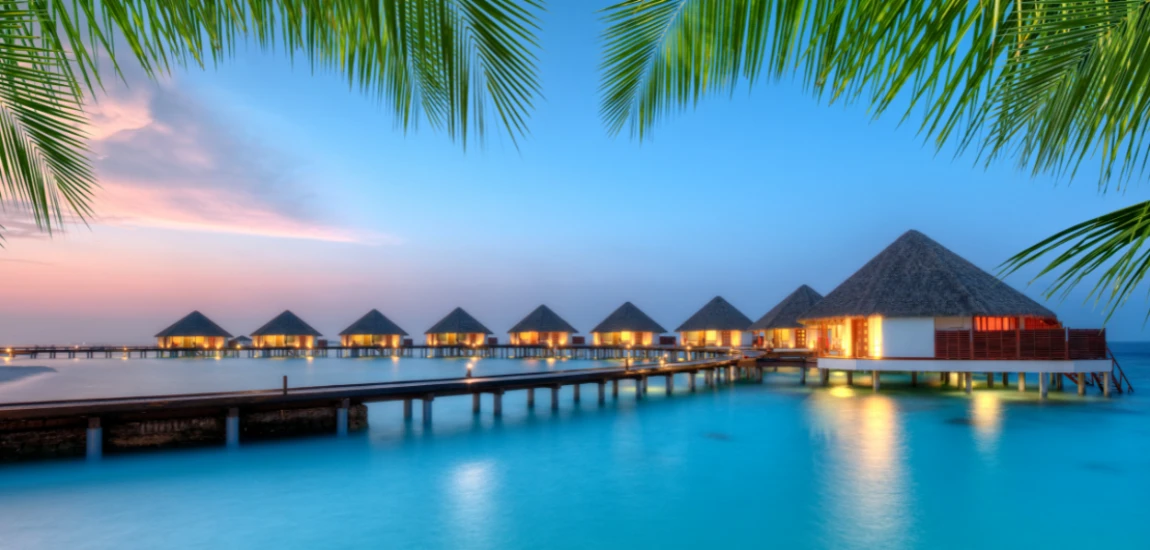
Travelers are increasingly looking for destinations that provide more than beautiful views and comfortable accommodation. In a world dominated by technology, traffic, concrete environments, and busy schedules, many people are searching for opportunities to reconnect with nature. This changing demand is helping biophilic travel experiences become an important trend in the future of tourism.
Biophilic travel is based on the idea of incorporating natural elements into the places where people live, work, relax, and travel. In tourism, this can mean hotels surrounded by greenery, resorts designed around natural landscapes, rooms filled with daylight and fresh air, gardens integrated into architecture, natural materials, water features, forest pathways, and outdoor spaces that encourage visitors to spend more time in nature.
However, biophilic design is about more than adding a few plants to a hotel lobby. It involves creating a deeper relationship between people and the natural world. Architecture, landscape design, lighting, materials, sounds, views, and visitor experiences can all work together to create environments that feel connected to nature.
As travelers increasingly prioritize wellness, sustainability, authenticity, and meaningful experiences, biophilic tourism offers hotels and destinations an opportunity to create spaces that feel both restorative and memorable. It can also support environmental responsibility when nature-centered design is combined with biodiversity protection, renewable resources, water conservation, and responsible destination planning.
The result is a new approach to travel where nature is not simply something travelers visit. Nature becomes part of the travel experience itself.
What Are Biophilic Travel Experiences?

Understanding biophilic design in tourism
Biophilic design focuses on strengthening the relationship between people and nature through the built environment. In hotels and resorts, this can involve large windows overlooking landscapes, indoor gardens, natural ventilation, wooden surfaces, stone, water elements, natural patterns, and outdoor spaces.
The concept can also extend beyond architecture. A destination may use native landscaping, walking trails, wildlife habitats, community gardens, natural swimming areas, and shaded public spaces to create a stronger connection between visitors and the environment.
Biophilic travel experiences therefore combine design with experiences. A traveler may wake up to a forest view, walk through a native garden, eat locally sourced food outdoors, listen to natural sounds, and spend an evening under the stars.
Why nature-centered travel is becoming popular
Modern lifestyles can leave people disconnected from natural environments. Many travelers spend much of their time indoors or surrounded by digital devices.
Travel provides an opportunity to change that environment.
Nature-centered accommodation can give visitors access to greenery, sunlight, fresh air, water, natural landscapes, and outdoor activities. These features can make a destination feel more peaceful and distinctive.
Travelers are also becoming more interested in wellness and sustainability. Biophilic design brings these interests together by creating spaces where nature, comfort, and responsible tourism can coexist.
Beyond decoration
A common misunderstanding is that biophilic design simply means placing plants inside a building. While plants can be important, genuine biophilic design is much broader.
It can include natural ventilation, daylight, views of nature, organic architectural forms, natural textures, biodiversity, water, outdoor movement, and sensory connections with landscapes.
The strongest biophilic destinations do not simply decorate buildings with nature. They design the entire visitor experience around a relationship with the natural environment.
How Hotels Are Using Biophilic Design to Transform Guest Experiences

Bringing nature indoors
Hotels are increasingly experimenting with natural elements in guest rooms, restaurants, lounges, spas, and public spaces.
Large windows can create visual connections with gardens, forests, mountains, beaches, or urban greenery. Indoor plants can add natural textures and improve the atmosphere of shared spaces. Natural materials such as timber, stone, bamboo, and clay can create a warmer environment than highly artificial interiors.
Some properties are also incorporating indoor courtyards, living walls, atriums, water features, and rooftop gardens.
These features can make the building feel less separated from its surroundings.
Designing rooms around natural views
A beautiful natural view can become one of the most valuable elements of a hotel room.
Instead of treating windows as simple architectural features, biophilic hotels can position beds, seating areas, and balconies to maximize views of landscapes.
A room overlooking a forest, garden, ocean, or mountain can create a sense of connection that standard interior design cannot easily reproduce.
This approach also encourages travelers to spend more time appreciating their surroundings instead of treating the hotel only as a place to sleep.
Creating nature-inspired wellness spaces
Wellness facilities are another area where biophilic design can have a strong impact.
Hotels and resorts can create spas surrounded by gardens, outdoor meditation areas, forest bathing routes, open-air yoga spaces, natural swimming pools, and relaxation zones connected to landscapes.
These spaces can transform wellness from an indoor service into a nature-centered experience.
The result is accommodation that becomes part of the destination experience rather than simply providing a room and basic amenities.
How Resorts Are Creating Immersive Nature-Centered Experiences

Designing around existing landscapes
One of the most powerful approaches to biophilic resort design is working with the natural environment rather than replacing it.
Instead of clearing large areas for construction, resorts can preserve mature trees, natural water systems, native vegetation, and existing landforms.
Buildings can be positioned around landscapes rather than forcing landscapes to fit the buildings.
This approach can create distinctive resorts while reducing unnecessary environmental disruption.
Creating outdoor living spaces
Biophilic resorts can blur the boundary between indoor and outdoor spaces.
Covered terraces, balconies, outdoor lounges, garden rooms, open-air restaurants, shaded pathways, and outdoor bathrooms can encourage guests to spend more time outside.
These spaces can create a stronger sense of immersion because travelers experience changing weather, natural sounds, sunlight, vegetation, and local landscapes.
The destination itself becomes part of the accommodation.
Connecting guests with local ecosystems
Resorts can also create guided experiences that help travelers understand the ecosystems around them.
A coastal resort might offer marine ecology walks. A forest resort could provide guided birdwatching. A mountain property might introduce guests to local plant species and conservation efforts.
These experiences create education alongside recreation.
Travelers do not simply see nature; they learn why it matters and how it can be protected.
Biophilic Destination Design Can Support Wellness and Well-Being

Creating restorative environments
Nature-centered design can change the emotional atmosphere of a destination.
Green spaces, natural light, quiet pathways, water, fresh air, and outdoor environments can create opportunities for travelers to slow down.
Instead of moving constantly between attractions, visitors can spend time walking through gardens, sitting near water, reading outdoors, or observing wildlife.
This creates a slower and more restorative travel experience.
Encouraging movement through nature
Biophilic destinations can also encourage physical activity naturally.
Walking trails, cycling paths, botanical gardens, waterfront promenades, forest routes, and outdoor recreational areas give visitors opportunities to move without making exercise feel like a separate activity.
A traveler may walk through a forest to reach a viewpoint, cycle between villages, or explore a garden as part of a cultural tour.
The environment itself encourages movement.
Supporting digital disconnection
Nature-centered environments can also help travelers reduce their dependence on screens.
A destination surrounded by forests, mountains, beaches, or open landscapes provides opportunities for travelers to put away their devices and focus on their surroundings.
Hotels can encourage this by creating reading areas, outdoor lounges, technology-free spaces, and nature-based activities.
The objective is not to eliminate technology but to give travelers more opportunities to choose when they want to use it.


Gary Arndt operates "Everything Everywhere," a blog focusing on worldwide travel. An award-winning photographer, Gary shares stunning visuals alongside his travel tales.
Gary Arndt

Prev Post
Next Post