
Adaptive Tourism Infrastructure – Building Facilities That Respond to Changing Needs
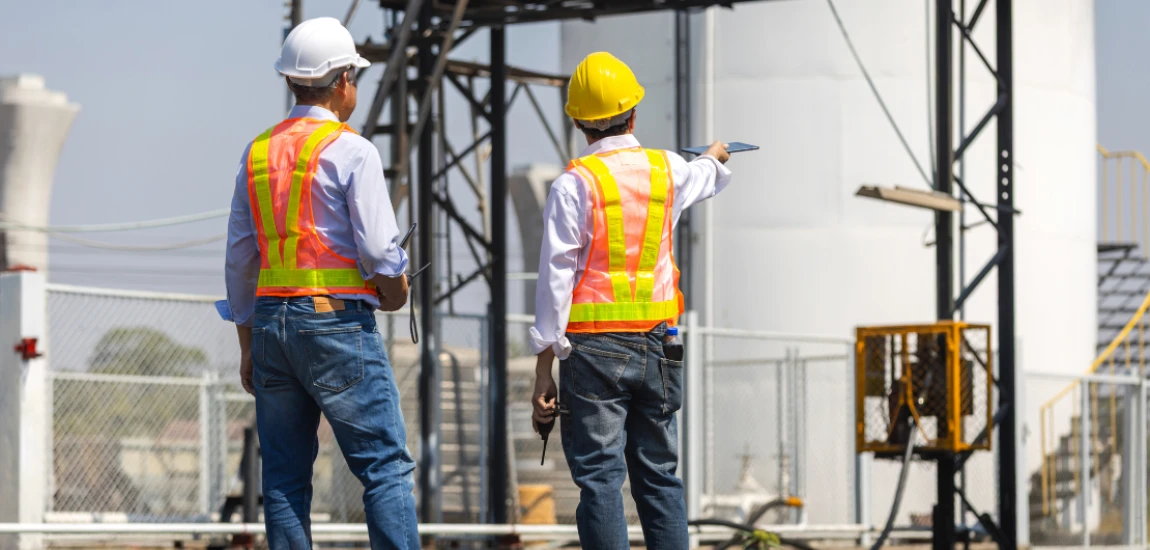
Tourism infrastructure provides the foundation for every destination. Roads, airports, hotels, visitor centers, attractions, public spaces, transportation systems, water networks, energy facilities, and digital services all influence how visitors experience a destination. However, tourism needs are changing faster than traditional infrastructure systems can often adapt.
Climate change is creating new risks such as extreme heat, flooding, storms, water shortages, and rising temperatures. Visitor expectations are also evolving as travelers increasingly seek accessible, sustainable, technology-enabled, comfortable, and personalized experiences. At the same time, destinations must manage changing visitor volumes, demographic shifts, resource constraints, and the needs of local communities.
This is why Adaptive Tourism Infrastructure is becoming increasingly important.
Adaptive tourism infrastructure refers to facilities and systems that can change, expand, contract, or operate differently as conditions evolve. Instead of designing infrastructure only for today's requirements, destination planners consider how facilities can respond to future environmental, technological, social, and tourism changes.
For example, a tourism facility might be designed with modular spaces that can be expanded during peak seasons and repurposed during quieter periods. A visitor center could use flexible digital systems that can accommodate changing visitor services. Hotels can incorporate energy-efficient technologies, adaptable room layouts, and climate-resilient building materials.
The goal is not simply to construct stronger infrastructure. It is to create flexible tourism infrastructure that can continue serving visitors and communities under changing conditions.
Adaptive infrastructure can help destinations reduce long-term costs, improve resilience, increase accessibility, manage visitor demand, and protect natural resources. It also supports a more sustainable approach to tourism development by reducing the need to constantly demolish, replace, or rebuild facilities.
Understanding Adaptive Tourism Infrastructure

Adaptive Tourism Infrastructure represents a shift from fixed infrastructure planning toward flexible and future-oriented destination development. Traditional infrastructure is often designed around historical demand patterns. Adaptive infrastructure considers uncertainty and prepares facilities for multiple possible futures.
Designing for Changing Tourism Demand
Tourism demand is rarely constant. Destinations can experience seasonal peaks, unexpected surges, changing travel preferences, and periods of low demand.
Infrastructure designed only for maximum visitor numbers may remain underused for much of the year. On the other hand, infrastructure designed around average demand may become overwhelmed during peak periods.
Adaptive infrastructure addresses this challenge through flexible capacity.
Facilities can include modular buildings, movable structures, expandable transportation services, flexible public spaces, and technology-enabled reservation systems.
For example, a visitor facility could use temporary modular spaces during major events and reduce its operational footprint during quieter periods.
This approach helps destinations avoid unnecessary permanent construction while still maintaining adequate capacity.
Preparing for Multiple Future Scenarios
Infrastructure planning increasingly needs to consider uncertainty.
Future tourism may be influenced by climate change, technological development, demographic changes, economic conditions, transportation innovations, and changing traveler preferences.
Adaptive infrastructure uses scenario planning to consider different possibilities.
A destination may ask:
What if visitor numbers double?
What if extreme heat becomes more common?
What if water availability decreases?
What if travelers increasingly demand contactless services?
What if transportation patterns change?
What if certain tourism attractions become inaccessible?
Considering these questions during infrastructure planning creates systems that are better prepared for uncertainty.
Supporting Long-Term Destination Resilience
Adaptive infrastructure contributes directly to tourism resilience.
Infrastructure that can continue functioning during disruptions helps destinations recover more quickly from climate events, economic shocks, transportation interruptions, and other challenges.
Resilient infrastructure can include backup energy systems, flood-resistant facilities, flexible transportation networks, emergency communication systems, water-saving technologies, and adaptable accommodation facilities.
The objective is to ensure that infrastructure remains useful even when conditions change significantly.
Building Climate-Resilient Tourism Facilities

Climate change is one of the strongest reasons destinations need adaptive infrastructure. Tourism facilities are increasingly exposed to heatwaves, flooding, storms, wildfires, droughts, coastal erosion, and other environmental pressures.
Designing for Extreme Weather
Tourism infrastructure should be designed according to current and projected climate risks.
Hotels, resorts, attractions, transportation facilities, and visitor centers may need stronger drainage systems, flood-resistant materials, heat-resistant designs, improved ventilation, and emergency preparedness systems.
In coastal destinations, infrastructure planning may need to consider sea-level rise and coastal erosion.
In areas experiencing extreme heat, shaded public spaces, cooling systems, reflective surfaces, natural ventilation, and heat-resistant materials can improve visitor comfort.
Climate-responsive design allows tourism infrastructure to remain functional under difficult conditions.
Improving Water and Energy Resilience
Water and energy are essential for tourism operations, but both resources can become increasingly vulnerable as climate pressures increase.
Adaptive tourism facilities can incorporate rainwater collection, wastewater recycling, low-flow fixtures, smart irrigation, renewable energy, energy-efficient lighting, and battery storage.
Hotels and resorts can use smart building management systems to adjust heating, cooling, and lighting according to occupancy and weather conditions.
These technologies reduce resource consumption while improving operational resilience.
Protecting Natural Tourism Assets
Many tourism facilities depend on natural environments such as beaches, forests, mountains, wetlands, and protected areas.
Infrastructure development should therefore avoid increasing environmental vulnerability.
Nature-based solutions can help.
Wetlands can provide flood protection, trees can reduce heat, green roofs can improve building performance, and permeable surfaces can reduce stormwater runoff.
Combining engineered infrastructure with natural systems creates more resilient tourism destinations.
Creating Flexible and Smart Tourism Facilities

Technology is changing how visitors interact with tourism infrastructure. Adaptive facilities need to incorporate digital systems that can evolve as technology and traveler expectations change.
Using Smart Building Technologies
Smart buildings can automatically respond to changing conditions.
Sensors can monitor occupancy, temperature, energy use, air quality, and equipment performance. Automated systems can adjust lighting, ventilation, heating, and cooling based on real-time conditions.
This can improve visitor comfort while reducing operational costs.
Hotels, airports, museums, attractions, and visitor centers can use smart technologies to make infrastructure more efficient.
For example, lighting systems can automatically reduce energy use in areas that are not occupied.
Designing Digital-Ready Infrastructure
Tourism facilities increasingly require strong digital connectivity.
Visitors may depend on mobile applications, digital maps, online reservations, contactless payments, digital tickets, translation tools, and real-time travel information.
Infrastructure should therefore provide reliable connectivity and flexible digital systems.
However, digital infrastructure should also be designed for future upgrades.
Technology changes quickly, so systems should allow new software, sensors, devices, and communication technologies to be added without completely replacing the existing infrastructure.
Using Data to Improve Facility Management
Data can help destination managers understand how infrastructure is being used.
Visitor movement data, energy consumption, occupancy patterns, transportation demand, and maintenance information can reveal where improvements are required.
Predictive maintenance can identify potential equipment failures before they disrupt visitors.
Data-driven infrastructure management can therefore reduce downtime, improve efficiency, and extend the useful life of tourism facilities.


Gary Arndt operates "Everything Everywhere," a blog focusing on worldwide travel. An award-winning photographer, Gary shares stunning visuals alongside his travel tales.
Gary Arndt

Prev Post

Next Post