
Accessible Travel Ecosystems – Designing Tourism Services for Diverse Visitor Needs
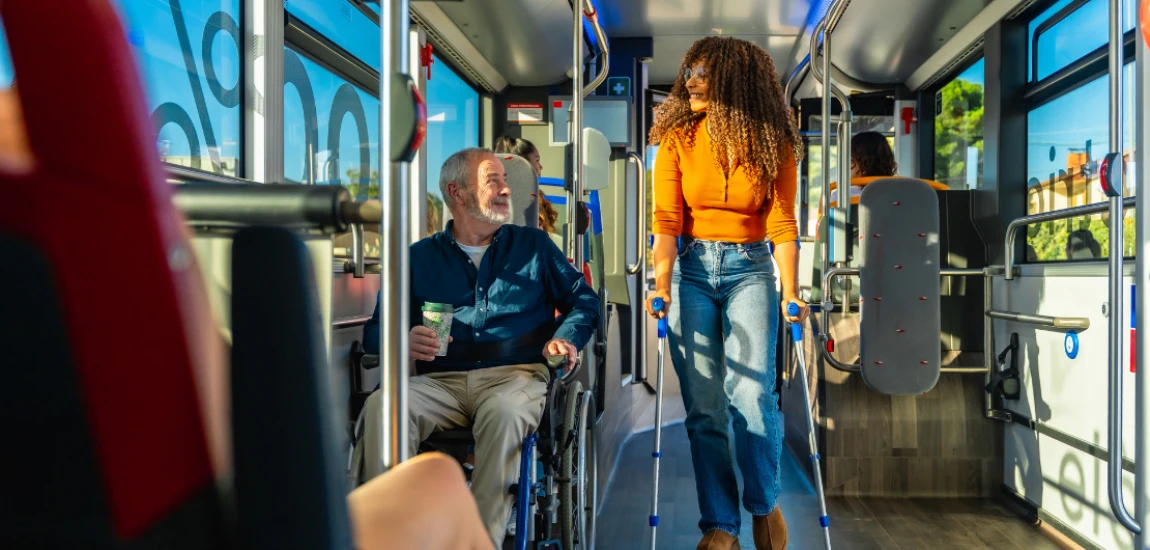
Travel should be an opportunity for people to explore new places, experience different cultures, connect with communities, and create meaningful memories. However, not every traveler experiences a destination in the same way. Visitors may have different physical, sensory, cognitive, communication, mobility, age-related, or temporary needs that influence how they plan and experience a trip.
An accessible hotel alone cannot create an accessible destination if transportation is difficult to use. Similarly, an accessible attraction may still be challenging if visitors cannot find accurate accessibility information before arriving. This is why tourism accessibility increasingly needs to be viewed as a connected system rather than a collection of individual facilities.
Accessible Travel Ecosystems focus on connecting tourism services and infrastructure so that diverse visitors can move through the entire travel journey with fewer barriers. This includes travel planning, booking, transportation, accommodation, attractions, restaurants, public spaces, communication, customer service, and emergency support.
An accessible travel ecosystem benefits more than visitors with permanent disabilities. Parents traveling with young children, older travelers, people recovering from injuries, travelers carrying luggage, and visitors who may experience temporary mobility or sensory challenges can also benefit from inclusive design.
The objective is to create tourism environments that are easier to understand, navigate, access, and enjoy.
By applying universal design principles, improving accessibility information, training tourism employees, upgrading infrastructure, and connecting different tourism providers, destinations can create more inclusive experiences while expanding their potential visitor markets.
Understanding Accessible Travel Ecosystems

What an Accessible Travel Ecosystem Means
An Accessible Travel Ecosystem is a connected network of tourism services, facilities, infrastructure, technology, and people designed to reduce barriers for visitors with diverse needs.
Instead of focusing only on wheelchair ramps or accessible hotel rooms, this approach considers the entire visitor journey.
A traveler may need accessible information when researching a destination, suitable transportation when arriving, an accessible hotel, barrier-free attractions, appropriate restaurant facilities, and reliable assistance throughout the trip.
If one part of the journey creates a major barrier, the overall travel experience can become difficult.
Why Accessibility Requires a Connected Approach
Tourism destinations operate through interconnected services. Airports connect to transportation. Transportation connects to hotels. Hotels connect visitors with attractions and restaurants.
If accessibility is inconsistent across these services, travelers may experience unnecessary difficulties.
An ecosystem approach encourages tourism providers to work together. Hotels can share accessibility information with transportation providers, attractions can provide accessible route details, and destination websites can organize reliable accessibility information in one place.
Benefits for Diverse Visitors
Accessible design can improve experiences for many different travelers.
People with mobility limitations may benefit from step-free routes and accessible transportation. Visitors with visual or hearing differences may benefit from audio descriptions, captions, clear signs, and accessible digital information.
Families with strollers, older travelers, and people carrying luggage can also benefit from elevators, smooth pathways, seating areas, and clear navigation.
Accessibility is therefore not only a specialized tourism service. It can contribute to better visitor experiences for a much broader audience.
Designing Accessible Transportation and Mobility

Creating Barrier-Free Transportation
Transportation is one of the most important parts of an accessible travel ecosystem.
Visitors may use airplanes, trains, buses, taxis, ride-sharing services, ferries, rental vehicles, bicycles, or walking routes during a trip. Accessibility needs can vary across each mode.
Accessible vehicles, step-free boarding, appropriate seating, clear announcements, tactile information, and trained staff can make transportation easier to use.
Destinations should also consider the connection between different transportation modes.
Improving Accessible Routes
A destination can have accessible buildings but remain difficult to navigate if sidewalks, crossings, streets, and public spaces contain barriers.
Accessible travel planning should consider the complete route between important visitor locations.
Smooth pathways, curb ramps, accessible crossings, appropriate lighting, resting points, and clear wayfinding can improve independent mobility.
Digital maps can also identify accessible routes and provide information about elevators, accessible entrances, rest areas, and transportation stops.
Providing Reliable Accessibility Information
Travelers need accurate information before making transportation decisions.
Websites and booking platforms should clearly explain accessibility features rather than using vague descriptions such as “accessible” without details.
Useful information may include vehicle dimensions, boarding procedures, step-free access, seating arrangements, assistance availability, and route conditions.
Reliable information allows travelers to make informed decisions and reduces uncertainty.
Creating Inclusive Accommodation and Hospitality Services

Designing Accessible Hotel Facilities
Hotels and other accommodation providers are central to the visitor experience.
Accessible accommodation can include step-free entrances, appropriately designed rooms, accessible bathrooms, suitable bed heights, visual and audible alerts, accessible elevators, and clear emergency procedures.
However, accessibility requirements can vary significantly between travelers.
Hotels should therefore provide detailed information about their facilities instead of assuming that one accessibility feature meets everyone's needs.
Training Hospitality Staff
Physical accessibility is only part of inclusive hospitality.
Staff interactions can significantly influence how comfortable and respected a visitor feels.
Employees can receive training on disability awareness, respectful communication, accessibility features, service procedures, and appropriate assistance.
Staff should avoid making assumptions about what a visitor needs. Asking respectfully and allowing travelers to explain their preferences can create better experiences.
Making Booking Easier
Accessibility information should be available during the booking process.
Travelers should not have to contact multiple departments simply to determine whether a hotel can meet their requirements.
Online booking systems can provide clear accessibility categories and detailed facility descriptions.
Photos, measurements, floor plans, and explanations of accessible features can make information more useful.
An accessible booking process reduces uncertainty and helps visitors plan confidently.


Kate McCulley, the voice behind "Adventurous Kate," provides travel advice tailored for women. Her blog encourages safe and adventurous travel for female readers.
Kate McCulley

Prev Post

Next Post