
Underwater Smart City Architectures and Sustainable Ocean Habitat Engineering Systems
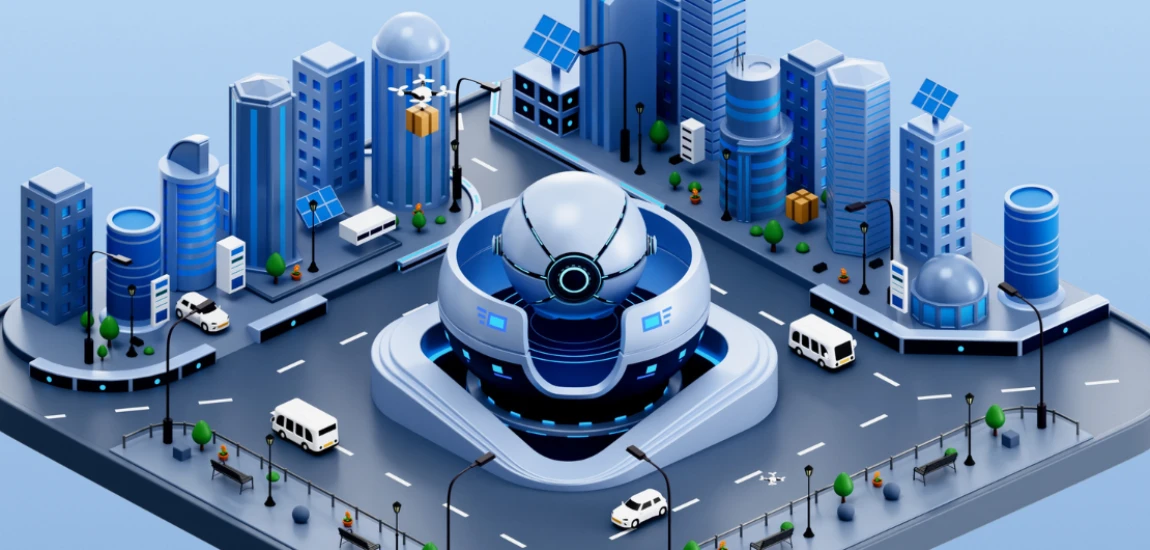
As land-based urban populations continue to grow, scientists and engineers are exploring new frontiers for human habitation. One of the most ambitious ideas emerging today is the development of underwater smart city architectures and sustainable ocean habitat engineering systems. These futuristic concepts aim to create livable, self-sustaining environments beneath the ocean surface using advanced technology, renewable energy systems, and intelligent infrastructure.
Oceans cover more than 70% of the Earth’s surface, yet they remain largely uninhabited by humans. With rising sea levels, urban overcrowding, and climate change impacting coastal regions, underwater cities offer a potential solution for expanding human settlement while preserving land ecosystems.
These systems combine marine engineering, artificial intelligence, robotics, renewable energy, and environmental science to design habitats that can function independently underwater. This article explores how underwater smart cities work, their core technologies, applications, benefits, challenges, and future possibilities.
Understanding Underwater Smart City Architectures

What Are Underwater Smart Cities?
Underwater smart cities are advanced human settlements designed to exist beneath the ocean surface. These cities are built using pressure-resistant structures, modular habitats, and intelligent environmental control systems that allow humans to live safely underwater.
Unlike traditional coastal infrastructure, underwater cities are fully integrated ecosystems that manage air supply, water pressure, energy, waste, and communication systems in real time. They are designed to be self-sustaining, using renewable ocean energy sources and closed-loop life support systems.
These cities rely heavily on automation and AI to maintain environmental stability and ensure human safety in extreme underwater conditions.
Core Components of Ocean Habitat Systems
Underwater city architectures consist of several critical components. Structural engineering systems include pressure-resistant domes, reinforced tunnels, and modular living units designed to withstand deep-sea conditions.
Life support systems manage oxygen supply, carbon dioxide removal, humidity control, and temperature regulation. These systems ensure that humans can live comfortably underwater for extended periods.
AI-powered environmental control systems continuously monitor water pressure, structural integrity, and marine conditions to maintain safety and stability.
Communication systems use underwater cables, acoustic networks, and satellite connections to maintain connectivity with the surface world.
Why Underwater Cities Are Being Explored
The increasing challenges of urbanization, climate change, and rising sea levels have pushed researchers to explore alternative living environments. Underwater cities provide a potential solution for expanding habitable space without further damaging terrestrial ecosystems.
They also offer strategic advantages for scientific research, marine exploration, and resource management. By living closer to ocean ecosystems, scientists can better understand marine biodiversity and climate patterns.
Sustainable Ocean Habitat Engineering Systems

Eco-Friendly Underwater Construction Methods
Sustainable underwater habitats are designed to minimize environmental impact while maximizing efficiency. Construction materials are carefully selected to resist corrosion, pressure, and marine biological growth.
Biodegradable and marine-safe materials are being developed to ensure that underwater structures do not harm ocean ecosystems. Modular construction techniques allow habitats to be expanded or modified without disrupting surrounding marine life.
Engineers also focus on integrating structures with natural underwater landscapes to reduce ecological disturbance.
Energy Generation in Underwater Cities
Energy is a critical component of underwater habitats. These cities rely on renewable ocean-based energy sources such as tidal power, wave energy, and thermal gradient energy.
Advanced energy storage systems ensure a continuous power supply even during periods of low energy generation. AI systems optimize energy usage across different city modules to maximize efficiency.
In some designs, underwater cities also use hydrogen fuel cells and nuclear micro-reactors for stable long-term energy supply.
Water, Air, and Waste Management Systems
Sustainable underwater habitats require advanced life support systems. Water recycling systems purify seawater for drinking and daily use.
Air regeneration systems use algae-based oxygen production and chemical filtration to maintain breathable air. Waste management systems recycle organic and inorganic materials to minimize environmental impact.
These closed-loop systems ensure that underwater cities operate efficiently with minimal external resource dependency.
Smart Technologies in Underwater Cities

AI-Powered Environmental Monitoring
Artificial intelligence plays a central role in managing underwater cities. AI systems continuously monitor ocean conditions, structural stability, and environmental factors such as temperature, salinity, and pressure.
These systems can detect potential risks such as structural stress, water leakage, or equipment failure and respond automatically to prevent accidents.
Machine learning models improve over time by analyzing environmental data patterns, making systems more reliable and adaptive.
Robotics and Autonomous Maintenance Systems
Robots are essential for underwater city maintenance. Autonomous underwater vehicles (AUVs) perform inspections, repairs, and construction tasks in deep-sea environments where human access is limited.
These robots can clean structures, repair damaged components, and monitor marine ecosystems surrounding the city.
Drones and robotic arms are also used for construction and material handling during underwater development projects.
Communication and Digital Infrastructure
Underwater cities rely on advanced communication systems to stay connected with the surface world. Acoustic communication networks transmit data through water, while fiber optic cables provide high-speed connectivity.
Satellite systems link underwater habitats with global communication networks, enabling real-time data exchange and coordination.
Digital twin technology is also used to simulate entire underwater cities for planning, monitoring, and optimization purposes.


Known as "Nomadic Matt," Matthew Kepnes offers practical travel advice with a focus on budget backpacking. His blog aims to help people travel cheaper and longer.
Matthew Kepnes

Prev Post
Next Post