
Wireless Power Transmission Networks and Long-Distance Intelligent Energy Distribution Technologies
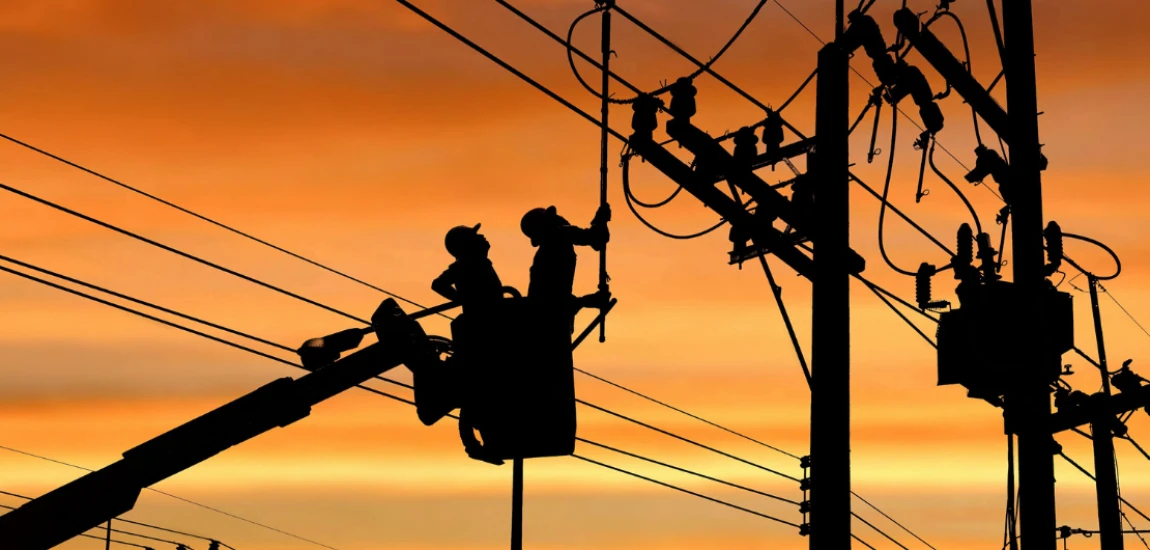
The global energy landscape is undergoing a radical transformation. As demand for electricity continues to grow across industries, cities, and emerging technologies, traditional wired energy distribution systems are reaching their limitations. Power grids rely heavily on physical infrastructure such as cables, substations, and transformers, which can be costly, inefficient, and vulnerable to damage.
Wireless power transmission networks and long-distance intelligent energy distribution technologies are emerging as revolutionary solutions to these challenges. These systems aim to transmit energy without physical wires, using electromagnetic waves, microwaves, lasers, and advanced smart grid technologies.
By combining artificial intelligence, satellite systems, and advanced energy engineering, these technologies promise to create a future where electricity can be delivered seamlessly across cities, countries, and even space. This article explores how these systems work, their core technologies, applications, benefits, challenges, and future potential in global energy infrastructure.
Understanding Wireless Power Transmission Networks

What Is Wireless Power Transmission?
Wireless power transmission refers to the transfer of electrical energy from a power source to a load without the use of physical conductors. Instead of traditional wires, energy is transmitted through electromagnetic fields, microwaves, radio waves, or laser beams.
This concept is not entirely new, but recent advancements in materials science, energy engineering, and artificial intelligence have made it more practical and efficient. Modern wireless energy systems can transmit power over short, medium, and even long distances with increasing accuracy and stability.
These systems are designed to eliminate dependency on physical electrical infrastructure, reducing maintenance costs and improving accessibility in remote or difficult-to-reach areas.
Core Methods of Wireless Energy Transfer
Wireless power transmission systems use several methods to transfer energy efficiently. Inductive coupling is commonly used for short-range applications such as wireless charging pads for smartphones and electric vehicles.
Resonant inductive coupling extends the range slightly, allowing devices to charge at a distance of several meters.
For long-distance energy transfer, microwave power transmission and laser-based energy beaming are being developed. These systems convert electrical energy into electromagnetic waves, transmit it through space, and then reconvert it into usable electricity at the receiver.
Each method has its own efficiency levels, safety considerations, and application areas.
Why Wireless Energy Systems Are Important
Traditional energy distribution systems rely on extensive physical infrastructure, which can be expensive to build and maintain. Power lines are also vulnerable to weather conditions, natural disasters, and technical failures.
Wireless power transmission offers a more flexible and scalable alternative. It can deliver energy to remote areas, disaster zones, and even space-based systems where traditional infrastructure is not feasible.
As global energy demand increases, wireless systems are becoming an important part of future energy strategies.
Long-Distance Intelligent Energy Distribution Technologies

How Intelligent Energy Distribution Works
Intelligent energy distribution systems use artificial intelligence and data analytics to optimize the flow of electricity across networks. These systems continuously monitor energy demand, supply, and grid performance in real time.
AI algorithms analyze this data to predict consumption patterns and automatically adjust energy distribution for maximum efficiency. This ensures that electricity is delivered where it is needed most, reducing waste and improving reliability.
Smart grids are the foundation of intelligent energy distribution, integrating renewable energy sources, storage systems, and automated control mechanisms.
Role of AI in Energy Optimization
Artificial intelligence plays a central role in managing complex energy networks. AI systems can predict peak demand periods, detect faults in the system, and reroute power to prevent outages.
Machine learning models improve over time by analyzing historical energy usage data. This allows energy providers to make more accurate predictions and optimize grid performance.
AI also helps integrate renewable energy sources such as solar and wind by balancing fluctuations in energy production.
Smart Grids and Digital Energy Infrastructure
Smart grids are modern energy networks that use digital communication technology to monitor and manage electricity flow. These grids connect power plants, renewable energy sources, storage systems, and consumers in a unified network.
Sensors and IoT devices collect real-time data on voltage, current, and energy consumption. This data is then processed by AI systems to ensure stable and efficient energy distribution.
Smart grids are essential for enabling wireless and intelligent energy systems at scale.
Applications of Wireless Energy Systems

Consumer Electronics and Smart Devices
Wireless charging technology is already widely used in smartphones, wearables, and smart home devices. This technology eliminates the need for cables and improves convenience for users.
Future systems may allow devices to charge automatically within a room using ambient energy fields.
Electric Vehicles and Transportation Systems
Wireless energy systems are being developed for electric vehicles, allowing cars, buses, and trains to charge without plugging in.
Road-embedded charging systems and dynamic wireless charging lanes could enable continuous energy supply while vehicles are in motion.
This could significantly improve the efficiency and adoption of electric transportation.
Remote and Space Applications
Wireless power transmission is particularly useful in remote areas where building traditional infrastructure is difficult or expensive.
It is also being explored for space applications, such as powering satellites, lunar bases, and space stations using solar energy transmitted wirelessly from orbit.
Benefits and Challenges of Wireless Energy Technologies

Efficiency and Infrastructure Reduction
One of the major benefits of wireless energy systems is the reduction of physical infrastructure. Eliminating wires reduces installation and maintenance costs while improving system flexibility.
These systems also allow energy to be distributed more dynamically based on demand.
Environmental and Accessibility Advantages
Wireless energy systems can improve access to electricity in remote or underserved regions. They also support renewable energy integration by enabling more flexible distribution networks.
This contributes to reduced environmental impact and improved energy equity.
Technical and Safety Challenges
Despite their potential, wireless power systems face several challenges. Energy loss during transmission remains a major issue, especially over long distances.
Safety concerns related to electromagnetic exposure and system interference must also be carefully managed.
High implementation costs and technological limitations currently restrict large-scale adoption.


Kate McCulley, the voice behind "Adventurous Kate," provides travel advice tailored for women. Her blog encourages safe and adventurous travel for female readers.
Kate McCulley

Prev Post
Next Post