
AI-Orchestrated Global Disaster Prediction Networks and Autonomous Emergency Response Technologies
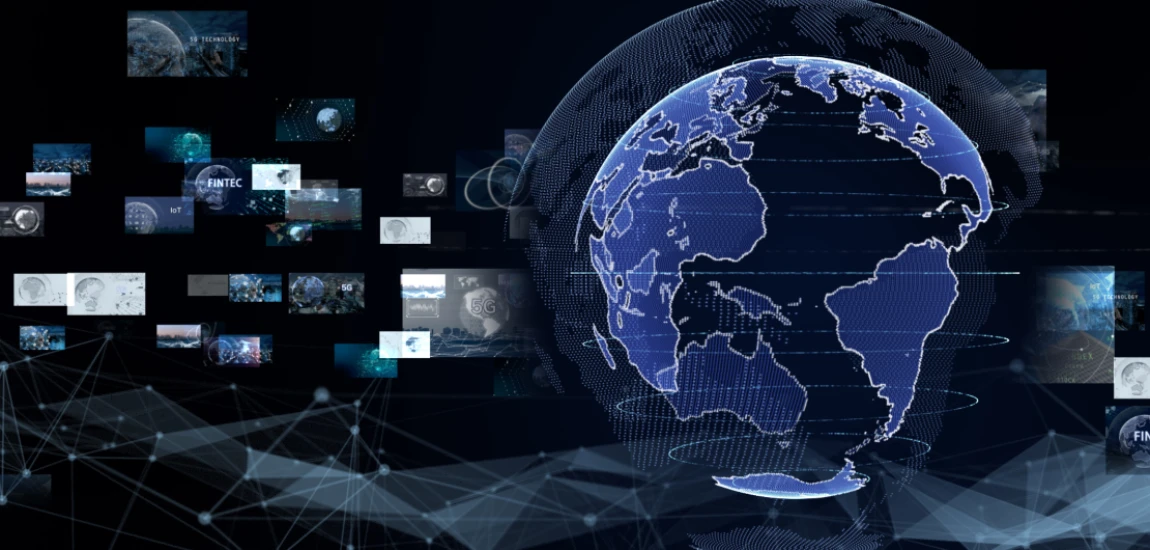
Natural disasters and large-scale emergencies continue to challenge governments, humanitarian organizations, and communities across the world. Earthquakes, hurricanes, floods, wildfires, volcanic eruptions, droughts, and pandemics cause enormous human, economic, and environmental losses every year. Traditional disaster management systems often depend on fragmented data sources, manual analysis, and delayed response mechanisms, limiting their effectiveness during rapidly evolving crises.
AI-orchestrated global disaster prediction networks and autonomous emergency response technologies are transforming disaster management by combining artificial intelligence, machine learning, satellite imaging, Internet of Things (IoT) sensors, robotics, drones, cloud computing, and advanced communication systems into highly integrated global platforms. These intelligent systems continuously collect environmental data, analyze risks in real time, predict potential disasters before they occur, and coordinate emergency responses with minimal delay.
As climate change increases the frequency and intensity of natural disasters, governments and research organizations are investing heavily in predictive analytics and autonomous emergency technologies. These innovations promise faster decision-making, more accurate forecasting, safer rescue operations, and improved disaster resilience. This article explores how these advanced systems operate, their core technologies, applications, benefits, challenges, and future impact on global emergency management.
Understanding AI-Orchestrated Global Disaster Prediction Networks

What Are AI-Orchestrated Disaster Prediction Networks?
AI-orchestrated disaster prediction networks are intelligent systems that combine artificial intelligence with global environmental monitoring infrastructure to detect, analyze, and forecast disasters before they occur. Unlike conventional forecasting systems that often focus on individual hazards, these integrated networks monitor multiple environmental factors simultaneously.
These platforms gather information from satellites, weather stations, seismic monitoring equipment, ocean buoys, drones, environmental sensors, and historical climate databases. Artificial intelligence processes enormous amounts of incoming data to identify hidden patterns, estimate risk levels, and generate early warnings.
Instead of reacting after disasters occur, these networks enable proactive planning by providing governments and emergency agencies with valuable time to prepare evacuation plans, mobilize rescue teams, and protect critical infrastructure.
Core Technologies Behind Disaster Prediction
Several advanced technologies work together within these intelligent prediction systems. Artificial intelligence analyzes environmental variables such as atmospheric pressure, temperature, rainfall, seismic activity, ocean currents, and wind patterns.
Machine learning algorithms continuously improve prediction accuracy by learning from historical disasters and real-time environmental observations. Cloud computing provides scalable processing power capable of handling vast datasets collected from around the world.
Geographic Information Systems (GIS) visualize disaster risks through interactive digital maps, while satellite remote sensing delivers continuous global observations even in remote regions where ground monitoring is limited.
Why Predictive Networks Are Becoming Essential
Climate change, urbanization, and expanding populations have increased disaster vulnerability worldwide. Traditional emergency management often struggles to process rapidly changing environmental information quickly enough for effective decision-making.
AI-powered prediction networks improve preparedness by delivering earlier and more accurate forecasts. This allows governments, emergency responders, businesses, and communities to reduce casualties, minimize economic losses, and strengthen long-term resilience against future disasters.
Artificial Intelligence in Disaster Forecasting

Predictive Analytics for Natural Hazards
Artificial intelligence excels at identifying subtle patterns that human analysts may overlook. By processing decades of historical environmental data alongside real-time observations, AI predicts the probability, location, and potential severity of disasters.
For example, machine learning models analyze rainfall trends, river levels, soil moisture, and weather forecasts to estimate flood risks days before flooding begins. Similar approaches improve hurricane tracking, wildfire prediction, drought monitoring, and earthquake risk assessment.
These predictive capabilities provide emergency agencies with valuable lead time for planning effective responses.
Satellite Imaging and Remote Monitoring
Modern satellites continuously observe Earth's atmosphere, oceans, forests, glaciers, and urban environments. AI automatically analyzes satellite imagery to detect environmental changes associated with developing disasters.
Image recognition algorithms identify wildfire hotspots, volcanic ash clouds, flood expansion, coastal erosion, and storm development in near real time.
This global perspective allows continuous monitoring of regions that are otherwise inaccessible or difficult to observe directly.
Environmental Sensor Networks
Internet of Things (IoT) sensor networks provide detailed local environmental measurements. Sensors monitor river levels, seismic vibrations, air quality, temperature, structural health, and weather conditions.
AI integrates this sensor data with satellite observations to create highly detailed environmental models capable of generating localized disaster predictions with greater accuracy.
Autonomous Emergency Response Technologies

Disaster Response Robotics
Autonomous robots are increasingly used during disaster response to perform dangerous tasks that would place human rescuers at risk.
Ground robots navigate collapsed buildings, search for survivors, transport medical supplies, and inspect damaged infrastructure. Their sensors detect heat signatures, hazardous gases, and structural instability.
Robotic systems improve rescue efficiency while reducing risks faced by emergency personnel.
Drone-Based Emergency Operations
Unmanned aerial vehicles (UAVs), commonly known as drones, have become essential disaster response tools.
Drones rapidly survey affected areas, capture high-resolution imagery, deliver emergency medical supplies, establish temporary communication networks, and assist search-and-rescue operations.
AI enables autonomous flight planning, obstacle avoidance, and victim detection through advanced computer vision systems.
Intelligent Emergency Communication Systems
Effective communication is critical during disasters. AI-powered communication platforms automatically prioritize emergency messages, coordinate response teams, and distribute real-time information to affected populations.
Natural language processing enables multilingual emergency alerts, while intelligent routing systems maintain communications even when traditional infrastructure is damaged.
Applications Across Disaster Management

Earthquake and Tsunami Preparedness
AI continuously monitors seismic activity using global sensor networks. Although precise earthquake prediction remains scientifically challenging, AI improves rapid detection and impact assessment immediately after seismic events.
For tsunami-prone regions, intelligent systems analyze undersea earthquake data and ocean sensor readings to issue timely coastal evacuation warnings.
Wildfire and Climate Risk Management
Artificial intelligence analyzes weather conditions, vegetation moisture, topography, and satellite imagery to identify wildfire risks before ignition.
Autonomous drones monitor fire spread while AI recommends optimal firefighting strategies and evacuation routes.
Urban Emergency Planning
Smart cities increasingly integrate AI disaster management systems into urban infrastructure.
Traffic management platforms optimize evacuation routes, smart buildings monitor structural integrity, and emergency control centers coordinate public safety resources using real-time information from connected city infrastructure.


Shivya Nath authors "The Shooting Star," a blog that covers responsible and off-the-beaten-path travel. She writes about sustainable tourism and community-based experiences.
Shivya Nath
Prev Post
Next Post