
The Rise of Smart Home Technology: Devices That Automate and Simplify Home Management
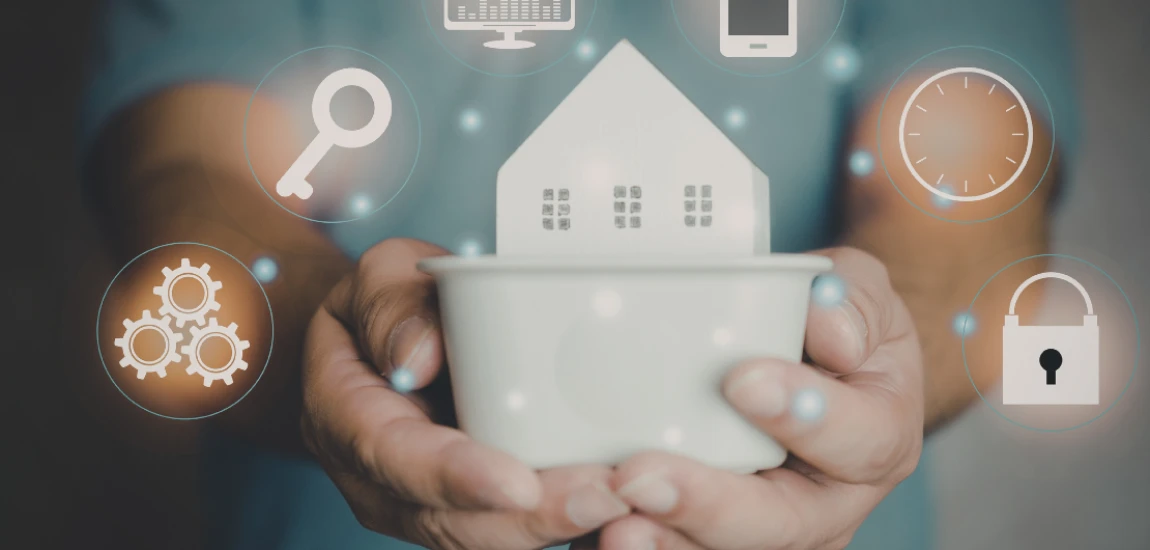
Technology continues to reshape modern lifestyles, and one of the most noticeable developments in recent years is the rapid growth of smart home technology. Homes are no longer limited to traditional appliances and manual systems. Today, smart devices allow homeowners to control lighting, temperature, security, entertainment, and appliances through smartphones, voice commands, or automated systems.
Smart home technology refers to a network of connected devices that communicate with each other and with users through the internet. These devices use sensors, artificial intelligence, and automation to simplify everyday tasks and improve home efficiency. As technology becomes more accessible and affordable, smart homes are becoming increasingly common across the world.
The appeal of smart home technology lies in its ability to save time, enhance security, and reduce energy consumption. For example, smart thermostats automatically adjust temperature settings based on household routines, while smart security systems provide real-time monitoring through mobile apps.
In addition to convenience, smart homes offer improved comfort and personalization. Homeowners can create customized routines that automate multiple devices simultaneously, such as adjusting lighting, playing music, and locking doors when leaving the house.
As digital technology continues to advance, smart homes are evolving from simple connected devices to intelligent living environments. Understanding how these technologies work and how they benefit homeowners can help individuals make informed decisions about integrating smart systems into their homes.
Understanding Smart Home Technology and How It Works

Smart home technology refers to a system of interconnected devices designed to automate and manage various household functions. These devices communicate through wireless networks and can be controlled remotely using smartphones, tablets, or voice assistants.
The Concept of Connected Home Devices
At the core of smart home technology is connectivity. Devices such as smart lights, thermostats, security cameras, and appliances are connected to a central network, often through Wi-Fi or specialized smart home hubs.
This connectivity allows devices to exchange information and respond to commands in real time. For example, a smart thermostat can communicate with motion sensors to detect whether someone is home and adjust the temperature accordingly.
These connected systems enable homeowners to monitor and manage household functions even when they are away from home.
Automation and Intelligent Home Systems
Automation is one of the most valuable features of smart home technology. Automated systems allow devices to perform tasks without manual input once they are properly configured.
For instance, lights can automatically turn on at sunset, doors can lock at bedtime, and thermostats can adjust temperatures when residents leave the house.
Some smart home systems also use artificial intelligence to learn user behavior patterns and optimize device performance over time.
This intelligent automation simplifies daily routines and increases overall home efficiency.
Integration with Mobile and Voice Technology
Many smart home devices integrate with mobile applications and voice assistants. Users can control devices through apps or voice commands, making home management more convenient.
For example, homeowners can turn off lights, check security cameras, or adjust climate settings using simple voice instructions.
This seamless integration between devices and digital platforms is a key reason why smart home technology continues to grow in popularity.
Smart Lighting and Energy Efficiency

Lighting is one of the most commonly adopted smart home technologies. Smart lighting systems offer convenience, energy savings, and customizable home environments.
Remote Control and Scheduling
Smart lighting systems allow homeowners to control lights remotely using mobile apps or voice assistants. This feature is especially useful when homeowners forget to turn off lights before leaving the house.
Scheduling functions allow lights to automatically turn on or off at specific times. For example, lights can activate in the evening to simulate occupancy while residents are away.
This capability enhances both convenience and home security.
Energy-Saving Benefits
Smart lighting contributes significantly to energy efficiency. Many systems use LED technology combined with motion sensors to ensure lights are only active when needed.
Homeowners can monitor energy usage through mobile apps and identify opportunities to reduce electricity consumption.
Lower energy usage not only reduces environmental impact but also decreases utility costs over time.
Personalized Lighting Experiences
Smart lighting allows users to customize brightness levels, colors, and lighting scenes to match different moods and activities.
For example, a relaxation mode may dim lights with warm tones, while a work mode may provide brighter illumination for productivity.
These personalization features enhance comfort and create more adaptable living environments.
Smart Climate Control and Home Comfort

Climate control is another area where smart home technology offers significant advantages.
Intelligent Thermostats
Smart thermostats monitor temperature preferences and adjust heating or cooling automatically. These devices learn household routines and optimize temperature settings throughout the day.
For example, a thermostat may lower heating during work hours when no one is home and raise it again before residents return.
This automation ensures comfort while minimizing energy waste.
Remote Temperature Management
Smart climate systems allow homeowners to adjust temperature settings remotely. If residents are traveling or returning home earlier than expected, they can change climate settings instantly using their smartphones.
Remote management ensures homes remain comfortable without unnecessary energy consumption.
This feature is particularly useful in extreme weather conditions.
Energy Efficiency and Sustainability
Smart climate systems contribute to environmental sustainability by reducing energy consumption. Many devices provide energy reports that help homeowners track usage patterns.
These insights allow users to adjust habits and improve energy efficiency over time.
As energy costs continue to rise, smart climate technology offers practical solutions for maintaining comfort while reducing expenses.
Smart Security and Home Protection

Home security has become one of the most important applications of smart home technology. Smart security systems provide enhanced safety through real-time monitoring and intelligent alerts.
Smart Cameras and Surveillance Systems
Smart security cameras allow homeowners to monitor their property from anywhere using mobile devices. These cameras provide live video feeds and can store recordings for later review.
Some advanced systems include motion detection and facial recognition capabilities that notify homeowners when unusual activity occurs.
This level of monitoring improves home security and provides peace of mind.
Smart Locks and Access Control
Smart locks eliminate the need for traditional keys by allowing homeowners to unlock doors using smartphones, codes, or biometric systems.
Homeowners can grant temporary access to guests, family members, or service providers without sharing physical keys.
These systems also provide activity logs that record when doors are locked or unlocked.
Real-Time Alerts and Emergency Monitoring
Many smart security systems send instant alerts when sensors detect unusual events such as motion, door openings, or glass breakage.
Some systems integrate with emergency services or home alarm monitoring companies to provide rapid response during potential security threats.
These features help homeowners respond quickly to potential problems and improve overall safety.
Smart Appliances and Automated Household Tasks

Smart appliances are transforming how households manage daily chores and home maintenance.
Intelligent Kitchen Appliances
Modern kitchens increasingly feature smart refrigerators, ovens, and coffee machines. These appliances provide remote control features and personalized settings.
For example, smart refrigerators can track food inventory and notify users when items are running low.
Some ovens allow users to preheat or adjust cooking settings remotely through mobile apps.
These features simplify meal preparation and improve kitchen efficiency.
Automated Cleaning Devices
Robotic vacuum cleaners and automated floor cleaners are among the most popular smart home appliances.
These devices navigate rooms using sensors and mapping technology to clean floors without manual effort.
Users can schedule cleaning times and monitor progress through mobile applications.
Automated cleaning devices save time and maintain consistent household cleanliness.
Laundry and Household Management
Smart washing machines and dryers offer remote control and maintenance alerts.
These appliances can notify users when laundry cycles are complete or when maintenance is required.
By automating routine tasks, smart appliances reduce the time and effort required for household management.


Gary Arndt operates "Everything Everywhere," a blog focusing on worldwide travel. An award-winning photographer, Gary shares stunning visuals alongside his travel tales.
Gary Arndt
Prev Post

Next Post