
Synthetic Biology Technologies and the Future of Programmable Living Organisms
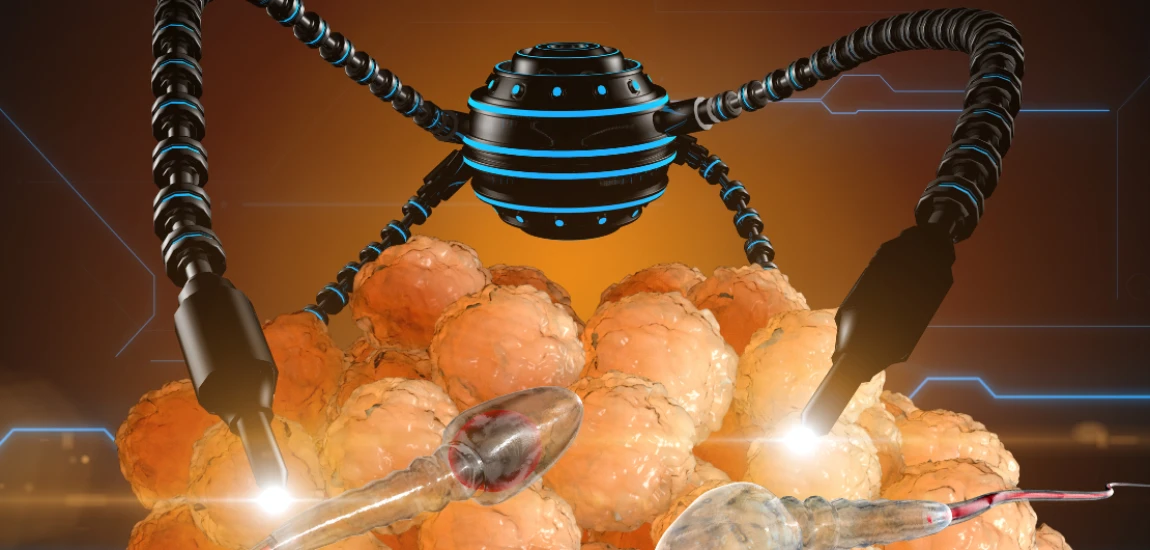
Synthetic biology is one of the fastest-growing fields of modern biotechnology, combining biology, engineering, genetics, and computer science to design and modify living organisms for specific purposes. Unlike traditional genetic engineering, which focuses on altering individual genes, synthetic biology applies engineering principles to create biological systems with predictable and programmable functions. This innovative approach is enabling scientists to develop organisms that can perform tasks such as producing medicines, detecting diseases, cleaning environmental pollutants, and manufacturing sustainable materials.
The concept of programmable living organisms has gained significant attention because of its potential to solve some of the world's most pressing challenges. By redesigning microorganisms, plants, and cells, researchers can create biological systems capable of responding to environmental changes, producing valuable compounds, or carrying out complex biological processes with remarkable precision. Advances in gene editing, DNA synthesis, and computational biology are making these technologies more accurate, efficient, and accessible than ever before.
Although synthetic biology is still evolving, it is already transforming industries including healthcare, agriculture, renewable energy, food production, and environmental conservation. As scientists continue to improve the safety, reliability, and scalability of engineered biological systems, programmable living organisms are expected to become an essential part of future biotechnology. This article explores the foundations of synthetic biology, its real-world applications, benefits, challenges, and the future of programmable life.
Understanding Synthetic Biology Technologies

What Is Synthetic Biology?
Synthetic biology is an interdisciplinary field that combines biology, engineering, computer science, and biotechnology to design, build, or modify living organisms with specific functions. Instead of simply altering individual genes, scientists create biological systems that can perform programmed tasks such as producing medicines, manufacturing chemicals, or detecting environmental changes. This engineering-based approach makes biological processes more predictable and efficient.
How Programmable Living Organisms Work
Programmable living organisms are created by modifying their genetic instructions using technologies such as gene editing, DNA synthesis, and synthetic genetic circuits. These engineered organisms can respond to specific environmental signals, produce useful substances, or perform targeted biological activities. Their behavior is carefully designed and tested to ensure they function as intended under controlled conditions.
Why Synthetic Biology Is Important
Synthetic biology offers innovative solutions to challenges in healthcare, agriculture, environmental protection, and industrial manufacturing. Engineered microorganisms can produce life-saving medicines, improve crop resilience, reduce pollution, and create sustainable alternatives to traditional manufacturing processes. As research advances, synthetic biology is expected to play a major role in addressing global issues related to health, food security, and environmental sustainability.
Synthetic biology represents a major advancement in biotechnology by enabling scientists to design biological systems with greater precision and functionality. Its combination of genetic engineering, computational modeling, and engineering principles allows researchers to develop programmable living organisms capable of performing valuable tasks that were once considered impossible. Although ethical and regulatory challenges remain, continued innovation is expanding the potential applications of synthetic biology across numerous industries. As technology continues to evolve, programmable biological systems are expected to contribute significantly to scientific discovery, sustainable development, and future healthcare solutions.
How Programmable Living Organisms Are Created

Gene Editing and DNA Engineering
Scientists use advanced tools such as gene editing and DNA synthesis to modify an organism's genetic code with high precision. By adding, removing, or redesigning specific genes, researchers can create organisms capable of performing specialized biological functions while maintaining controlled and predictable behavior.
Synthetic Genetic Circuits
Synthetic genetic circuits function like biological control systems by regulating how cells respond to different signals. These engineered circuits allow programmable organisms to detect environmental changes, produce useful compounds, or activate specific biological processes only when required.
Computational Design and Testing
Computer modeling and artificial intelligence help scientists design, simulate, and optimize biological systems before they are tested in laboratories. This approach improves accuracy, reduces development time, and increases the reliability of engineered organisms for medical, industrial, and environmental applications.
Applications of Synthetic Biology Technologies

Healthcare and Pharmaceutical Development
Synthetic biology is transforming healthcare by enabling the production of vaccines, antibiotics, gene therapies, and personalized medicines. Engineered cells can also detect diseases at an early stage and deliver targeted treatments, improving patient outcomes while reducing side effects.
Agriculture and Sustainable Food Production
Researchers are developing genetically engineered crops that are more resistant to pests, diseases, and changing climate conditions. Synthetic biology also supports sustainable food production through alternative proteins, precision fermentation, and microorganisms that improve soil health and agricultural productivity.
Environmental Protection and Industrial Biotechnology
Programmable microorganisms can help clean polluted environments, remove harmful chemicals, and capture carbon dioxide from the atmosphere. In industry, synthetic biology enables the production of biofuels, biodegradable materials, and environmentally friendly chemicals, reducing dependence on fossil fuels and traditional manufacturing processes.
Benefits and Future of Synthetic Biology

Improved Sustainability and Resource Efficiency
Synthetic biology supports sustainable development by reducing waste, conserving natural resources, and creating environmentally friendly alternatives to conventional manufacturing. Engineered organisms can produce valuable materials using renewable biological processes with lower environmental impact.
Faster Scientific Innovation
Advances in DNA sequencing, gene editing, and computational biology are accelerating research and enabling scientists to develop new biological solutions more efficiently. These technologies are expanding opportunities for innovation across medicine, agriculture, energy, and environmental science.
Future Outlook
As synthetic biology technologies continue to evolve, programmable living organisms are expected to play an increasingly important role in solving global challenges. Future developments may lead to smarter medical treatments, climate-resilient agriculture, sustainable manufacturing, and advanced environmental restoration, making synthetic biology one of the most transformative technologies of the coming decades.


Anil Polat, behind the blog "FoxNomad," combines technology and travel. A computer security engineer by profession, he focuses on the tech aspects of travel.
Anil Polat
Prev Post
Next Post