
Programmable Matter Engineering and Shape-Shifting Smart Materials
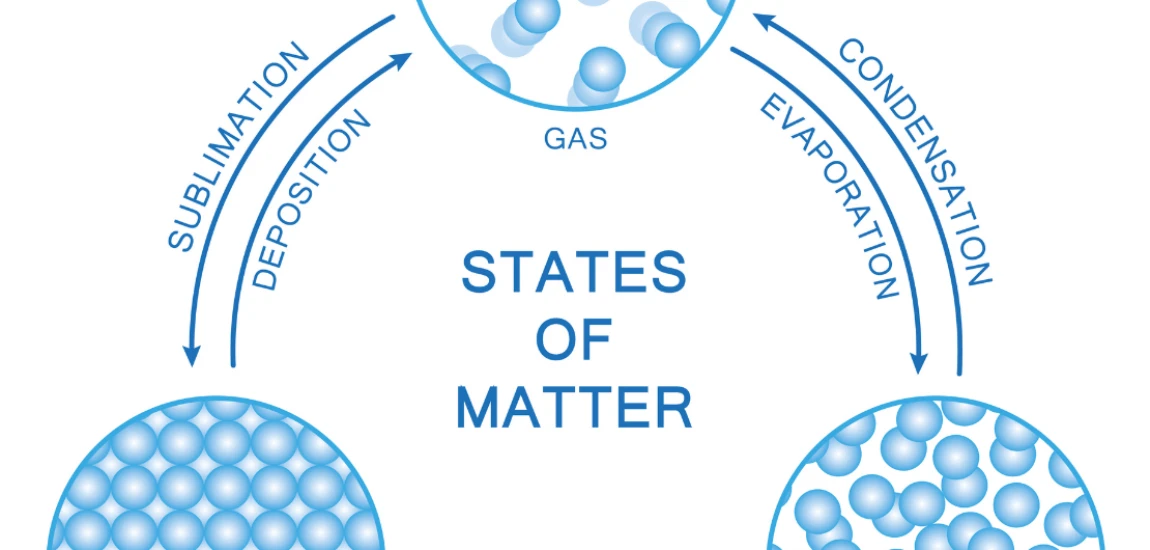
Advances in materials science and engineering are transforming the way we design products, buildings, medical devices, and intelligent machines. Traditional materials are manufactured with fixed shapes and properties, limiting their ability to adapt to changing environments. As industries demand more flexible, efficient, and autonomous technologies, researchers are developing innovative materials that can respond dynamically to external stimuli. One of the most exciting developments in this field is programmable matter engineering, which focuses on creating materials capable of changing their shape, structure, or functionality when exposed to specific conditions.
Programmable matter combines principles from nanotechnology, robotics, materials science, artificial intelligence, and computer engineering to create highly adaptive systems. These materials may respond to heat, light, electricity, magnetic fields, pressure, or chemical signals, allowing them to transform without manual intervention. Closely related are shape-shifting smart materials, which can alter their physical form while maintaining their structural integrity. Such capabilities could revolutionize industries ranging from healthcare and aerospace to construction, manufacturing, and consumer electronics.
Although many programmable materials are still being developed in research laboratories, rapid progress in smart polymers, metamaterials, self-healing materials, and soft robotics is bringing these technologies closer to commercial use. As innovation continues, programmable matter engineering is expected to play a major role in creating intelligent products that adapt to their surroundings, reduce maintenance requirements, and improve overall performance.
Understanding Programmable Matter Engineering

What Is Programmable Matter?
Programmable matter refers to materials that can alter their physical properties, shape, or behavior in response to programmed instructions or external stimuli. Unlike conventional materials, these advanced systems are designed to adapt automatically without requiring manual modification. Depending on their design, programmable matter may respond to changes in temperature, light, electric fields, magnetic forces, or mechanical pressure, making it suitable for a wide variety of dynamic applications.
How Shape-Shifting Smart Materials Work
Shape-shifting smart materials are engineered using advanced compounds such as shape-memory alloys, smart polymers, hydrogels, and metamaterials. These materials are capable of returning to a predefined shape or changing their structure when activated by environmental conditions. Sensors, embedded microelectronics, and intelligent control systems can further enhance their responsiveness, allowing materials to react accurately and efficiently in real-world situations.
Why Programmable Matter Is Important
As technology becomes increasingly autonomous, industries require materials that can adapt without human intervention. Programmable matter offers solutions for challenges such as reducing maintenance costs, improving product durability, increasing manufacturing flexibility, and enabling intelligent automation. Its ability to respond to changing environments makes it particularly valuable for robotics, medical devices, aerospace engineering, wearable technology, and next-generation infrastructure.
Programmable matter engineering represents a significant advancement in materials science by introducing adaptability into physical structures. Rather than remaining static throughout their lifespan, these materials can evolve according to operational needs, environmental changes, or user requirements. Researchers continue to improve their durability, responsiveness, and scalability while reducing manufacturing costs. As these technologies mature, programmable matter is expected to become a fundamental component of future engineering systems, enabling products and structures that are more efficient, resilient, and capable of adapting to an ever-changing world.
How Shape-Shifting Smart Materials Work

Response to External Stimuli
Shape-shifting smart materials are designed to react to external factors such as heat, light, electricity, magnetic fields, moisture, or mechanical pressure. These stimuli trigger changes in the material's internal structure, allowing it to alter its shape or physical properties without external mechanical assistance.
Smart Materials and Advanced Technologies
Many programmable materials are created using shape-memory alloys, smart polymers, hydrogels, and metamaterials. These advanced materials are often combined with sensors, microelectronics, and artificial intelligence to improve their responsiveness, precision, and ability to adapt to changing environments.
Self-Adaptation and Reconfiguration
One of the most valuable features of programmable matter is its ability to reconfigure itself based on operational requirements. Instead of remaining fixed, these materials can adjust their structure to improve performance, repair minor damage, or optimize functionality, making them highly suitable for future autonomous technologies.
Applications of Programmable Matter Engineering

Healthcare and Medical Devices
Programmable matter has significant potential in healthcare by enabling smart implants, targeted drug delivery systems, and minimally invasive surgical devices. Shape-shifting materials can adapt to the human body, improving treatment accuracy while enhancing patient comfort and recovery.
Robotics and Aerospace Engineering
Soft robots equipped with programmable materials can change their shape to navigate complex environments or perform delicate tasks. In aerospace, adaptive materials can improve aircraft performance, reduce weight, and create spacecraft components that automatically adjust to changing environmental conditions.
Manufacturing and Consumer Technology
Manufacturers can use programmable matter to develop self-assembling products, adaptive production systems, and intelligent packaging solutions. Consumer electronics may also benefit from flexible displays, wearable devices, and products capable of changing their design or functionality according to user needs.
Benefits and Future of Shape-Shifting Smart Materials

Improved Efficiency and Sustainability
Programmable matter reduces material waste by enabling products to adapt instead of being replaced. Its self-adjusting capabilities also improve energy efficiency, extend product lifespans, and support more sustainable manufacturing practices across multiple industries.
Enhanced Safety and Reliability
Shape-shifting smart materials can respond automatically to changing conditions, improving the safety of medical devices, transportation systems, and industrial equipment. Their ability to detect environmental changes and adapt accordingly helps reduce failures and maintenance requirements.
Future Outlook
As advances in nanotechnology, artificial intelligence, and materials science continue, programmable matter is expected to become increasingly practical for commercial applications. Future innovations may lead to intelligent buildings, adaptive infrastructure, advanced robotics, and smart consumer products that continuously respond to their surroundings, transforming the way materials interact with the world.


Operating "The Blonde Abroad," Kiersten Rich specializes in solo female travel. Her blog provides destination guides, packing tips, and travel resources.
Kiersten Rich

Prev Post
Next Post