
Swarm Intelligence Robotics and the Future of Fully Autonomous Industrial Ecosystems
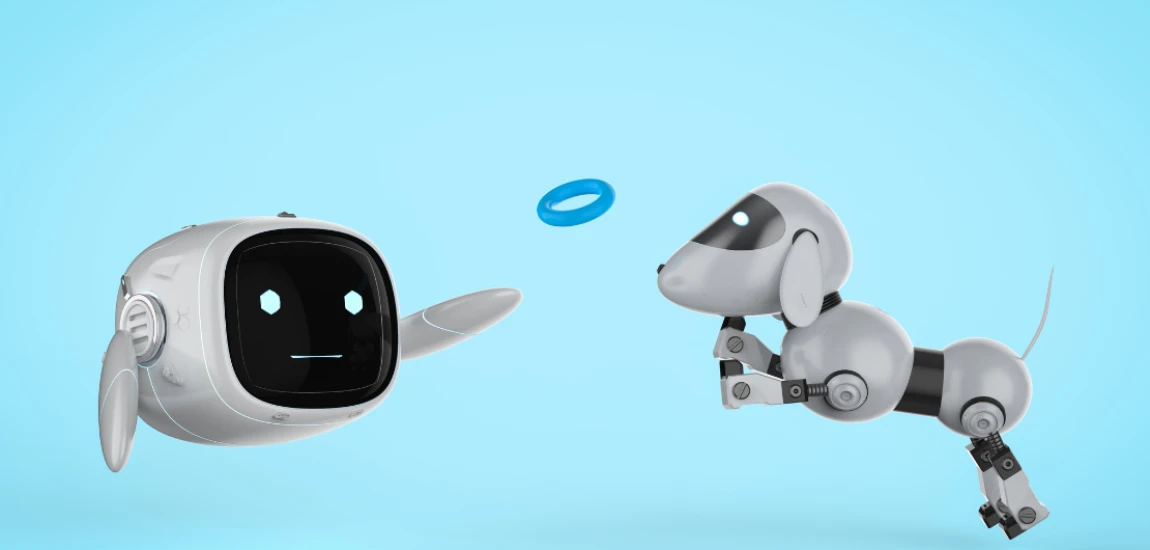
The manufacturing industry is entering a new era where intelligent machines no longer operate as isolated units but as highly coordinated teams capable of solving complex problems collectively. This transformation is being driven by Swarm Intelligence Robotics, an innovative field inspired by the cooperative behavior of ants, bees, birds, and fish. Instead of relying on centralized control, swarm robotics enables hundreds or even thousands of autonomous robots to communicate, coordinate, and adapt in real time, creating highly efficient industrial ecosystems capable of responding instantly to changing production requirements.
Traditional industrial automation has delivered significant improvements in productivity over the past several decades, but centralized robotic systems often struggle with flexibility, scalability, and resilience. If one component fails, entire production lines may be disrupted. Swarm intelligence overcomes these limitations by distributing decision-making across many autonomous robots. Every robotic unit contributes to the overall objective while independently reacting to local conditions, allowing the system to remain productive even when individual robots experience failures.
Powered by artificial intelligence, machine learning, Industrial Internet of Things (IIoT), edge computing, and advanced wireless communication, swarm intelligence robotics is becoming a cornerstone of Industry 5.0. These intelligent robotic ecosystems promise to revolutionize manufacturing, logistics, infrastructure management, agriculture, and disaster response while improving efficiency, reducing operational costs, and supporting sustainable industrial development. This article explores the technologies, applications, benefits, and future trends that are shaping the evolution of fully autonomous industrial ecosystems.
Understanding Swarm Intelligence Robotics and Its Technological Foundations

Nature-Inspired Collective Intelligence
Swarm intelligence robotics takes inspiration from natural systems where large groups of simple organisms accomplish remarkably complex tasks through cooperation. Ant colonies efficiently locate food sources, honeybees collectively select nesting sites, and bird flocks change direction almost instantly without a central leader. These biological systems demonstrate that simple local interactions can produce highly organized global behavior.
Engineers apply these same principles to robotic systems by designing autonomous machines that follow decentralized decision-making rules. Each robot continuously gathers environmental information, exchanges data with nearby robots, and adjusts its behavior according to local conditions. Instead of waiting for instructions from a central computer, the entire robotic swarm coordinates itself dynamically.
This distributed intelligence provides remarkable adaptability. If one robot becomes unavailable, neighboring robots automatically redistribute tasks, ensuring uninterrupted operations. As industrial environments become more dynamic, this self-organizing capability offers significant advantages over traditional automation systems.
Core Technologies Enabling Swarm Robotics
Several advanced technologies work together to enable intelligent robotic swarms. Artificial intelligence provides autonomous decision-making capabilities, while machine learning allows robots to improve coordination strategies through continuous experience. Reinforcement learning algorithms help robotic teams optimize task allocation and navigation over time.
Industrial Internet of Things (IIoT) sensors provide real-time environmental awareness through cameras, lidar, radar, ultrasonic sensors, temperature monitors, and force detection systems. Edge computing processes sensor information locally, reducing communication delays and allowing immediate responses to changing conditions.
Wireless communication technologies such as 5G, Wi-Fi 6, and future industrial networking standards enable robots to exchange operational data almost instantly. Cloud computing complements local processing by supporting large-scale analytics, predictive maintenance, software updates, and long-term optimization across multiple manufacturing facilities.
Why Swarm Intelligence Is Transforming Industry
Modern manufacturers require production systems capable of adapting rapidly to customized orders, changing customer preferences, supply chain disruptions, and evolving market conditions. Conventional automation often requires extensive reprogramming whenever production requirements change.
Swarm intelligence robotics eliminates many of these limitations through decentralized adaptability. New robots can be introduced seamlessly, workflows automatically reorganize, and production continues even when unexpected disruptions occur. This flexibility increases operational resilience while reducing downtime and maintenance costs.
The ability to scale operations without redesigning entire production systems makes swarm robotics particularly attractive for industries pursuing digital transformation and intelligent automation.
Building Fully Autonomous Industrial Ecosystems Through Swarm Collaboration

Decentralized Decision-Making Improves Operational Resilience
One of the defining strengths of swarm intelligence robotics is decentralized control. Rather than relying on a single decision-making center, every robot independently evaluates its surroundings and contributes to collective problem-solving. This architecture eliminates single points of failure while improving system reliability.
When production conditions change unexpectedly, robotic swarms rapidly redistribute responsibilities without waiting for centralized instructions. Machines automatically identify alternative routes, reassign workloads, and optimize resource allocation based on real-time operational requirements.
This continuous adaptation enables manufacturing systems to remain productive despite equipment failures, inventory shortages, or unexpected production changes. As industrial environments become increasingly complex, decentralized intelligence provides the flexibility necessary for long-term operational success.
Collaborative Robots Working as Intelligent Teams
Unlike conventional industrial robots that perform isolated tasks, swarm robots function as cooperative teams. Each robotic unit specializes in specific responsibilities while maintaining continuous awareness of neighboring robots and shared production objectives.
For example, autonomous mobile robots transport raw materials to assembly stations while robotic arms perform manufacturing operations. Inspection robots simultaneously verify product quality, and warehouse robots organize inventory for shipping. Artificial intelligence coordinates these activities without requiring constant human supervision.
This collaborative approach improves productivity because robots dynamically balance workloads, reduce idle time, and optimize resource utilization throughout the production process. As industrial ecosystems expand, collaborative intelligence becomes increasingly valuable for maintaining operational efficiency.
Adaptive Manufacturing Powered by Artificial Intelligence
Artificial intelligence transforms swarm robotics into continuously improving manufacturing systems. Machine learning algorithms analyze production data, detect bottlenecks, predict equipment failures, and recommend workflow optimizations based on operational performance.
Digital twin technology further enhances adaptability by creating virtual replicas of manufacturing facilities where engineers can simulate production scenarios before implementing physical changes. Predictive analytics identify maintenance requirements early, allowing robotic swarms to reroute production automatically while repairs are completed.
This combination of AI, swarm intelligence, and digital twins creates manufacturing ecosystems capable of learning from experience, optimizing processes continuously, and responding intelligently to changing customer demands while minimizing operational costs.
Real-World Applications of Swarm Intelligence Robotics

Smart Manufacturing and Flexible Production Systems
Swarm Intelligence Robotics is rapidly transforming manufacturing by enabling groups of autonomous robots to work together with minimal human intervention. Unlike traditional production lines that depend on fixed automation, swarm robotic systems continuously adjust their activities based on real-time production requirements. Each robot contributes independently while communicating with neighboring units to maintain smooth and efficient operations.
In modern smart factories, swarm robots perform material handling, product assembly, quality inspection, packaging, and transportation simultaneously. If customer demand changes or production schedules are modified, robotic swarms reorganize tasks automatically without requiring extensive reprogramming. This flexibility allows manufacturers to produce customized products while maintaining high production speeds and consistent quality.
Artificial intelligence further strengthens these systems by analyzing operational data, predicting maintenance requirements, and optimizing manufacturing workflows. Combined with Industrial Internet of Things (IIoT) devices, digital twins, and edge computing, swarm robotics enables factories to reduce downtime, minimize waste, and improve resource utilization. These intelligent production environments support sustainable manufacturing while helping organizations remain competitive in rapidly changing global markets.
Revolutionizing Warehousing and Supply Chain Management
Modern warehouses require rapid inventory movement, accurate order fulfillment, and efficient logistics coordination. Swarm intelligence robotics enables fleets of autonomous mobile robots to collaborate when transporting products, organizing storage locations, and preparing shipments. Instead of following predetermined routes, robots continuously exchange information and calculate the safest and most efficient paths through the warehouse.
Artificial intelligence coordinates inventory distribution based on customer demand, shipment priorities, and warehouse capacity. If one robot experiences a technical problem, nearby robots automatically assume its responsibilities, ensuring uninterrupted warehouse operations. This decentralized coordination improves productivity while reducing delivery delays and operational costs.
Swarm robotics also enhances supply chain resilience by supporting ports, airports, distribution centers, and freight terminals. Autonomous robotic fleets can load cargo, inspect containers, monitor equipment, and optimize transportation schedules while adapting to unexpected disruptions. As global supply chains become increasingly complex, collaborative robotic systems provide greater flexibility, reliability, and efficiency.
Infrastructure Monitoring and Emergency Response
Swarm intelligence extends well beyond industrial manufacturing. Groups of autonomous aerial drones, ground vehicles, and underwater robots can inspect bridges, highways, pipelines, wind farms, electrical grids, railways, and offshore facilities more efficiently than traditional inspection methods.
These robotic swarms collect high-resolution environmental and structural data simultaneously across large geographic areas, enabling engineers to identify maintenance requirements before major failures occur. Artificial intelligence analyzes inspection results in real time, improving predictive maintenance and infrastructure reliability.
Emergency response agencies also benefit from swarm robotics during earthquakes, floods, wildfires, industrial accidents, and search-and-rescue operations. Autonomous robots can rapidly survey hazardous environments, locate survivors, deliver emergency supplies, and support rescue teams while minimizing risks to human responders. Their ability to coordinate independently makes them valuable tools for disaster management and public safety.
Challenges and Ethical Considerations of Swarm Intelligence Robotics

Communication Reliability and System Coordination
Despite remarkable progress, maintaining reliable communication among hundreds or thousands of autonomous robots remains a significant engineering challenge. Swarm robots must exchange information continuously while avoiding communication delays, network congestion, and signal interference that could reduce coordination efficiency.
Researchers continue developing advanced wireless communication protocols, distributed networking technologies, and edge computing architectures that improve scalability without overloading communication systems. Reliable synchronization becomes increasingly important as robotic swarms expand across larger industrial facilities and more demanding operational environments.
Continued innovation in communication technologies will ensure robotic swarms remain responsive, coordinated, and capable of handling highly complex industrial tasks.
Cybersecurity and Safe Human Collaboration
As robotic ecosystems become more interconnected, cybersecurity becomes a critical priority. Every autonomous robot connected to industrial networks represents a potential target for cyberattacks that could disrupt manufacturing operations or compromise sensitive business information.
Organizations must implement secure communication protocols, strong encryption, continuous monitoring, and AI-powered threat detection to protect swarm robotics against unauthorized access. Regular software updates and security audits further strengthen system resilience.
Safety is equally important when humans and robots work together. Intelligent collision avoidance, emergency shutdown procedures, and advanced sensor systems ensure collaborative workplaces remain safe while maximizing productivity. Establishing robust operational standards will help industries deploy swarm robotics responsibly.
Workforce Development and Responsible Automation
The rise of swarm intelligence robotics is transforming workforce requirements across manufacturing, logistics, and engineering. While automation reduces repetitive manual tasks, it also creates demand for professionals skilled in robotics, artificial intelligence, software development, cybersecurity, and industrial systems engineering.
Businesses should invest in employee training programs that help workers transition into higher-value technical and supervisory roles. Human expertise remains essential for strategic planning, ethical oversight, and continuous improvement of autonomous industrial ecosystems.
Responsible AI governance should also ensure transparency, accountability, and fairness in automated decision-making. Maintaining appropriate human oversight will encourage public trust while supporting sustainable technological progress.


Ben Schlappig runs "One Mile at a Time," focusing on aviation and frequent flying. He offers insights on maximizing travel points, airline reviews, and industry news.
Ben Schlappig

Prev Post

Next Post