
Bio-Inspired Robotics Intelligence Systems and Adaptive Motion Control Networks
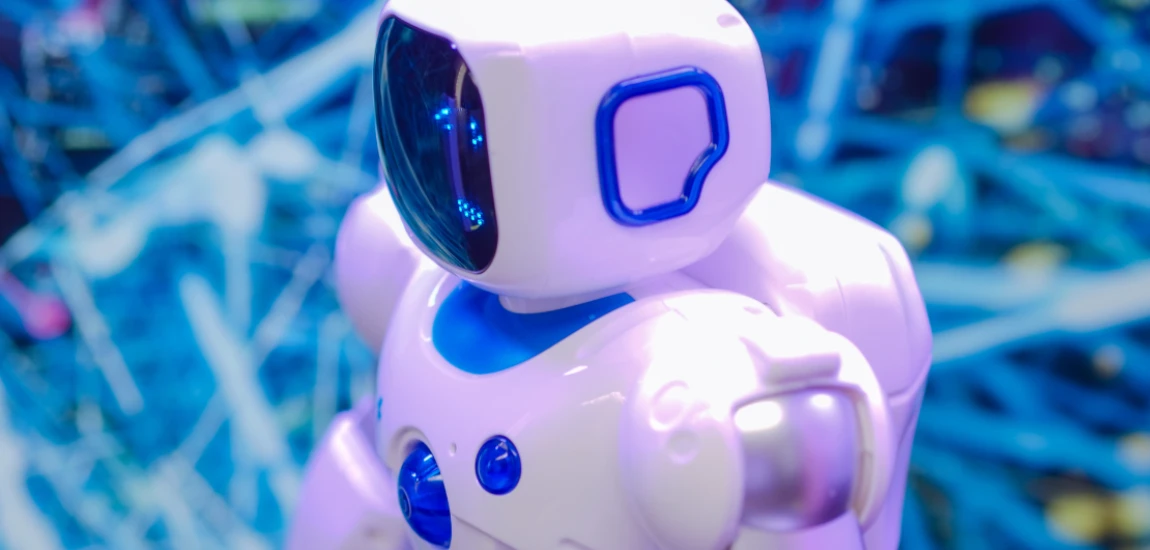
The field of robotics is evolving rapidly with the integration of artificial intelligence, machine learning, and biologically inspired engineering principles. Traditional robots were designed for repetitive tasks in controlled environments, but modern intelligent robots are becoming more adaptive, flexible, and capable of operating in dynamic real-world situations. One of the most exciting developments in this area is the emergence of bio-inspired robotics intelligence systems and adaptive motion control networks. These systems mimic biological organisms such as humans, insects, birds, and marine animals to achieve efficient movement, environmental awareness, and intelligent decision-making. By combining neural-inspired algorithms, advanced sensors, and adaptive control systems, bio-inspired robots are revolutionizing industries such as healthcare, manufacturing, defense, exploration, and autonomous transportation. This blog explores the technologies, applications, advantages, challenges, and future trends shaping this innovative robotics field.
Understanding Bio-Inspired Robotics Intelligence Systems

What Are Bio-Inspired Robotics Systems?
Bio-inspired robotics intelligence systems are robotic platforms designed by imitating natural biological structures, behaviors, and movement patterns. These systems draw inspiration from living organisms to create machines capable of efficient motion, adaptability, and intelligent interaction with their surroundings. Engineers and researchers study animals and human biomechanics to design robotic systems that can move naturally and efficiently in complex environments.
For example, robotic dogs mimic the walking and balancing capabilities of real animals, while robotic fish use fin-like propulsion mechanisms to move underwater with minimal energy consumption. By observing nature, scientists can create robots that are more agile, flexible, and resilient compared to conventional robotic systems.
These systems often integrate AI algorithms that allow robots to learn from their environment and improve their behavior over time. This makes bio-inspired robots highly valuable for environments where traditional automation struggles, such as disaster zones, underwater exploration, or uneven terrain.
Importance of Biological Inspiration in Robotics
Nature has evolved highly optimized movement and survival strategies over millions of years. Bio-inspired robotics takes advantage of these naturally efficient systems to improve robotic performance. By studying biological organisms, engineers can develop robots that consume less energy, adapt to changing environments, and perform tasks with greater precision.
For instance, insect-inspired robots are used for surveillance and search-and-rescue operations because of their small size and agility. Similarly, bird-inspired drones can achieve more stable and efficient flight patterns. These natural movement strategies improve the functionality of robotic systems while reducing mechanical complexity.
Biological inspiration also helps improve human-robot interaction. Robots designed with human-like movements and behaviors are often easier for humans to understand and interact with, making them more suitable for healthcare, customer service, and assistive technologies.
Key Components of Intelligent Bio-Inspired Robots
Modern bio-inspired robotic systems rely on multiple technologies working together. These include advanced sensors, AI-powered processors, actuators, neural networks, and adaptive motion control systems. Sensors allow robots to perceive environmental conditions, while AI systems analyze this data and make intelligent decisions.
Actuators provide movement capabilities by converting energy into mechanical motion. In bio-inspired robots, actuators are often designed to replicate muscles or joints found in living organisms. Adaptive control systems ensure that movement remains stable and efficient even in unpredictable environments.
These robots also use machine learning algorithms to continuously improve their performance. Over time, they can adapt to new terrains, optimize movement patterns, and refine their responses to environmental changes.
Adaptive Motion Control Networks Explained

What Are Adaptive Motion Control Networks?
Adaptive motion control networks are intelligent systems that manage and optimize robotic movement in real time. Unlike traditional control systems that follow fixed instructions, adaptive networks continuously adjust robotic behavior based on environmental feedback and operational conditions.
These networks allow robots to maintain balance, navigate obstacles, and perform tasks accurately in changing environments. For example, a humanoid robot walking on uneven terrain can instantly adjust its posture and movement to prevent falling.
Adaptive motion control is essential for autonomous robotics because it enables robots to function effectively without constant human supervision.
Real-Time Feedback and Environmental Adaptation
One of the most important features of adaptive motion control networks is real-time feedback processing. Sensors continuously collect information about the robot’s surroundings, including terrain conditions, obstacles, temperature, and movement dynamics.
This information is processed instantly by AI algorithms that adjust robotic actions accordingly. If a robotic arm encounters unexpected resistance while lifting an object, the system can automatically modify grip strength and movement trajectory.
This adaptability improves robotic efficiency, safety, and reliability in unpredictable environments.
Neural-Inspired Motion Coordination
Many adaptive motion control systems are inspired by biological nervous systems. Neural-inspired coordination models mimic how the brain and nervous system control movement in living organisms.
Artificial neural networks help robots coordinate multiple movements simultaneously while maintaining balance and precision. This approach enables more fluid and natural motion patterns.
For example, quadruped robots inspired by animals can synchronize leg movements efficiently, allowing smooth walking, running, and climbing actions.
Core Technologies Behind Bio-Inspired Robotics

Artificial Intelligence and Machine Learning
Artificial intelligence is the foundation of modern bio-inspired robotics systems. AI enables robots to analyze sensory data, recognize patterns, and make autonomous decisions. Machine learning allows robots to improve their behavior through experience and environmental interaction.
Deep learning models are especially useful in object recognition, path planning, and movement optimization. These capabilities make robots more intelligent and adaptable over time.
AI-driven robotics also supports predictive maintenance, helping systems identify mechanical issues before failures occur.
Sensor Fusion and Computer Vision
Sensor fusion combines data from multiple sensors to create a detailed understanding of the robot’s environment. Cameras, LiDAR, infrared sensors, and motion detectors work together to improve navigation and situational awareness.
Computer vision systems enable robots to recognize objects, interpret visual information, and interact safely with humans and surroundings. These technologies are critical for autonomous movement and decision-making.
Advanced sensor integration also enhances precision in industrial and medical robotics applications.
Soft Robotics and Biomechanical Design
Soft robotics is an emerging field focused on creating flexible robotic structures inspired by biological organisms. Unlike rigid machines, soft robots use flexible materials that allow safer and more adaptive movement.
Biomechanical design replicates natural body structures such as muscles, tendons, and joints. This improves movement efficiency and allows robots to perform delicate tasks with precision.
Soft robotic systems are increasingly used in medical surgery, rehabilitation devices, and wearable robotic technologies.
Applications Across Industries

Healthcare and Medical Robotics
Bio-inspired robots are transforming healthcare through robotic surgery, rehabilitation systems, and patient assistance technologies. Robotic exoskeletons help patients regain mobility, while surgical robots improve precision in complex medical procedures.
Adaptive motion control enables these systems to respond accurately to patient movements and environmental conditions. This improves treatment outcomes and patient safety.
Healthcare robotics also supports elderly care by assisting with daily activities and monitoring patient health.
Industrial Automation and Manufacturing
In manufacturing, bio-inspired robots improve automation efficiency by handling tasks that require flexibility and adaptability. These robots can navigate dynamic factory environments and collaborate safely with human workers.
Adaptive control systems optimize movement precision and reduce operational errors. This increases productivity while lowering costs and downtime.
Industrial robotics also benefits from predictive analytics and AI-based optimization strategies.
Defense, Exploration, and Environmental Monitoring
Bio-inspired robotics systems are widely used in defense and exploration missions. Insect-inspired drones assist in surveillance operations, while underwater robots explore deep-sea environments.
These systems can operate in hazardous or inaccessible areas where human presence is risky. Adaptive motion control ensures stability and operational reliability under challenging conditions.
Environmental monitoring robots also help track pollution, wildlife behavior, and climate conditions.


Kate McCulley, the voice behind "Adventurous Kate," provides travel advice tailored for women. Her blog encourages safe and adventurous travel for female readers.
Kate McCulley

Prev Post

Next Post