
Digital Privacy in the Modern Internet – Protecting Personal Information Online
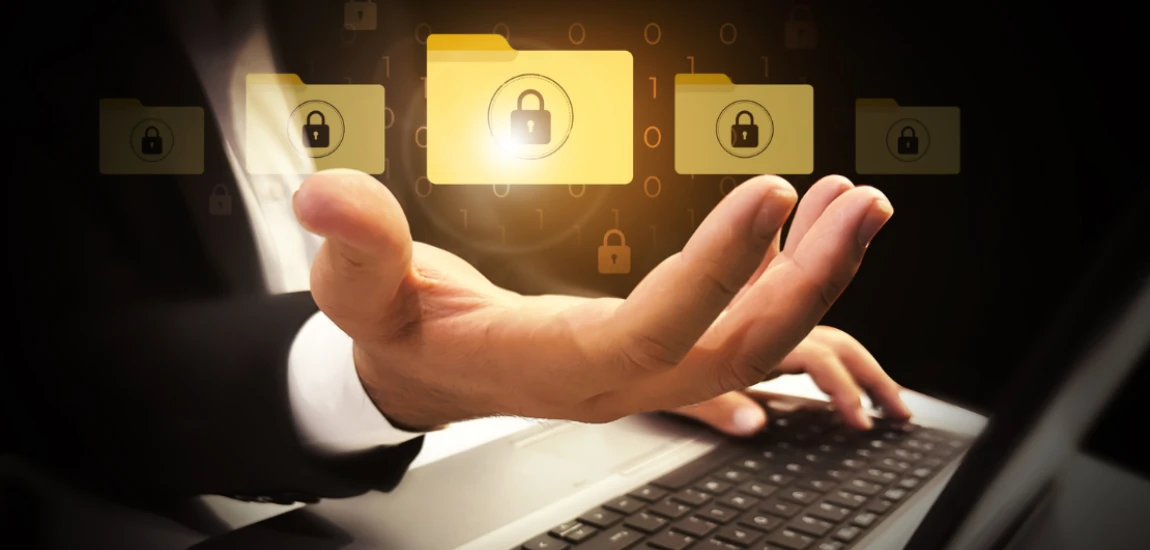
The internet has transformed the way people communicate, work, shop, and access information. Online platforms provide incredible convenience, allowing users to connect with others, store data, conduct financial transactions, and participate in digital communities. However, this convenience also comes with significant concerns related to personal data protection and online security.
Digital privacy in the modern internet has become one of the most important topics in today’s digital world. Every time individuals browse websites, create accounts, or use social media platforms, they generate data that can potentially be collected, stored, and analyzed. Personal information such as names, locations, browsing habits, and financial details can be vulnerable if proper privacy measures are not in place.
Many online platforms collect user data to improve services, personalize experiences, and support digital advertising systems. While this data collection can enhance user experiences, it also raises concerns about how personal information is stored, shared, and protected.
Understanding digital privacy is essential for anyone who uses the internet regularly. Individuals must be aware of the risks associated with sharing personal data and learn how to manage privacy settings, secure online accounts, and recognize potential threats such as identity theft and data breaches.
As digital technologies continue to evolve, protecting personal information will remain a critical responsibility for both users and technology companies. By adopting effective privacy practices and staying informed about online risks, individuals can maintain greater control over their digital identities and ensure safer internet experiences.
Understanding Digital Privacy and Data Collection

What Digital Privacy Means
Digital privacy refers to the protection of personal information that individuals share or generate while using online platforms. This information can include names, email addresses, phone numbers, browsing history, location data, and even personal preferences.
When people interact with websites or mobile applications, their activities often generate data that can be stored by companies or service providers. Digital privacy focuses on ensuring that this data is handled responsibly and protected from unauthorized access.
Maintaining digital privacy allows individuals to control how their personal information is used and who has access to it.
How Online Platforms Collect Data
Online platforms collect user data in several ways. Websites often use cookies and tracking technologies to monitor user behavior, including the pages visited, time spent online, and search patterns.
Mobile applications may collect additional information such as device data, location details, and usage statistics. Social media platforms gather information from user profiles, posts, and interactions with other users.
This data collection helps companies improve services and personalize user experiences, but it also creates potential privacy concerns.
Why Data Privacy Matters
Protecting personal data is essential for preventing misuse of information. If personal data falls into the wrong hands, it can lead to identity theft, financial fraud, or other security risks.
Digital privacy also plays an important role in protecting personal freedom. Individuals should have the right to control how their personal information is collected and used.
Understanding how data is collected and managed allows users to make informed decisions about their online activities.
Common Digital Privacy Risks

Data Breaches and Cyber Attacks
One of the most significant threats to digital privacy is the risk of data breaches. A data breach occurs when unauthorized individuals gain access to confidential information stored by companies or organizations.
Cyber attackers often target databases containing sensitive information such as passwords, financial records, and personal identification details.
When these breaches occur, millions of users may be affected, and their personal data may be exposed.
Identity Theft and Fraud
Identity theft is another major risk associated with poor digital privacy practices. Cybercriminals can use stolen personal information to impersonate individuals and perform fraudulent activities.
These activities may include opening financial accounts, making unauthorized purchases, or accessing private services.
Protecting personal data is therefore critical to preventing identity-related crimes.
Online Tracking and Profiling
Many websites and advertising networks track user behavior across multiple platforms. This tracking allows companies to create detailed profiles of individuals based on their online activities.
While profiling can be used for personalized advertising, it may also raise concerns about excessive monitoring and lack of privacy.
Understanding how online tracking works helps users take steps to limit unwanted data collection.
Protecting Personal Information Online

Creating Strong Passwords
One of the most effective ways to protect online accounts is by creating strong and unique passwords. Weak passwords can easily be guessed or cracked by automated hacking tools.
A strong password typically includes a combination of letters, numbers, and special characters. Using different passwords for multiple accounts also helps reduce the risk of widespread data compromise.
Password management tools can help users store and organize secure login credentials.
Enabling Multi-Factor Authentication
Multi-factor authentication adds an additional layer of security to online accounts. Instead of relying solely on a password, users must verify their identity through another method such as a text message code or authentication application.
This extra step makes it much more difficult for attackers to access accounts even if they obtain login credentials.
Many major online platforms now support multi-factor authentication for improved security.
Being Careful with Personal Information
Users should always be cautious when sharing personal information online. Posting sensitive details on public platforms can expose individuals to privacy risks.
Information such as home addresses, financial details, and personal identification numbers should never be shared publicly.
Practicing careful data sharing habits helps protect personal privacy.
Managing Privacy Settings on Online Platforms

Understanding Platform Privacy Controls
Most online platforms provide privacy settings that allow users to control how their information is shared. These settings can determine who can view profiles, posts, and personal details.
Taking the time to review and adjust these settings is an important step in protecting digital privacy.
Users should regularly check privacy settings to ensure their information remains protected.
Limiting Data Sharing
Many platforms request access to additional data such as location services, contact lists, or browsing activity. While some features may require this information, users should carefully consider whether such permissions are necessary.
Limiting unnecessary data sharing reduces the amount of personal information available to third parties.
Being selective about permissions helps maintain better control over personal data.
Reviewing App Permissions
Mobile applications often request access to device features such as cameras, microphones, and storage. While some permissions are required for functionality, others may not be essential.
Users should review application permissions regularly and disable access that is not needed.
Managing these permissions helps prevent unnecessary data collection.


Gilbert Ott, the man behind "God Save the Points," specializes in travel deals and luxury travel. He provides expert advice on utilizing rewards and finding travel discounts.
Gilbert Ott

Prev Post

Next Post