
Space-Based Solar Power Networks and Global Wireless Energy Transmission Architectures
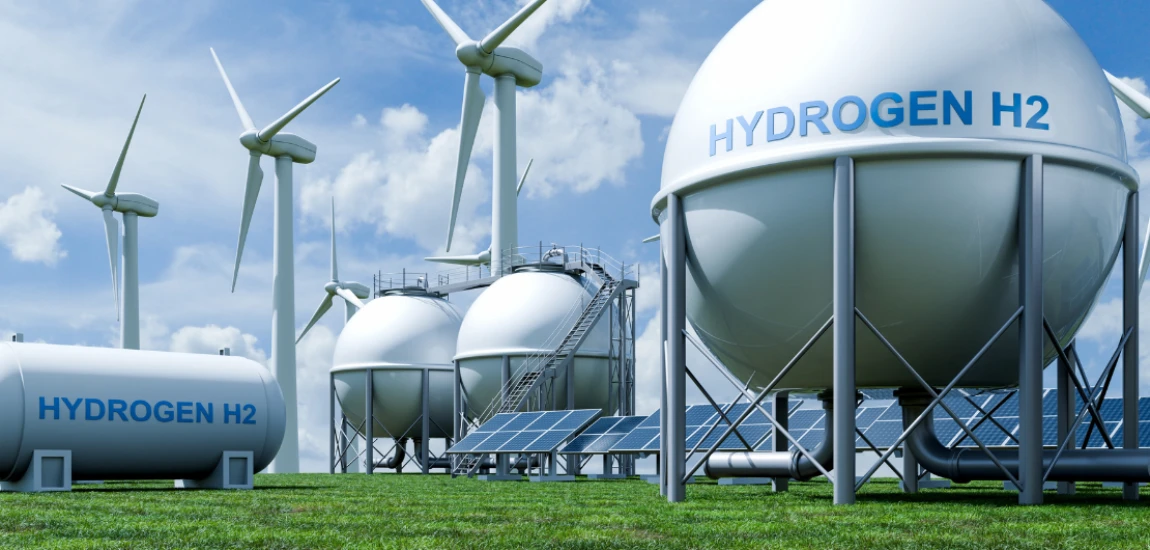
As global energy demand continues to rise, governments, researchers, and technology companies are exploring revolutionary solutions that go beyond conventional renewable energy systems. One of the most ambitious concepts currently under development is Space-Based Solar Power Networks (SBSPNs). These systems aim to collect solar energy in space and transmit it wirelessly to Earth, providing a continuous and virtually unlimited source of clean power.
Unlike terrestrial solar farms, which are affected by weather conditions, nighttime cycles, and seasonal variations, solar power satellites in orbit can capture sunlight nearly 24 hours a day. By combining advanced photovoltaic technologies, wireless energy transmission methods, artificial intelligence, and space infrastructure, these networks could fundamentally transform global energy production and distribution.
The concept may sound futuristic, but recent advancements in reusable launch systems, lightweight solar materials, microwave transmission technologies, and autonomous satellite operations have moved space-based solar power closer to practical reality. If successfully implemented, global wireless energy transmission architectures could address energy shortages, reduce carbon emissions, and support sustainable development worldwide.
This article explores the technologies, benefits, challenges, and future prospects of space-based solar power networks and their role in creating a globally connected clean energy ecosystem.
Understanding Space-Based Solar Power Networks

The Fundamental Concept Behind Orbital Solar Energy
Space-based solar power networks are designed to harvest solar energy using satellites positioned in orbit around Earth. These satellites contain large solar arrays capable of collecting sunlight continuously without atmospheric interference. The captured energy is then converted into electromagnetic waves and transmitted wirelessly to receiving stations on Earth.
The concept was first proposed decades ago, but technological limitations prevented large-scale implementation. Today, advances in aerospace engineering and renewable energy technologies have renewed interest in making orbital power generation a viable solution.
Because solar radiation in space is significantly more intense than on Earth's surface, orbital systems can generate substantially higher levels of energy. Furthermore, the absence of clouds, storms, and atmospheric absorption increases efficiency and reliability.
Components of a Space-Based Energy Network
A complete space-based solar power network consists of multiple interconnected components. Solar collection satellites gather energy, while wireless transmission systems convert electrical power into microwave or laser beams. Ground-based receiving stations, known as rectennas, convert transmitted energy back into usable electricity.
Artificial intelligence systems monitor performance, optimize energy distribution, and manage network operations. Advanced communication infrastructure ensures continuous coordination between orbital and terrestrial components.
Together, these technologies create a seamless energy ecosystem capable of delivering power across continents.
Why Space Is an Ideal Location for Solar Harvesting
Solar energy generation on Earth is constrained by environmental conditions. In contrast, space provides nearly uninterrupted access to sunlight. Geostationary satellites can remain exposed to solar radiation for over 99% of the year, maximizing energy production.
This advantage allows space-based systems to provide reliable baseload power that complements existing renewable energy sources and reduces dependence on fossil fuels.
Technologies Driving Wireless Energy Transmission

Microwave Power Beaming Systems
Microwave transmission is currently considered one of the most practical methods for wireless energy delivery. In this approach, electrical energy generated by solar satellites is converted into microwave frequencies and directed toward Earth using highly focused antenna arrays.
Receiving stations equipped with rectennas capture the microwaves and convert them back into electricity. The process can achieve high transmission efficiency over vast distances.
Microwave systems are particularly attractive because they can operate through clouds and varying weather conditions, ensuring consistent energy delivery.
Laser-Based Energy Transfer Technologies
Laser transmission offers another promising approach to wireless energy transfer. Instead of microwaves, energy is converted into concentrated laser beams and transmitted to ground-based receivers.
Laser systems provide highly precise targeting capabilities, making them suitable for delivering power to remote regions, maritime platforms, and future lunar or Martian infrastructure.
Researchers are developing advanced laser technologies that improve efficiency while minimizing atmospheric losses and safety concerns.
Advanced Beam Control and Safety Mechanisms
A critical requirement for wireless energy transmission is ensuring safety and reliability. Modern beam control systems use artificial intelligence, sensors, and adaptive optics to maintain accurate targeting and prevent unintended exposure.
These technologies continuously monitor environmental conditions and adjust transmission parameters accordingly. Automatic shutdown systems can rapidly deactivate energy beams if anomalies are detected.
Such safeguards are essential for gaining public trust and regulatory approval for future deployments.
The Architecture of Global Wireless Energy Networks

Creating an Orbital Energy Infrastructure
A global wireless energy network requires a constellation of solar power satellites positioned strategically around Earth. These satellites work together to ensure continuous energy coverage across different regions.
By distributing energy generation across multiple orbital platforms, the network can maintain resilience and reliability even if individual components experience disruptions.
Future architectures may include modular satellites capable of self-repair and autonomous expansion.
Integration with Terrestrial Power Grids
Space-based solar power networks are not intended to replace existing electrical infrastructure entirely. Instead, they will complement terrestrial power grids by providing additional clean energy capacity.
Smart grid technologies can integrate orbital energy supplies with local renewable resources such as wind, hydroelectric, and traditional solar power systems. This integration enhances grid stability and improves energy availability.
AI-powered energy management systems will optimize distribution based on demand patterns and regional requirements.
Cross-Border Energy Distribution
One of the most transformative aspects of wireless energy transmission is the ability to deliver power globally without conventional transmission lines.
Regions experiencing energy shortages could receive electricity directly from orbital systems. This capability could reduce geopolitical tensions related to energy resources and create more equitable access to clean power.
Such global connectivity may fundamentally reshape international energy markets.
Environmental and Economic Benefits of Space-Based Solar Power

Continuous Clean Energy Generation
Unlike terrestrial renewable energy sources, space-based solar power can generate electricity continuously. This reliability reduces dependence on backup fossil fuel systems and improves overall energy security.
Constant energy availability supports industrial operations, transportation systems, and essential services without interruption.
As renewable energy adoption expands, continuous power generation becomes increasingly valuable.
Significant Reduction in Carbon Emissions
Space-based solar power networks could play a major role in global decarbonization efforts. By replacing fossil fuel-based electricity generation, these systems can substantially reduce greenhouse gas emissions.
The ability to provide large-scale clean energy supports international climate goals and accelerates the transition toward sustainable energy systems.
Reduced air pollution would also improve public health outcomes worldwide.
Long-Term Economic Opportunities
Although initial development costs are high, large-scale deployment could create substantial economic benefits. New industries focused on orbital manufacturing, satellite construction, wireless energy technologies, and space infrastructure would emerge.
Job creation across engineering, research, manufacturing, and operations sectors could stimulate economic growth while fostering technological innovation.
Over time, decreasing launch costs may significantly improve project viability.
5. Challenges Facing Space-Based Solar Power Deplo


Operating "The Blonde Abroad," Kiersten Rich specializes in solo female travel. Her blog provides destination guides, packing tips, and travel resources.
Kiersten Rich

Prev Post

Next Post