
AI-Orchestrated Smart Manufacturing Platforms and Autonomous Industrial Transformation Systems
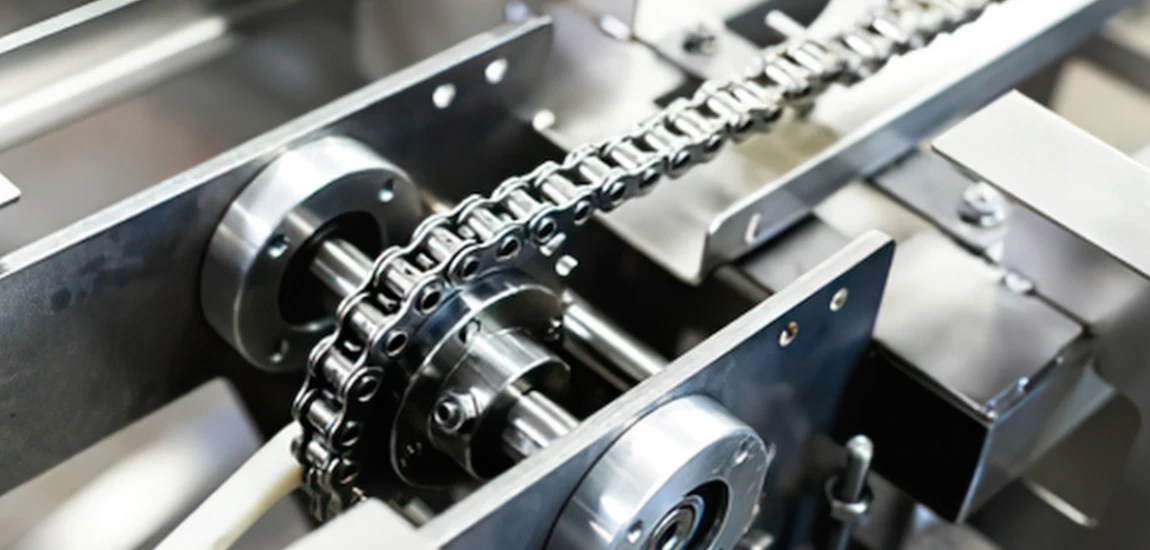
The manufacturing industry is undergoing one of the most significant transformations in its history. Traditional production facilities that once relied heavily on manual labor, isolated machinery, and reactive maintenance strategies are rapidly evolving into highly connected, intelligent, and autonomous ecosystems. This shift is being driven by the convergence of artificial intelligence (AI), industrial automation, machine learning, robotics, cloud computing, digital twins, edge computing, and Industrial Internet of Things (IIoT) technologies.
AI-orchestrated smart manufacturing platforms represent the next stage of industrial evolution. These platforms use advanced algorithms and real-time data analytics to coordinate machines, production lines, supply chains, workforce activities, and quality control systems. Unlike conventional automation systems that follow predefined instructions, AI-powered manufacturing environments continuously learn, adapt, and optimize operations based on changing conditions.
Autonomous industrial transformation systems take this concept even further by enabling factories to self-monitor, self-diagnose, and self-optimize. These intelligent systems can predict equipment failures, adjust production schedules, optimize energy consumption, and improve operational efficiency without constant human intervention.
As global competition intensifies and customer expectations continue to rise, manufacturers are increasingly adopting intelligent technologies to improve productivity, reduce costs, enhance sustainability, and achieve operational excellence. AI-orchestrated smart manufacturing platforms are becoming foundational components of Industry 4.0 and the emerging Industry 5.0 landscape, creating a future where factories operate with unprecedented levels of intelligence, agility, and autonomy.
Understanding AI-Orchestrated Smart Manufacturing Platforms

The Evolution from Traditional Manufacturing to Intelligent Production
Manufacturing has evolved through several technological revolutions. The first industrial revolution introduced mechanization, while subsequent advancements brought electricity, assembly lines, and computer-controlled automation.
Today, manufacturers are entering a new era driven by artificial intelligence and interconnected digital technologies. AI-orchestrated smart manufacturing platforms represent a significant departure from traditional production systems because they continuously analyze operational data and make intelligent decisions.
These platforms create dynamic manufacturing environments capable of adapting to market demands, resource availability, and operational conditions in real time.
Core Components of Smart Manufacturing Platforms
Modern smart manufacturing systems consist of multiple interconnected technologies working together to create intelligent production ecosystems.
Industrial sensors collect real-time operational data from machinery and production lines. AI algorithms analyze this information to identify patterns, optimize processes, and support decision-making. Cloud and edge computing platforms provide computational resources for data processing and analytics.
Robotics, autonomous vehicles, and advanced control systems execute manufacturing tasks with exceptional precision and efficiency.
Real-Time Operational Intelligence
One of the defining features of AI-orchestrated manufacturing platforms is their ability to generate actionable intelligence continuously.
Real-time dashboards provide visibility into equipment performance, production output, inventory levels, and quality metrics. AI systems monitor operations and recommend corrective actions when anomalies occur.
This continuous intelligence enables manufacturers to improve productivity, reduce downtime, and enhance overall operational effectiveness.
Artificial Intelligence as the Manufacturing Orchestrator

AI-Driven Decision-Making Systems
Artificial intelligence serves as the central intelligence layer within smart manufacturing environments. Rather than relying solely on human oversight, AI systems analyze massive volumes of operational data and generate recommendations or automated actions.
Machine learning algorithms identify inefficiencies, optimize workflows, and support strategic decision-making processes. AI can evaluate thousands of variables simultaneously and determine optimal operational configurations.
This capability significantly improves production efficiency and responsiveness.
Intelligent Production Scheduling
Production scheduling has traditionally been a complex and time-consuming task. AI-powered platforms simplify this process by dynamically adjusting schedules based on demand forecasts, resource availability, and equipment status.
Intelligent scheduling systems continuously optimize production plans to maximize output while minimizing costs and delays.
This adaptability enables manufacturers to respond more effectively to changing market conditions.
Continuous Learning and Process Improvement
Unlike traditional automation systems, AI-driven manufacturing platforms improve over time through continuous learning.
Machine learning models analyze historical and real-time data to identify opportunities for process enhancement. As systems gain experience, they become more effective at predicting outcomes and optimizing operations.
Continuous improvement capabilities create long-term competitive advantages for manufacturers.
Autonomous Industrial Transformation Systems

Self-Monitoring Manufacturing Environments
Autonomous industrial systems continuously monitor equipment, production processes, and environmental conditions.
Sensors and IoT devices collect data regarding machine performance, temperature, vibration, energy consumption, and operational efficiency. AI systems evaluate this information to identify potential issues before they become critical.
Self-monitoring capabilities enhance reliability and operational resilience.
Predictive Maintenance and Asset Optimization
Equipment failures can cause costly production interruptions. Predictive maintenance systems use AI and machine learning to forecast maintenance requirements before breakdowns occur.
By analyzing operational data and historical performance trends, AI identifies early warning signs of equipment degradation.
This proactive approach reduces downtime, extends asset lifespans, and lowers maintenance costs.
Autonomous Process Optimization
Autonomous systems continuously adjust production parameters to maximize efficiency and quality.
AI algorithms evaluate process variables and automatically implement improvements when opportunities are identified. These adjustments may involve modifying machine settings, resource allocations, or workflow configurations.
Autonomous optimization ensures consistent performance across manufacturing operations.
Smart Factories and Industry 5.0 Innovation

The Rise of Human-Centric Manufacturing
Industry 5.0 emphasizes collaboration between humans and intelligent machines. Rather than replacing workers, AI systems enhance human capabilities and support more effective decision-making.
Collaborative robots, known as cobots, work alongside employees to improve productivity and safety. AI provides workers with real-time insights and recommendations.
This human-centric approach creates more flexible and adaptive manufacturing environments.
Digital Twins and Virtual Manufacturing Models
Digital twins are virtual representations of physical assets, processes, or entire factories.
Manufacturers use digital twins to simulate production scenarios, test operational changes, and predict outcomes before implementing modifications in real-world environments.
AI-powered digital twins improve planning, reduce risk, and support continuous innovation.
Intelligent Quality Management Systems
Quality control is a critical aspect of manufacturing success. AI-powered inspection systems use computer vision and machine learning to identify defects with exceptional accuracy.
These systems continuously monitor production quality and detect issues earlier than traditional inspection methods.
Improved quality management reduces waste, enhances customer satisfaction, and strengthens brand reputation.


Dave Lee runs "GoBackpacking," a blog that blends travel stories with how-to guides. He aims to inspire backpackers and offer them practical advice.
Dave Lee

Prev Post

Next Post